лютий 6, 2026
Unleashing Creativity: How Image Generators are Transforming Art and Design
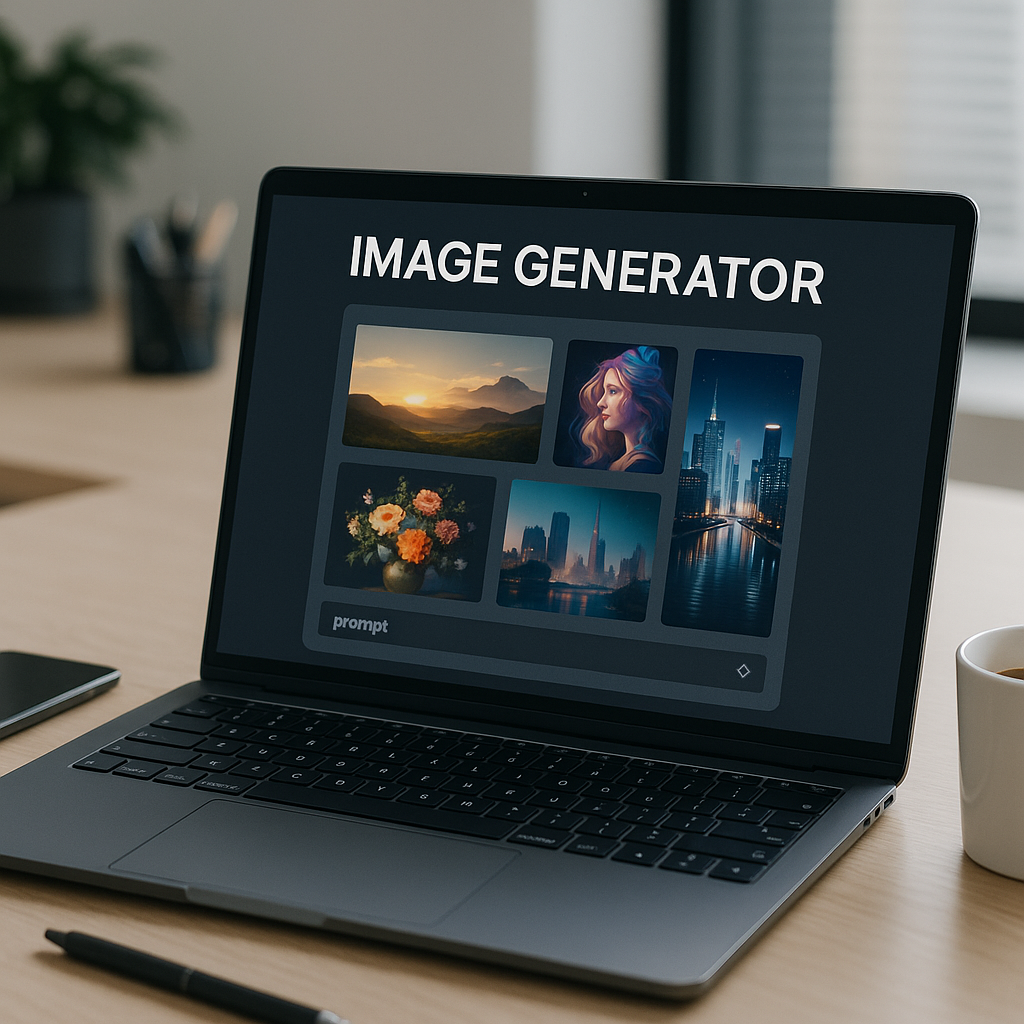
Image Generators
The rise of image generators has revolutionised the way we create and perceive visual content. These sophisticated tools, powered by artificial intelligence (AI), have made it possible to generate stunning images from simple textual descriptions. As technology continues to evolve, the implications for various industries, including art, marketing, and entertainment, are profound.
Image generators utilise deep learning algorithms, particularly a type known as Generative Adversarial Networks (GANs). These networks consist of two neural networks: a generator that creates images and a discriminator that evaluates them. The generator strives to produce images that are indistinguishable from real ones, while the discriminator aims to spot the fakes. Through this iterative process, the generator learns to refine its outputs, resulting in increasingly realistic images. This technology has gained traction over the last few years, with notable players like OpenAI’s DALL-E, Midjourney, and Stable Diffusion capturing the attention of both the public and professionals.
One of the most significant advantages of image generators is their ability to democratise art and creativity. With minimal technical skill required, anyone can generate high-quality images. This accessibility has opened the floodgates for creativity, allowing individuals and businesses to produce visuals that were once the realm of skilled artists or expensive stock photo services. For example, a small business owner can create unique marketing content tailored to their brand without hiring a professional designer or purchasing expensive images.
Moreover, these tools are not just limited to static images. They can generate animations, illustrations, and even complex scenes with multiple elements. This versatility makes them invaluable across various sectors. In the world of advertising, for instance, companies can quickly produce multiple concepts for campaigns or social media posts, enabling them to test different visuals without the associated costs of traditional methods.
However, the proliferation of image generators raises ethical concerns that cannot be overlooked. One prominent issue is copyright and ownership. If an image is generated from a user’s prompt, who owns the rights to that image? This question becomes even murkier when considering that many generators are trained on datasets that may include copyrighted material. As a result, artists and creators are voicing concerns about potential infringement and the devaluation of traditional art forms.
Another pressing issue is the potential for misuse. Image generators can create highly realistic images that may be used to spread misinformation or manipulate public opinion. The emergence of deepfakes—manipulated images or videos that appear authentic—highlights the dangers posed by this technology. As image generators become more sophisticated, the risk of producing misleading content grows, prompting calls for regulations and safeguards to ensure responsible use.
Despite these challenges, the positive applications of image generators are numerous. In the field of education, for instance, they can be used to create visual aids that enhance learning experiences. Teachers can generate illustrations that cater to specific topics, making complex ideas more accessible to students. In the realm of entertainment, filmmakers and game developers can use these tools to conceptualise characters, settings, and scenes before embarking on costly production processes.
The art world is also witnessing a transformation due to image generators. Some artists are embracing these tools as a collaborative medium, using them to inspire or augment their own creativity. For example, artists can create initial concepts with an image generator, then refine and adapt those ideas to produce unique pieces. This blending of human creativity and machine-generated art is fostering a new genre that challenges traditional notions of authorship and artistic integrity.
In recent months, we have seen a surge of initiatives aimed at integrating image generation technology into existing workflows. Major design software companies are incorporating AI capabilities, allowing users to generate images directly within their platforms. This integration not only streamlines the creative process but also encourages users to experiment and push the boundaries of their imagination.
As we look to the future, the potential for image generators to reshape industries is vast. The technology is still in its infancy, and as it matures, we can expect even more innovative applications. For example, healthcare professionals are beginning to explore the use of AI-generated images in diagnostics and treatment planning. By generating realistic representations of medical conditions, these tools could aid in educating patients or training medical staff.
Moreover, as image generation becomes increasingly sophisticated, we may see the emergence of personalised content creation. Imagine a future where individuals can input their preferences, and AI generates tailored visual content that perfectly suits their needs. This level of customisation could transform marketing strategies, allowing brands to deliver highly relevant and engaging visuals to their target audiences.
In conclusion, image generators are reshaping the landscape of visual content creation, offering both exciting opportunities and complex challenges. As these technologies continue to advance, it is crucial for stakeholders—be they artists, businesses, or policymakers—to navigate the ethical implications while harnessing the benefits. By fostering a culture of responsible innovation and addressing the concerns surrounding copyright and misuse, we can ensure that image generators contribute positively to society and the arts, enriching our visual experiences for years to come.
Recent Posts
Head-to-Head: Comparing Top AI Models in Работа с Нейросетями and Their Impact
червень 16, 2026
Debunking Myths: The Realities of Работа с Нейросетями and AI Models Today
червень 16, 2026
Unlocking Creativity: A Simple Guide to Using Image Generators for Beginners
червень 16, 2026
Maximum Potential
Отримайте повний досвід із планом Pro
ІНФОРМАЦІЯ