квітень 25, 2026
Unleashing Creativity: How Image Generators Are Transforming Digital Art in 2023
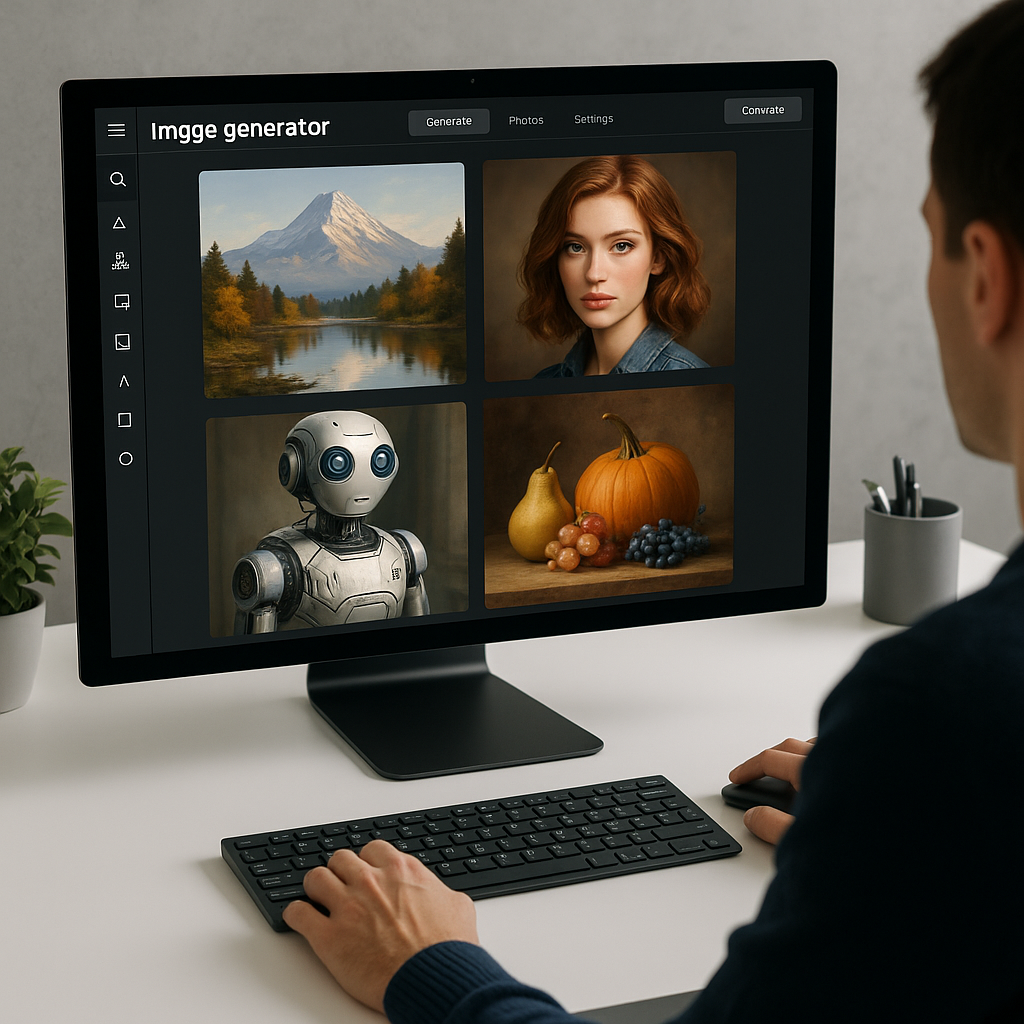
Image Generators
The rise of image generators has marked a significant turning point in the way we create and consume visual content. These innovative tools, powered by advanced artificial intelligence (AI) technologies, are transforming the landscape of digital art, marketing, and even personal expression. As we delve into this burgeoning field, it's essential to explore how image generators work, their applications, and the ethical implications surrounding their use.
At the core of image generation technology are deep learning algorithms, particularly Generative Adversarial Networks (GANs). GANs consist of two neural networks: a generator that creates images and a discriminator that evaluates them. This dual process allows the generator to improve its output iteratively, creating increasingly realistic images over time. The results can range from photorealistic portraits to fantastical landscapes, all generated from simple text prompts or random noise. This capability has opened up new avenues for artists, designers, and marketers, who can now produce high-quality visuals in a fraction of the time it would have traditionally taken.
One of the most notable applications of image generators is in the realm of digital art. Artists are using these tools to enhance their creative processes, generating ideas or even entire pieces that they can refine further. For instance, an artist might input a phrase like “a serene sunset over a futuristic city” and receive a unique image that serves as inspiration or a starting point for their work. This synergy between human creativity and machine efficiency is fostering a new collaborative environment where technology and artistry intersect.
In the marketing sector, image generators are proving to be invaluable assets. Brands can create tailored visual content for social media campaigns, advertisements, and websites with minimal resources. The ability to generate diverse images quickly allows marketers to test various concepts and strategies without the need for extensive photo shoots or graphic design resources. Furthermore, as consumer preferences shift, brands can adapt their visual content almost instantaneously, keeping their marketing efforts fresh and relevant.
However, the advent of image generators also raises important ethical considerations. As these technologies become more sophisticated, the potential for misuse increases. Issues such as copyright infringement, deepfakes, and the creation of misleading information have sparked debates within the industry and among consumers. For instance, a generated image that mimics the style of a renowned artist could infringe on that artist's copyright, leading to legal ramifications. Moreover, the ability to create hyper-realistic images of individuals without their consent poses significant privacy concerns.
Furthermore, the proliferation of realistic-looking fake images can contribute to the spread of misinformation, particularly in an era where trust in media is waning. As image generators become more accessible, the challenge will be to develop frameworks and guidelines that ensure ethical usage while promoting creativity and innovation. Industry leaders are calling for collaboration between tech companies, artists, and legal experts to establish clear regulations that protect individual rights and promote responsible use of these powerful tools.
Another aspect to consider is the impact of image generators on the job market. While these tools can enhance productivity and creativity, there is a growing concern that they may displace traditional artists and designers. The fear is not unfounded; as businesses opt for AI-generated images to cut costs, the demand for human creatives could diminish. However, many experts argue that rather than replacing jobs, image generators will lead to the evolution of creative roles. The future may see a greater emphasis on the ability to conceptualise and guide AI in the creative process, rather than solely on the execution of technical skills.
As image generators continue to evolve, the technology is also becoming more accessible to the general public. Platforms like DALL-E, Midjourney, and Stable Diffusion have gained immense popularity, allowing users to create images simply by typing in descriptive prompts. This democratization of art creation means that anyone, regardless of their artistic background, can generate unique images. While this opens doors for new talent and creativity, it also fuels concerns about the dilution of artistic skills and the proliferation of low-quality content.
Despite these challenges, the potential for image generators to inspire new forms of expression and creativity remains significant. For instance, educators are exploring the use of these tools in classrooms to teach students about visual storytelling, design principles, and the ethical considerations of using AI in creative work. By integrating image generators into educational curriculums, teachers can equip students with the skills needed to navigate and leverage these technologies responsibly.
Looking ahead, it is clear that image generators are here to stay, and their impact on society will only grow. As AI technology advances, we can expect even more sophisticated tools that blur the lines between human and machine-created art. The challenge will be to harness the benefits of these innovations while addressing the ethical, legal, and social implications they bring.
In conclusion, image generators represent both a remarkable opportunity and a complex challenge for the creative industries and society at large. As we embrace these technologies, it is crucial to engage in ongoing dialogue about their implications, ensuring that creativity remains at the forefront of innovation while protecting the rights and interests of individuals. The future of image generation is bright, but it demands a thoughtful approach to navigate the uncharted waters ahead.
Recent Posts
Head-to-Head: Comparing Top AI Models in Работа с Нейросетями and Their Impact
червень 16, 2026
Debunking Myths: The Realities of Работа с Нейросетями and AI Models Today
червень 16, 2026
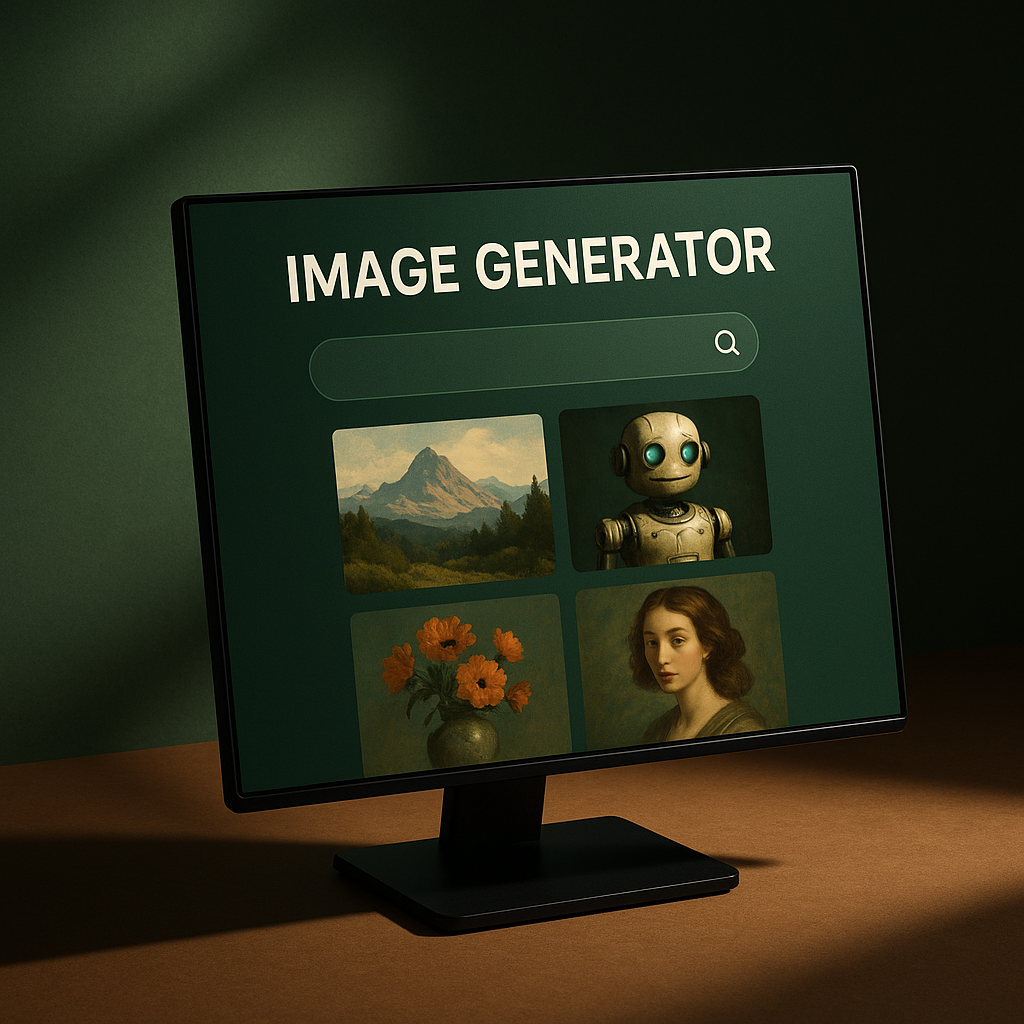
Unlocking Creativity: A Simple Guide to Using Image Generators for Beginners
червень 16, 2026
Maximum Potential
Отримайте повний досвід із планом Pro
ІНФОРМАЦІЯ