лютий 19, 2026
Unlock Your Creativity: Explore the Latest Trends in Image Generators Today!
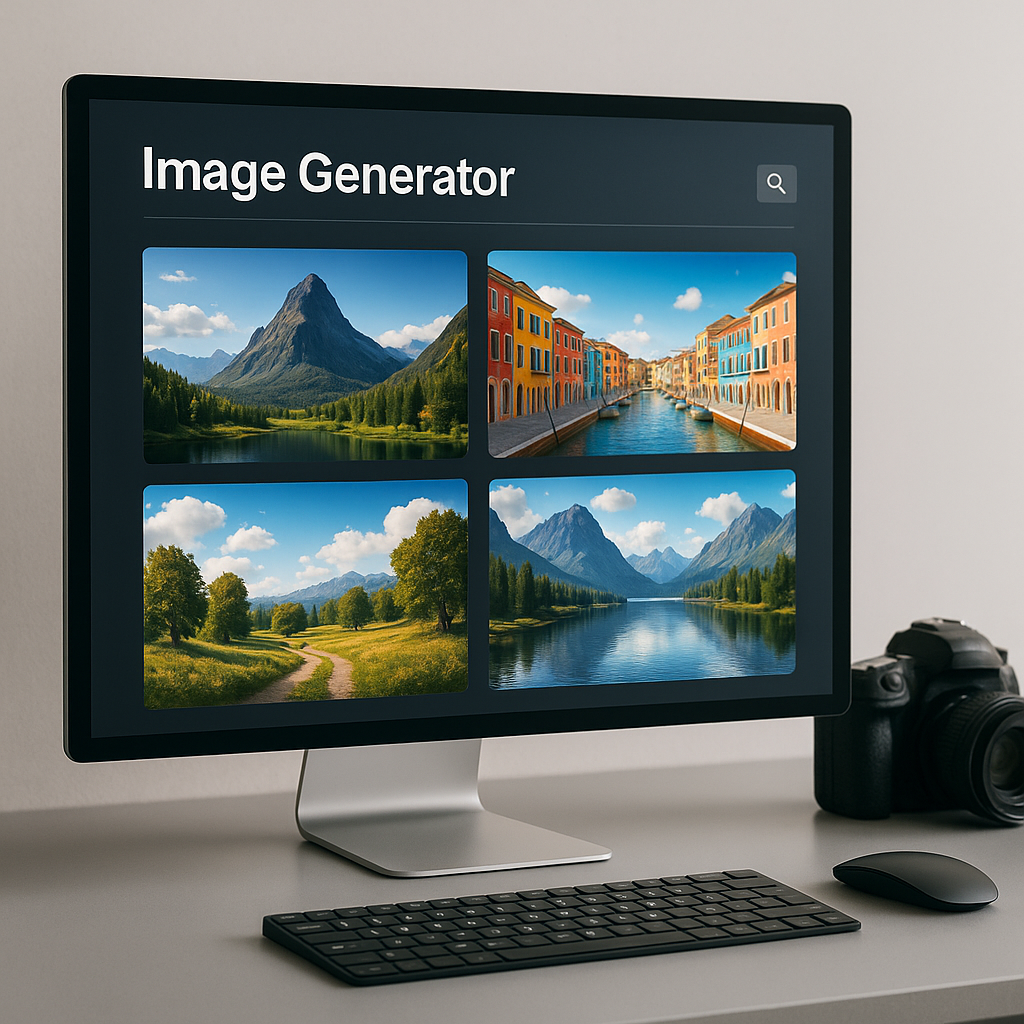
Image Generators
In recent years, image generators have surged into the limelight, transforming the landscape of digital art, design, and creative expression. With the advent of advanced artificial intelligence (AI) technologies, these tools have become increasingly sophisticated, empowering users to create stunning visuals at the click of a button. This technological evolution raises significant questions about creativity, authorship, and the future of artistic professions.
At the heart of this revolution are generative adversarial networks (GANs), a class of AI algorithms that can produce new images based on learned patterns from vast datasets. By training on millions of images, GANs can generate everything from photorealistic landscapes to abstract art, often indistinguishable from works created by human artists. This capability has captured the imagination of not only tech enthusiasts but also professional artists and designers seeking new ways to enhance their creative processes.
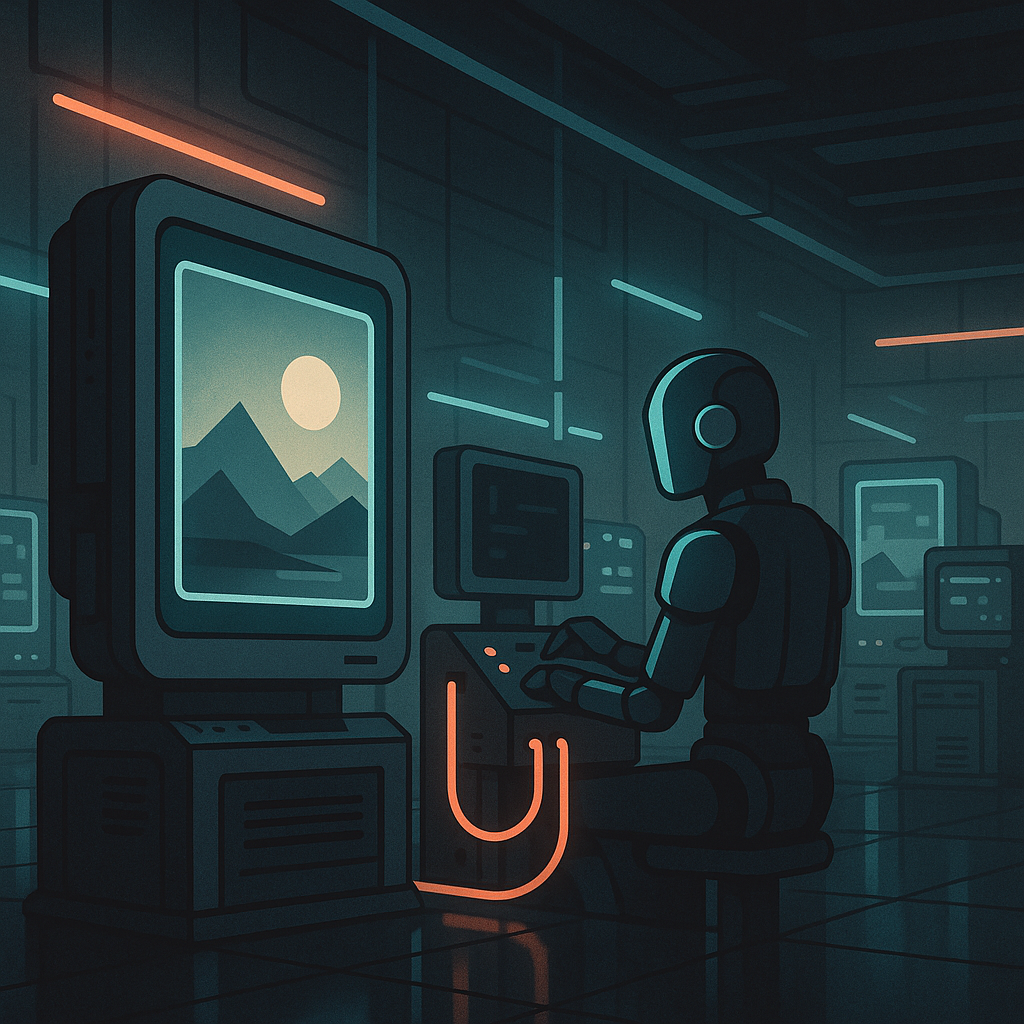
One of the most notable applications of image generators is in the realm of graphic design. Designers are increasingly turning to platforms like DALL-E, Midjourney, and Stable Diffusion, which allow users to input descriptive text prompts and receive corresponding images. This process, known as text-to-image generation, has streamlined the ideation phase of design projects, enabling professionals to rapidly prototype concepts and visual ideas. For instance, a designer tasked with creating a promotional poster can generate multiple iterations of an image, allowing for experimentation with colour schemes, styles, and compositions.
Moreover, image generators have democratized access to creative tools. Individuals without formal training in art or design can now produce high-quality visuals, allowing them to express their ideas and visions more effectively. This shift is particularly significant in social media, where users seek eye-catching content to engage their audiences. With an image generator, anyone can create unique graphics, illustrations, or even portraits, fostering a new wave of creativity that transcends traditional boundaries.
However, the rise of image generators is not without controversy. Questions surrounding copyright and ownership loom large as more individuals and businesses utilise AI-generated images. If a user inputs a specific prompt and receives a generated image, who owns the rights to that image? Current legal frameworks are struggling to keep pace with the rapid advancements in AI technology. In many jurisdictions, copyright laws do not adequately address the complexities introduced by AI, leading to a grey area that could have significant implications for artists and creators.
Furthermore, the ethical considerations of using AI in art cannot be overlooked. Critics argue that relying on image generators can dilute the value of human creativity. They contend that art is not merely about the final product but the process of creation, which involves emotional depth, interpretation, and personal experience. The fear is that as AI becomes more prevalent in creative fields, the unique human touch that characterises art may be lost. Nevertheless, proponents argue that these tools should be seen as collaborators rather than replacements, enhancing human creativity rather than supplanting it.
The potential for misuse also exists. Image generators can be weaponised to create misleading or harmful content, such as deepfakes or propaganda images. The ease with which one can generate realistic images raises concerns about misinformation and its potential consequences, particularly in an age where digital media plays a crucial role in shaping public opinion. As such, the responsibility lies with both developers and users to ensure that these technologies are employed ethically and responsibly.
In the commercial realm, businesses are beginning to harness the power of image generators for marketing and branding. Companies can quickly produce bespoke images for campaigns, reducing the time and costs associated with traditional photography and graphic design. E-commerce platforms are also leveraging AI-generated imagery to enhance customer experiences, creating virtual models or product displays that can be tailored to individual consumer preferences. This shift towards AI-driven visuals aligns with the growing demand for personalised content in today’s digital marketplace.
As image generators continue to evolve, the technology is likely to become more integrated into everyday creative workflows. Companies are investing heavily in research and development to refine these tools, making them more accessible and user-friendly. The future may see image generators equipped with advanced features, such as style transfer, allowing users to apply the aesthetics of famous artists to their creations, further blurring the lines between human artistry and machine-generated visuals.
Educational institutions are also beginning to incorporate image generation into their curricula, recognising the importance of AI literacy in the modern creative landscape. By teaching students how to effectively use these tools, educators are preparing the next generation of artists and designers to navigate a world where AI plays an integral role in the creative process.
Despite the challenges and controversies, the rise of image generators represents a pivotal moment in the evolution of art and creativity. As society grapples with the implications of these technologies, it is essential to foster an ongoing dialogue about the intersection of art, technology, and ethics. By embracing the potential of AI while remaining vigilant about its pitfalls, we can harness these tools to enhance human creativity and enrich our cultural landscape.
In conclusion, image generators are reshaping the way we think about art, creativity, and expression. They are not only revolutionising the practical aspects of design and marketing but also challenging our perceptions of authorship and originality. As we stand on the brink of this new digital frontier, it is crucial to engage with the complexities and opportunities presented by these innovative technologies, ensuring that they serve to enhance, rather than diminish, the profound human experience of creativity.
Recent Posts
Maximum Potential
Отримайте повний досвід із планом Pro
ІНФОРМАЦІЯ