лютий 23, 2026
Unlock Your Creativity: How Image Generators Are Revolutionising Digital Art
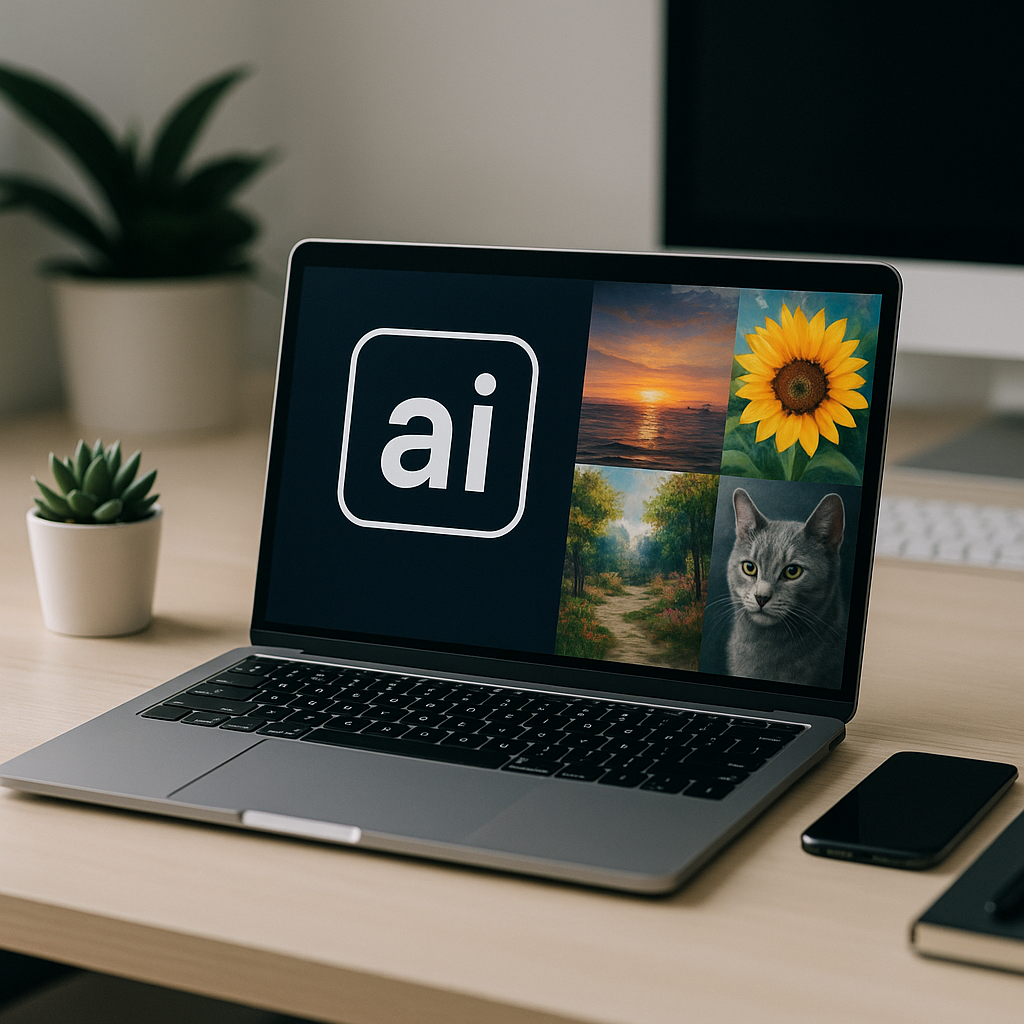
Image Generators
In recent years, the world of technology has witnessed a remarkable transformation with the rise of artificial intelligence (AI) and machine learning. Among the most intriguing developments in this field is the emergence of image generators, tools that harness the power of AI to create stunning visuals from mere text prompts. These generators have not only revolutionised the way artists and designers work but have also sparked debates about the implications of AI in creative industries.
Image generators, powered by deep learning algorithms, have gained significant traction since the introduction of models like OpenAI's DALL-E, Midjourney, and Stable Diffusion. These tools can produce high-quality images based on textual descriptions, allowing users to generate everything from realistic portraits to imaginative landscapes. The technology behind these generators primarily relies on a subset of machine learning called Generative Adversarial Networks (GANs), which consists of two neural networks that work in opposition to produce increasingly convincing outputs.
One of the most remarkable aspects of image generators is their ability to understand and interpret language. Users can input specific instructions or descriptions, and the AI interprets these cues to create a corresponding visual representation. For instance, a user might type "a serene sunset over a mountain range," and the generator will produce an image that encapsulates this scene, often with remarkable detail and creativity.
This capability opens a plethora of opportunities for various sectors. In the realm of advertising and marketing, companies can leverage image generators to create tailored visuals for campaigns without the need for extensive graphic design skills. This democratisation of creativity allows smaller businesses to compete on a more level playing field, enabling them to produce professional-quality imagery quickly and affordably.
The art world has also seen a significant impact from these technologies. Artists are increasingly using image generators as a source of inspiration or as a means to explore new styles. Some artists have embraced the technology, integrating AI-generated imagery into their works, while others remain sceptical, questioning the authenticity of art produced by machines. This debate raises critical questions about creativity, authorship, and the value of human touch in artistic expression.
However, the rise of image generators is not without controversy. Concerns regarding copyright and intellectual property rights have emerged, particularly around the datasets used to train these AI models. Many image generators are trained on vast collections of existing artworks, which raises ethical questions about the ownership of the generated images and the potential for infringement on the original creators' rights. As the technology continues to evolve, legal frameworks will need to adapt to address these complex issues.
Moreover, the potential for misuse of image generators is another area of concern. With the ability to create hyper-realistic images, there is a risk of generating misleading or harmful content. Deepfakes, for example, have already demonstrated how AI can be used to fabricate realistic images and videos, leading to misinformation and privacy violations. As image generators become more sophisticated, the potential for abuse could escalate, prompting calls for stricter regulations and ethical guidelines in the use of AI-generated content.
In response to these challenges, several initiatives are emerging to ensure responsible use of image generation technology. Companies developing these tools are increasingly implementing measures to watermark or label AI-generated images, helping to distinguish them from traditional artwork. Additionally, discussions about establishing ethical standards for AI-generated content are gaining momentum, with a focus on protecting artists' rights while encouraging innovation.
Despite the potential challenges, the future of image generators looks bright. As technology advances, we can expect even more refined and versatile tools that push the boundaries of creativity. The integration of image generation with other technologies, such as virtual and augmented reality, could lead to immersive experiences that transform how we engage with visual art and media.
Furthermore, educational institutions are beginning to incorporate AI tools into their curricula, preparing the next generation of artists and designers to navigate this evolving landscape. By teaching students how to leverage image generators, educators aim to equip them with the skills needed to thrive in an increasingly AI-driven world, where collaboration between human creativity and machine intelligence is becoming more commonplace.
As we stand on the cusp of this new era in visual creation, it is crucial to approach the development and deployment of image generators with a balanced perspective. While the technology offers unprecedented opportunities for creativity and innovation, it also demands careful consideration of the ethical and societal implications. The ongoing dialogue surrounding AI in the arts will undoubtedly shape the future of not just image generation, but the broader landscape of creative expression.
In conclusion, image generators represent a significant leap forward in the intersection of technology and creativity. As these tools continue to evolve, they will redefine the boundaries of art and design, challenging our perceptions of creativity and ownership. The journey ahead promises to be both exciting and complex, with the potential to unlock new realms of artistic expression while also necessitating responsible stewardship of the technology.
Recent Posts
Head-to-Head: Comparing Top AI Models in Работа с Нейросетями and Their Impact
червень 16, 2026
Debunking Myths: The Realities of Работа с Нейросетями and AI Models Today
червень 16, 2026
Unlocking Creativity: A Simple Guide to Using Image Generators for Beginners
червень 16, 2026
Maximum Potential
Отримайте повний досвід із планом Pro
ІНФОРМАЦІЯ