лютий 27, 2026
Unlock Your Creativity: How Image Generators Are Revolutionising Digital Art
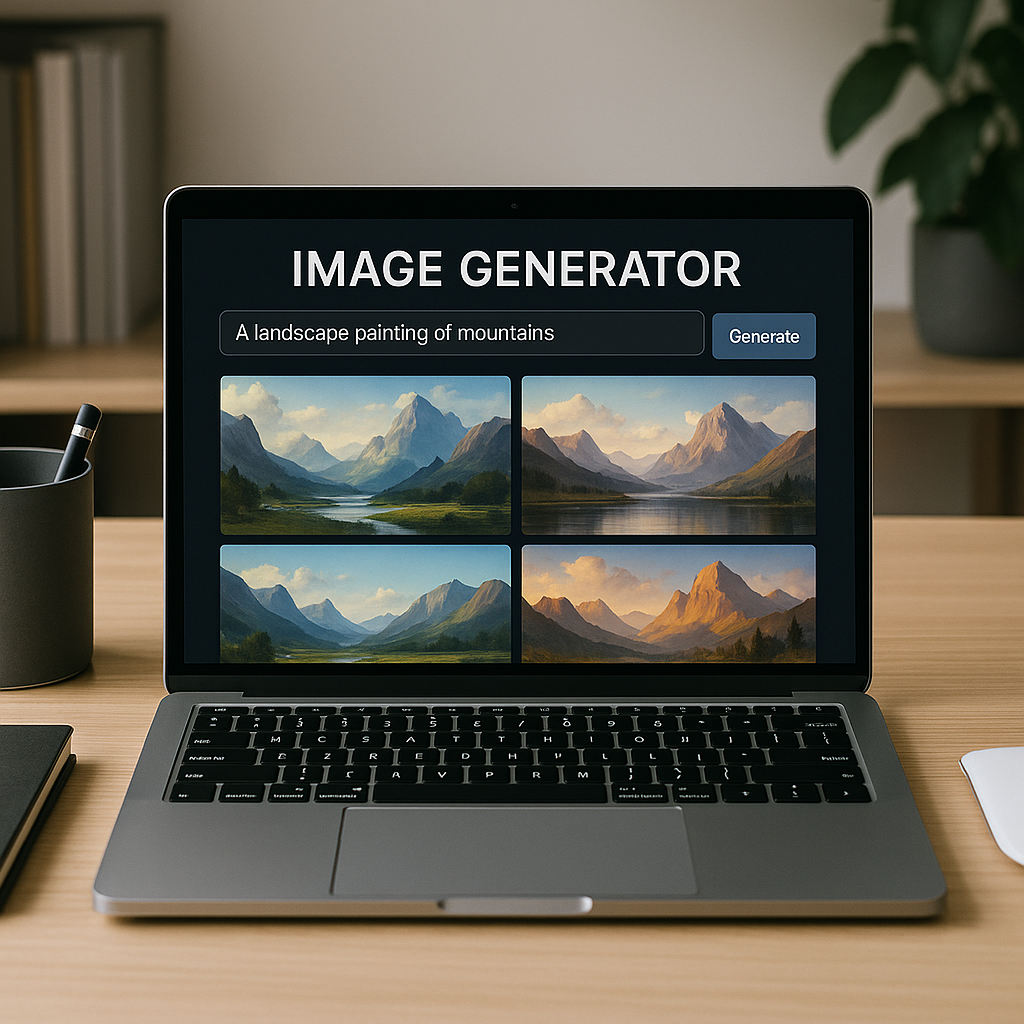
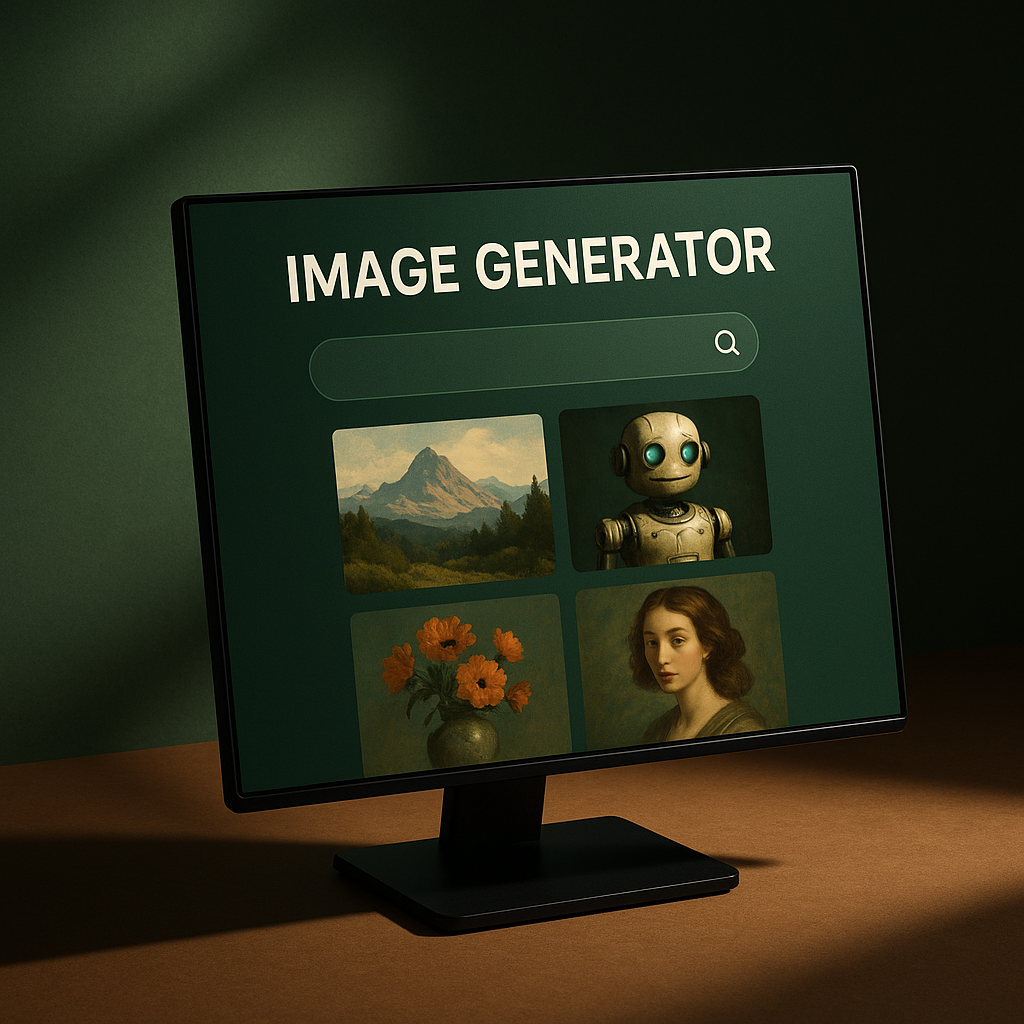
Image Generators
In recent years, image generators have emerged as one of the most fascinating advancements in artificial intelligence and machine learning, captivating both the tech community and the general public. These innovative tools utilise neural networks to create visual artwork, ranging from stunning landscapes to abstract designs, all based on user input or specific algorithms. As image generation technology continues to evolve, its implications for various industries, including art, entertainment, and marketing, are becoming increasingly significant.
At the heart of image generation technology are Generative Adversarial Networks (GANs), a pioneering development introduced by Ian Goodfellow and his collaborators in 2014. GANs consist of two neural networks: a generator that creates images and a discriminator that evaluates their authenticity. The generator aims to produce images that resemble real ones, while the discriminator assesses whether the images are genuine or fake. This adversarial process allows the generator to improve over time, resulting in remarkably realistic images.
Current popular image generators, such as DALL-E, Midjourney, and Stable Diffusion, have captured public interest for their ability to produce visually striking images from simple text prompts. For instance, a user might input a phrase like "a cat riding a bicycle through a futuristic city," and within seconds, the generator will produce multiple unique interpretations of that scene. This blend of creativity and technology has opened new avenues for artistic expression, allowing individuals with no formal artistic training to generate captivating visuals.
One of the key appeals of image generators is their accessibility. Platforms and applications are emerging that enable users to create images without needing extensive technical knowledge. This accessibility has democratized art creation, allowing a wider audience to engage with visual media. Artists, designers, and content creators are beginning to integrate these tools into their workflows, using them as aids to inspire new ideas or produce elements for larger projects.
Moreover, the impact of image generators extends beyond individual creativity. The marketing and advertising sectors are also harnessing this technology to create tailored visuals rapidly. Companies can generate images that align with their branding or specific campaigns without the need for costly photoshoots or hiring professional artists. This capability not only saves time and resources but also allows for a greater degree of experimentation and adaptation in marketing strategies. Brands can test multiple visual concepts in real-time, ensuring they resonate with their target audiences.
However, the rise of image generators is not without its challenges and ethical considerations. As these tools become more prevalent, concerns regarding copyright infringement and the potential for misuse have surfaced. The ease of creating realistic images raises questions about the ownership of generated content. If a neural network creates an image based on existing works, who holds the copyright? These questions are becoming increasingly relevant as more artists and businesses integrate AI-generated content into their portfolios.
Furthermore, the potential for generating misleading or harmful images poses another significant ethical dilemma. Deepfakes, for example, utilise similar technology to create hyper-realistic but fabricated videos and images that can spread misinformation. The ability to create realistic yet entirely fictitious content can undermine trust in visual media, making it essential for developers and users alike to approach image generators with a sense of responsibility.
In response to these challenges, some organisations and researchers are advocating for guidelines and regulations surrounding the use of AI-generated content. Discussions are emerging around the need for transparency in labelling images created by AI, allowing viewers to understand the nature of the content they are consuming. This could help distinguish between authentic photography and AI-generated visuals, fostering a more informed public.
Despite these challenges, the potential benefits of image generators are undeniable. In fields such as video game design, filmmakers are beginning to explore the use of AI-generated imagery to create expansive worlds and intricate details that would be time-prohibitive for human artists alone. The gaming industry, in particular, is embracing this technology to enhance player experience, allowing for dynamic environments that evolve based on user interactions.
Additionally, the art world is witnessing a transformation as traditional artists experiment with image generators as new mediums. Artists are blending their styles with AI capabilities, creating hybrid works that challenge conventional notions of authorship and creativity. Exhibitions showcasing AI-generated art are beginning to appear in galleries, sparking discussions about the future of art in an age dominated by technology.
Education is another area where image generators are making an impact. Schools and universities are incorporating AI tools into art and design curricula, preparing the next generation of creatives to navigate a world where technology and artistry intersect. By teaching students how to use these tools responsibly, educators aim to equip them with the skills necessary for a rapidly evolving creative landscape.
As we look to the future, the trajectory of image generators seems poised for further growth and innovation. Researchers are continuously improving the underlying algorithms, making them more efficient and capable of generating even more intricate and realistic images. The integration of image generators with other technologies, such as virtual and augmented reality, could give rise to entirely new experiences in storytelling and interactive art.
In conclusion, image generators represent a fascinating convergence of technology and creativity that is reshaping the landscape of visual media. While they present opportunities for innovation and accessibility, they also raise important ethical questions that must be addressed. As artists, marketers, and consumers navigate this new terrain, the dialogue surrounding the use and implications of AI-generated images will undoubtedly continue to evolve, shaping the future of creativity in the digital age.
Recent Posts
Head-to-Head: Comparing Top AI Models in Работа с Нейросетями and Their Impact
червень 16, 2026
Debunking Myths: The Realities of Работа с Нейросетями and AI Models Today
червень 16, 2026
Unlocking Creativity: A Simple Guide to Using Image Generators for Beginners
червень 16, 2026
Maximum Potential
Отримайте повний досвід із планом Pro
ІНФОРМАЦІЯ