лютий 1, 2026
Unlock Your Creativity: How Image Generators Are Revolutionising Digital Art
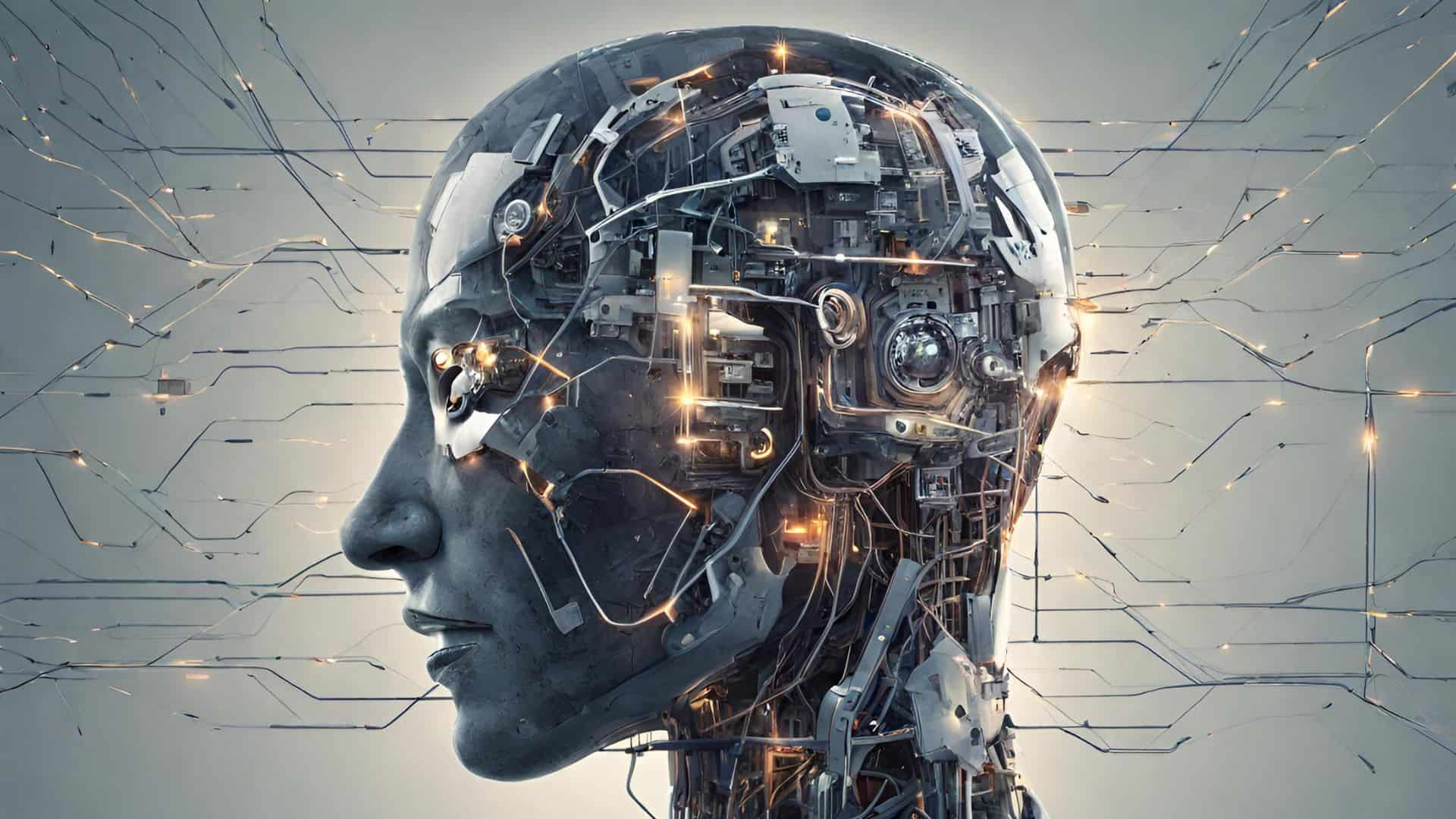
Image Generators
In recent years, the field of artificial intelligence has witnessed remarkable advancements, particularly in the domain of image generation. From creating lifelike portraits to entirely new artistic styles, image generators have become a pivotal part of both creative industries and everyday digital interactions. These tools harness the power of neural networks and deep learning algorithms to produce images that not only mimic reality but also challenge our understanding of creativity and artistry.
At the heart of this phenomenon lies a technology known as Generative Adversarial Networks (GANs). Introduced by Ian Goodfellow and his colleagues in 2014, GANs consist of two neural networks – a generator and a discriminator – that work in tandem. The generator creates images, while the discriminator evaluates them, providing feedback to improve the generator’s output. Over time, this process leads to the creation of images that are often indistinguishable from real photographs. This technology has given rise to several applications, including art generation, design prototyping, and even the film industry.
One of the most notable examples of image generation technology is OpenAI's DALL-E, which gained widespread attention for its ability to create imaginative and often surreal images based on textual descriptions. Users can input phrases such as "an armchair in the shape of an avocado," and DALL-E will produce a corresponding image that captures this whimsical concept. The implications of such technology extend far beyond mere novelty; they open up new avenues for creativity, allowing artists and designers to explore ideas that may not have been feasible through traditional means.
Another prominent player in this field is Midjourney, an AI-based tool that has gained traction among artists and designers for its ability to generate visually stunning images with minimal user input. Midjourney operates on a subscription model, allowing users to access its service via platforms like Discord. Artists can collaborate with the AI to generate artwork, providing prompts and refining the results in real time. This collaborative process not only enhances the creative experience but also democratizes art creation, enabling individuals without formal training to produce compelling images.
As these technologies continue to evolve, they also raise important ethical questions. The ability to generate hyper-realistic images poses challenges related to authenticity and copyright. For instance, if an AI can create an artwork that closely resembles the style of a renowned artist, who owns the rights to that image? This issue has sparked debates about intellectual property laws in the digital age, as existing frameworks struggle to keep pace with rapid technological advancements. Furthermore, there is concern regarding the potential misuse of such technologies, such as the creation of deepfakes, which can manipulate reality to deceive audiences.
In addition to ethical considerations, the rise of image generators has significant implications for the job market, particularly in creative fields. As AI becomes increasingly capable of producing high-quality visuals, questions arise about the future of traditional artists and designers. While some argue that these tools can serve as aids that enhance human creativity, others fear they may replace jobs that rely on artistic skills. The reality may lie somewhere in between; rather than replacing artists, AI could redefine their roles, allowing them to focus on higher-level creative tasks while utilising image generators for routine or experimental aspects of their work.
Moreover, the integration of image generators into various sectors is transforming how businesses operate. In marketing and advertising, companies can leverage these tools to create bespoke visuals tailored to specific campaigns without the need for extensive photoshoots or graphic design teams. This not only saves time and resources but also enables brands to engage with their audiences in innovative ways. For instance, fashion retailers can use AI to generate images of clothing items on models without the logistical challenges of traditional photography, allowing for rapid product visualisation and testing.
The educational sector is also beginning to embrace the potential of image generators. With the rise of remote learning, educators are exploring ways to incorporate AI-generated visuals into their teaching materials. This can enhance learning experiences by providing students with dynamic content that captures their interest. Furthermore, students studying art and design can use these tools to experiment and push the boundaries of their creativity, fostering an environment of exploration and innovation in the classroom.
Despite the many advantages, the technology behind image generators is not without its limitations. While AI can produce impressive results, it often lacks the nuanced understanding of context and emotion that human artists bring to their work. The subtleties of human expression, cultural significance, and personal experience can be challenging for AI to replicate, leading to images that may technically be flawless but lack depth and resonance. This highlights the importance of human oversight and creativity in the artistic process, ensuring that technology complements rather than replaces the unique qualities of human artistry.
As we look to the future, the landscape of image generation is likely to continue evolving at a rapid pace. Ongoing research is focused on improving the capabilities of these systems, including better understanding context, enhancing realism, and expanding their creative range. With advancements in computational power and algorithms, we may soon see even more sophisticated applications of AI in art, design, and beyond.
In conclusion, image generators represent a significant milestone in the intersection of art and technology. They offer exciting possibilities for creativity while simultaneously presenting complex challenges that society must navigate. As we embrace the potential of these tools, it is crucial to engage in thoughtful discussions about their ethical implications, the future of work in the creative industries, and the role of human creativity in an increasingly automated world. The journey of integrating AI into art and design is just beginning, and its impact is poised to shape the future of creative expression in profound ways.
Recent Posts
Head-to-Head: Comparing Top AI Models in Работа с Нейросетями and Their Impact
червень 16, 2026
Debunking Myths: The Realities of Работа с Нейросетями and AI Models Today
червень 16, 2026
Unlocking Creativity: A Simple Guide to Using Image Generators for Beginners
червень 16, 2026
Maximum Potential
Отримайте повний досвід із планом Pro
ІНФОРМАЦІЯ