квітень 30, 2026
Unlock Your Creativity: How Image Generators Are Transforming Digital Art
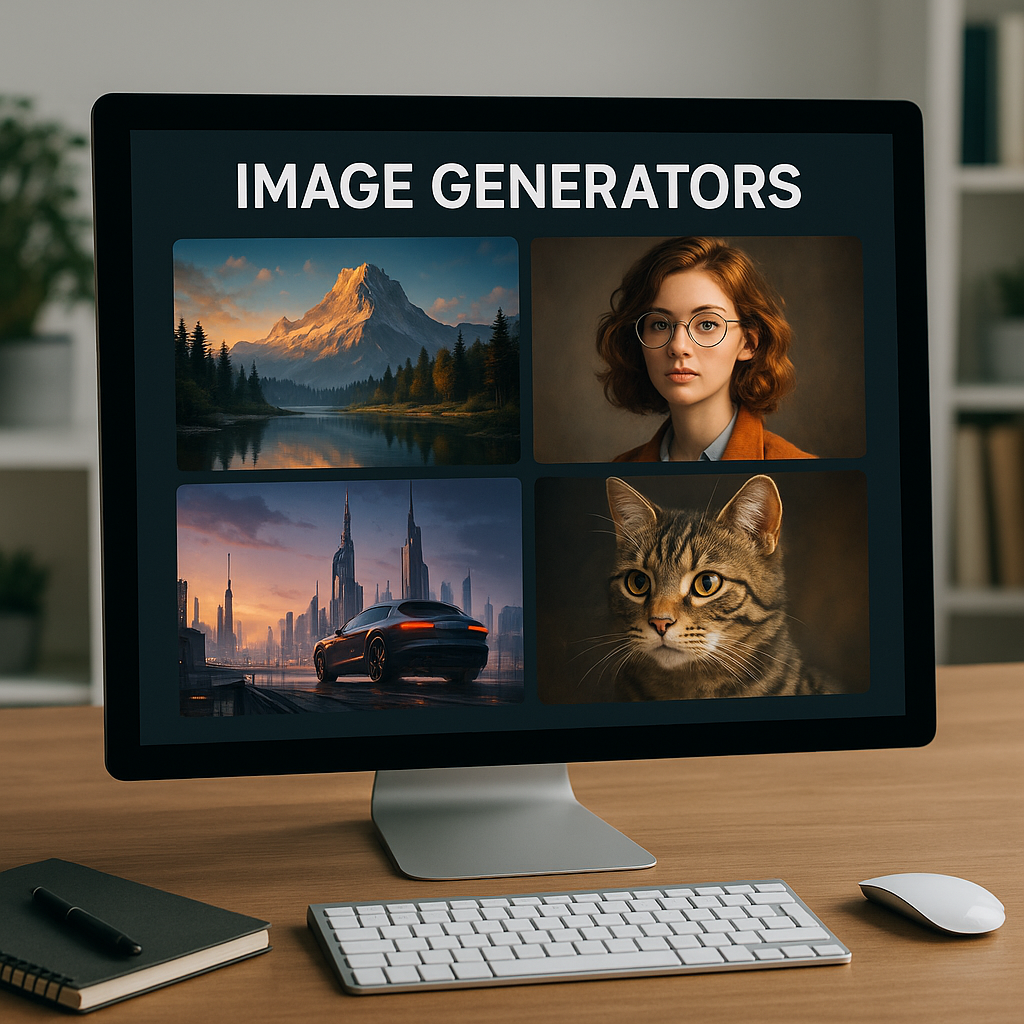
Image Generators
The landscape of digital art and creativity has undergone a remarkable transformation with the rise of image generators, sophisticated artificial intelligence tools that create visual content from text prompts. These tools have rapidly gained popularity among artists, marketers, and content creators, reshaping the way we think about and produce images. As these technologies advance, they raise important questions about originality, copyright, and the future of creative industries.
Image generators, powered by deep learning algorithms, analyse vast datasets of images and their descriptions to understand relationships between visual elements and textual cues. When a user inputs a descriptive phrase, the AI interprets the text and generates an image that reflects the provided concepts. Notable examples include DALL-E, Midjourney, and Stable Diffusion, each offering unique features and capabilities that cater to different creative needs.
One of the most significant advantages of these image generators is their ability to streamline the creative process. Artists, who traditionally spent hours or even days crafting visuals, can now produce high-quality images in mere seconds. This efficiency allows for a more experimental approach to creativity, enabling artists to explore numerous concepts without the constraints of time or resources. For marketers and businesses, this is a game-changer, as they can quickly generate tailored visuals for advertising campaigns, social media, and branding without relying on external graphic designers.
Moreover, the accessibility of image generators democratizes art production. Anyone with internet access can create compelling visuals, regardless of their artistic skills. This has led to a surge of creativity, with amateur artists and enthusiasts contributing to a vibrant online community. Social media platforms are now flooded with AI-generated art, sparking discussions about the nature of creativity and the role of technology in artistic expression.
However, the rise of image generators is not without its controversies. One of the most pressing issues is the question of copyright and ownership. Since these AI models are trained on existing images, the potential for generating artwork that closely resembles or imitates the style of established artists is significant. This has led to concerns about plagiarism and the ethical implications of using AI-generated content. Creators and legal experts are grappling with how to define ownership of AI-generated works and how to protect the rights of original artists.
Additionally, there are ethical considerations surrounding the use of image generators in various contexts. For instance, generating images that depict sensitive or controversial subjects can lead to the dissemination of misleading or harmful content. As such, the responsibility lies not only with the developers of these technologies but also with users who must navigate the fine line between creativity and ethical use.
Despite these challenges, the technology behind image generators continues to evolve. Researchers are constantly working to improve the accuracy and sophistication of these systems, addressing issues like bias in training datasets and enhancing the quality of generated images. Innovations such as conditional image generation, where users provide more detailed prompts to guide the AI, are becoming increasingly common, allowing for more nuanced and tailored outputs.
In educational settings, image generators are being integrated into art and design curricula, providing students with new tools to explore their creativity. By allowing students to experiment with AI-generated images, educators can encourage discussions about the implications of technology on traditional art forms, fostering a new generation of artists who are well-versed in both conventional techniques and modern tools.
The commercial potential of image generators is also being recognised across various industries. Fashion brands, for instance, are experimenting with AI to design clothing patterns and marketing materials, streamlining the production process while allowing for greater creativity. The gaming industry is leveraging these tools to create expansive landscapes and characters, enhancing the immersive experience for players. As the technology continues to mature, we can expect to see even broader applications that could revolutionise sectors beyond art and design.
As we look toward the future, the integration of image generators into daily life is likely to become more pronounced. With the advent of mobile applications and user-friendly interfaces, creating high-quality visuals will become as commonplace as typing a message. This shift could lead to a new era of visual communication, where images generated by AI become a standard form of expression in digital conversations.
Ultimately, the rise of image generators presents both exciting opportunities and significant challenges. As society grapples with the implications of AI in creativity, it is essential to foster a dialogue that encompasses artists, technologists, and ethicists to ensure that the evolution of this technology aligns with our values and principles. The conversation must address not only the capabilities of AI but also the responsibilities that come with its use.
In conclusion, image generators are revolutionising the creative landscape, offering unprecedented opportunities for artistic expression and efficiency. However, as with any transformative technology, their rise brings forth important ethical and legal considerations that must be navigated thoughtfully. As we embrace this new frontier of creativity, it is crucial to strike a balance between innovation and responsibility, ensuring that the art of the future is not only groundbreaking but also respectful of the artists who have paved the way.
Recent Posts
Transform Your Creativity: The Rise of Image Generators in Digital Artistry
січень 28, 2026
Unlocking Creativity: How Image Generators are Revolutionising Digital Art in 20...
січень 27, 2026
Unleashing Creativity: How Image Generators Are Transforming Digital Art in 2023
січень 29, 2026
Maximum Potential
Отримайте повний досвід із планом Pro
ІНФОРМАЦІЯ