квітень 1, 2026
Unlock Your Creativity: How Image Generators Are Transforming Digital Art in 2023
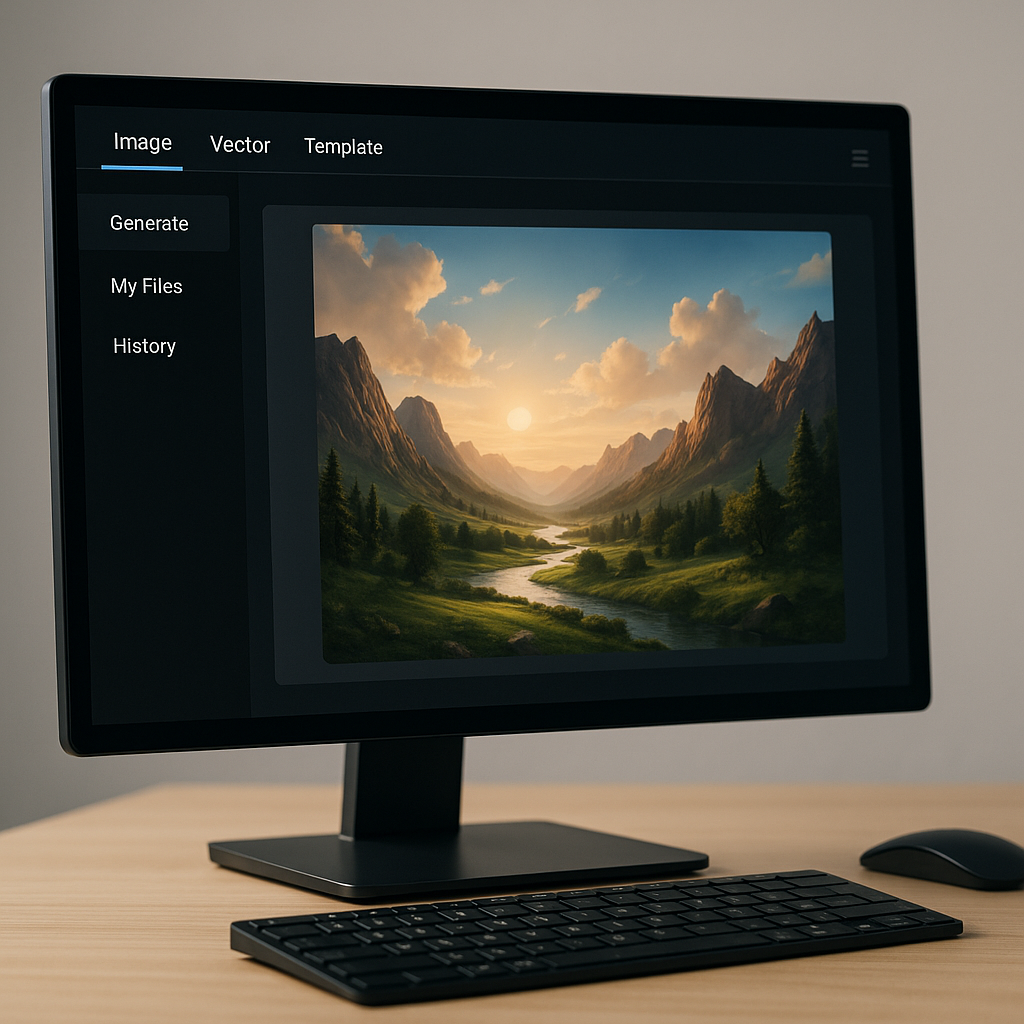
Image Generators
In recent years, the advancement of artificial intelligence has opened up a world of possibilities, particularly in the realm of image generation. These AI-driven tools, often referred to as image generators, have gained significant traction across various sectors, from art and design to marketing and education. With the ability to create stunning visuals based on simple textual prompts, image generators are revolutionising the way we think about creativity and content production.
At the heart of these innovative tools lies a technology known as Generative Adversarial Networks (GANs). Developed by Ian Goodfellow and his team in 2014, GANs consist of two neural networks: the generator and the discriminator. The generator creates new images, while the discriminator evaluates them against a dataset of real images. This process continues iteratively, with the generator improving its output based on feedback from the discriminator until the generated images are indistinguishable from real ones. This dual-network approach has significantly enhanced the quality and realism of AI-generated images.
One of the most notable image generators to emerge in recent years is OpenAI's DALL-E, which gained widespread attention for its ability to create detailed images from textual descriptions. Users can input phrases like “an astronaut riding a horse in a futuristic city,” and DALL-E will generate a unique image that embodies that concept. This blend of natural language processing and visual creativity has sparked a surge of interest in AI art, prompting discussions about the implications for artists and the creative industry.
Moreover, platforms such as Midjourney and Stable Diffusion have also entered the fray, offering users the ability to generate high-quality images with a few keystrokes. Midjourney, for example, is particularly popular among graphic designers and digital artists for its stylistic capabilities, allowing users to create images that reflect specific artistic movements or genres. Stable Diffusion, on the other hand, is notable for its open-source nature, enabling developers and artists to tweak and modify the algorithm for their specific needs.
The implications of these image generators extend far beyond personal use. In the advertising and marketing sectors, businesses are leveraging these tools to produce eye-catching visuals for campaigns without the need for lengthy photo shoots or expensive graphic design services. This not only cuts down on costs but also accelerates the production timeline, allowing companies to respond quickly to market trends and customer demands.
In the realm of education, image generators are being used as teaching aids. Educators can create custom illustrations and visual materials that cater to the specific interests and needs of their students. This personalised approach can enhance engagement and retention, making learning more interactive and enjoyable. Furthermore, art educators are incorporating image generators into their curricula, encouraging students to explore the intersection of technology and creativity.
Despite the numerous benefits these tools offer, they also raise significant ethical questions. The ease with which images can be generated has sparked debates about copyright infringement and the potential for misuse. For instance, artists and photographers worry that their work may be replicated or mimicked without their consent, leading to concerns about intellectual property rights. Additionally, the ability to create hyper-realistic images raises the spectre of deepfakes and misinformation, prompting discussions about the need for regulations and guidelines in the AI space.
Moreover, the question of originality looms large. As machines increasingly take on creative tasks, what does it mean for human artists and creators? Some argue that AI-generated art lacks the emotional depth and personal touch that comes from human experience. Others contend that these tools can be seen as collaborative partners, augmenting human creativity rather than replacing it. This discourse is crucial as society navigates the evolving landscape of creativity in the digital age.
The accessibility of image generators is another factor worth considering. While some platforms offer free access, others require subscriptions or payment for high-quality outputs. This disparity raises questions about who can benefit from these technologies and whether they will widen the gap between those with resources and those without. As the technology continues to develop, it will be essential to ensure that it remains inclusive and accessible to all, fostering a diverse range of voices and perspectives in the creative space.
As we look to the future, the potential applications of image generators appear limitless. From virtual reality environments to personalised merchandise, the ways in which we can utilise AI-generated imagery are only beginning to be explored. Furthermore, advancements in algorithms and computational power will likely lead to even more sophisticated image generators capable of creating not just static images but dynamic and interactive visual content.
In conclusion, image generators represent a fascinating convergence of art and technology, challenging our perceptions of creativity and authorship. As we embrace the possibilities offered by these AI tools, it is crucial to engage in thoughtful discussions regarding their ethical implications and the impact on the creative industries. By doing so, we can harness the power of artificial intelligence to enhance human creativity while ensuring that the rights and contributions of artists are respected and preserved. The journey of image generation is just beginning, and it promises to reshape the landscape of visual communication for years to come.
Recent Posts
Transform Your Creativity: The Rise of Image Generators in Digital Artistry
січень 28, 2026
Unlocking Creativity: How Image Generators are Revolutionising Digital Art in 20...
січень 27, 2026
Unleashing Creativity: How Image Generators Are Transforming Digital Art in 2023
січень 29, 2026
Maximum Potential
Отримайте повний досвід із планом Pro
ІНФОРМАЦІЯ