січень 31, 2026
Unlock Your Creativity: How Image Generators are Transforming Digital Art
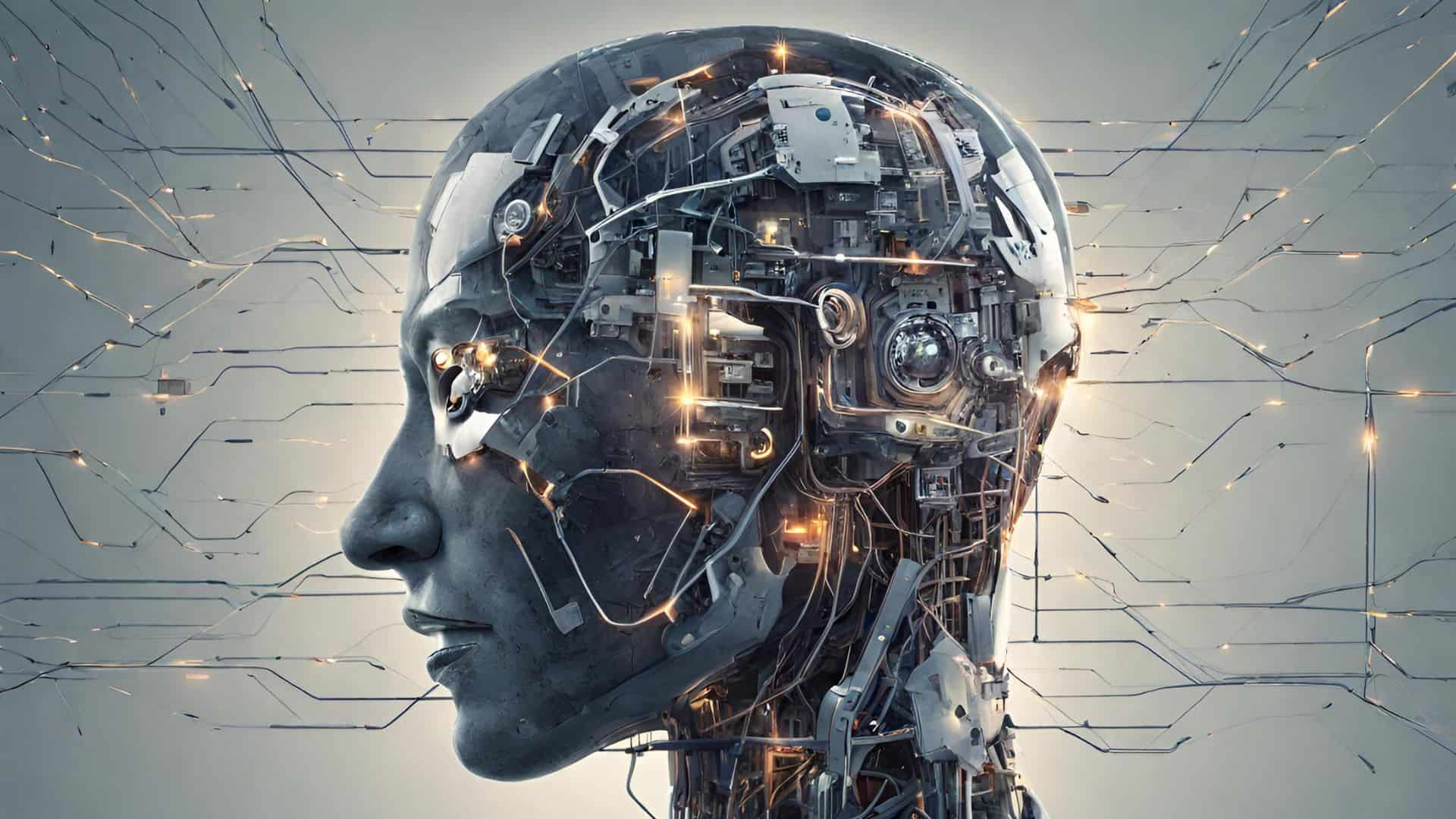
Image Generators
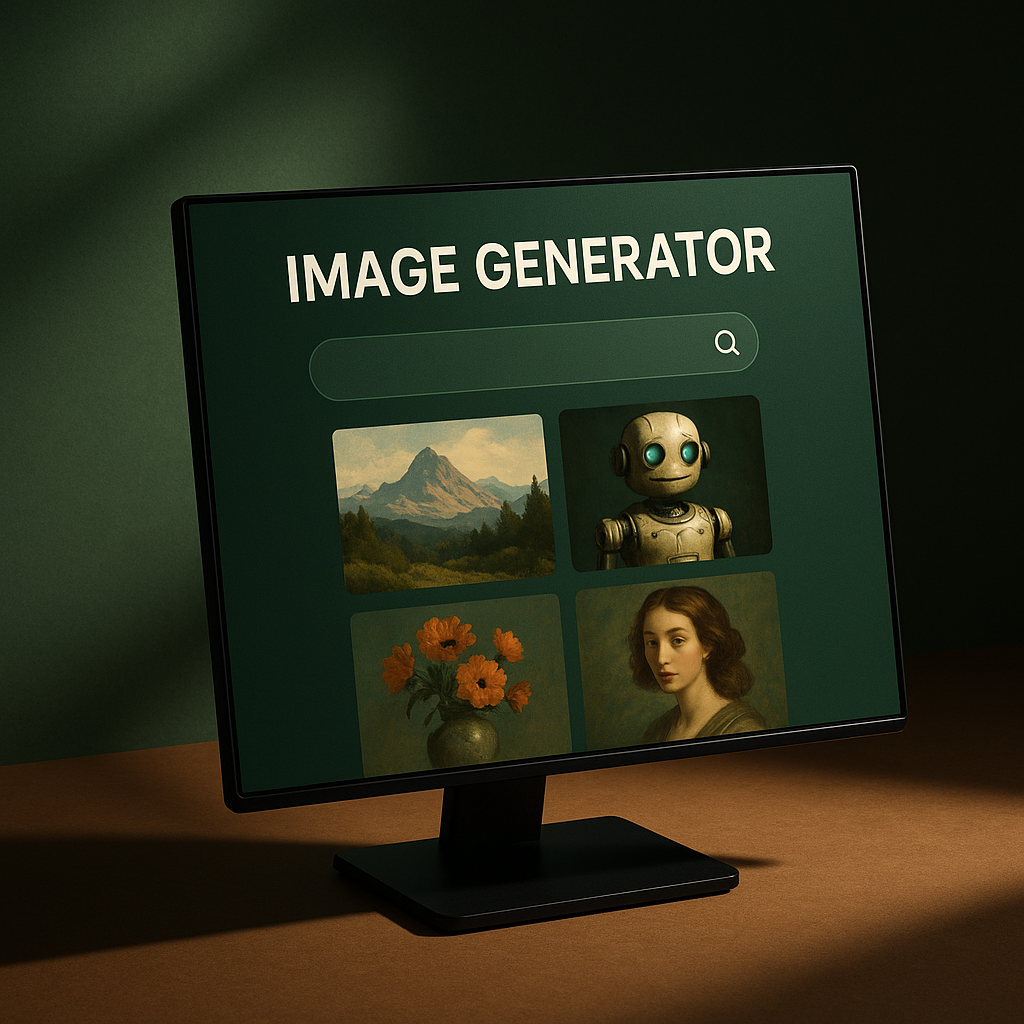
The rise of image generators has transformed the landscape of visual content creation, bringing both excitement and concern to various industries. These AI-driven tools are capable of producing high-quality images from textual descriptions, enabling users to generate stunning visuals with unprecedented ease. As more businesses and individuals harness this technology, it raises questions about creativity, copyright, and the future of artistic professions.
At the forefront of this revolution are several prominent image generation models, including OpenAI's DALL-E, Stability AI's Stable Diffusion, and Midjourney. Each of these platforms employs advanced machine learning techniques to analyse vast datasets of images and text, allowing them to create new visuals that are often indistinguishable from those made by human artists. Users can input a simple phrase, and within moments, the AI produces an array of unique images based on that prompt. This capability not only streamlines the creative process but also democratizes access to high-quality visual content.
One of the most compelling aspects of image generators is their versatility. Artists, marketers, and content creators are increasingly utilising these tools to brainstorm ideas, create prototypes, or even produce final products. For instance, a graphic designer might use an image generator to explore different styles or concepts before committing to a specific direction. Similarly, businesses can quickly generate marketing materials tailored to their target audience, reducing both time and costs associated with traditional content creation methods.
However, the rapid adoption of image generators has sparked a debate about the implications of AI-generated art. Critics argue that these tools undermine the value of human creativity and artistry, as they can produce visuals without the emotional depth or personal touch that human artists bring to their work. Furthermore, there are concerns about the potential for job displacement in creative fields, as businesses may opt for AI-generated content over hiring skilled professionals.
Another significant issue is the question of copyright. As image generators create original works based on learned patterns from existing images, it raises legal and ethical dilemmas. Who owns the rights to an image created by AI? If an artist uses an image generator to create a piece, can they claim ownership, or does the AI model retain some rights due to its foundational data? These questions have yet to be fully resolved, leading to a complex landscape for artists and companies alike.
In response to these concerns, some image generator platforms have begun implementing safeguards and guidelines. Many are actively working to ensure that their models are trained on datasets that respect copyright laws and are free from offensive or inappropriate content. Additionally, some companies are exploring ways to provide transparency about the sources of their training data, aiming to address concerns from the artistic community.
Despite the challenges, many artists are embracing image generators as tools to enhance their creative processes rather than replace them. By integrating AI into their workflows, they can focus on the more nuanced aspects of creativity, such as concept development and storytelling. For example, a photographer might use an image generator to create a composite image that incorporates elements from multiple sources, allowing for a richer final product. This synergy between humans and machines could lead to exciting new forms of art that blend traditional techniques with innovative technology.
As the technology continues to evolve, the applications for image generators are expanding beyond traditional art and design. In fields such as gaming, film, and advertising, these tools are being used to create assets, conceptual artwork, and even entire environments. The gaming industry, in particular, has begun to leverage AI-generated visuals to streamline the development process and reduce costs, enabling smaller studios to compete with larger players.
Moreover, educational institutions are starting to incorporate image generators into their curricula, teaching students how to harness this technology responsibly. This approach not only prepares the next generation of artists and designers for a future where AI plays a significant role but also encourages critical thinking about the ethical implications of using such tools.
As image generators become increasingly sophisticated, the line between human-created and AI-generated art will likely blur further. This evolution could lead to entirely new art forms that challenge our perceptions of creativity and authorship. The future may see collaborations between human artists and AI, where both contribute to the creative process in unique ways, resulting in artworks that neither could produce alone.
In conclusion, image generators represent a significant advancement in the world of visual content creation, offering both opportunities and challenges. While they have the potential to enhance creativity and streamline workflows, they also raise important questions about the nature of art, ownership, and the role of human creativity in an increasingly digital world. As we navigate this new landscape, it is crucial to strike a balance that respects both technological innovation and the value of human artistry, ensuring that the future of creative expression remains vibrant and diverse.
Recent Posts
Head-to-Head: Comparing Top AI Models in Работа с Нейросетями and Their Impact
червень 16, 2026
Debunking Myths: The Realities of Работа с Нейросетями and AI Models Today
червень 16, 2026
Unlocking Creativity: A Simple Guide to Using Image Generators for Beginners
червень 16, 2026
Maximum Potential
Отримайте повний досвід із планом Pro
ІНФОРМАЦІЯ