лютий 7, 2026
Unlock Your Creativity: How Image Generators Are Transforming Visual Art in 2023
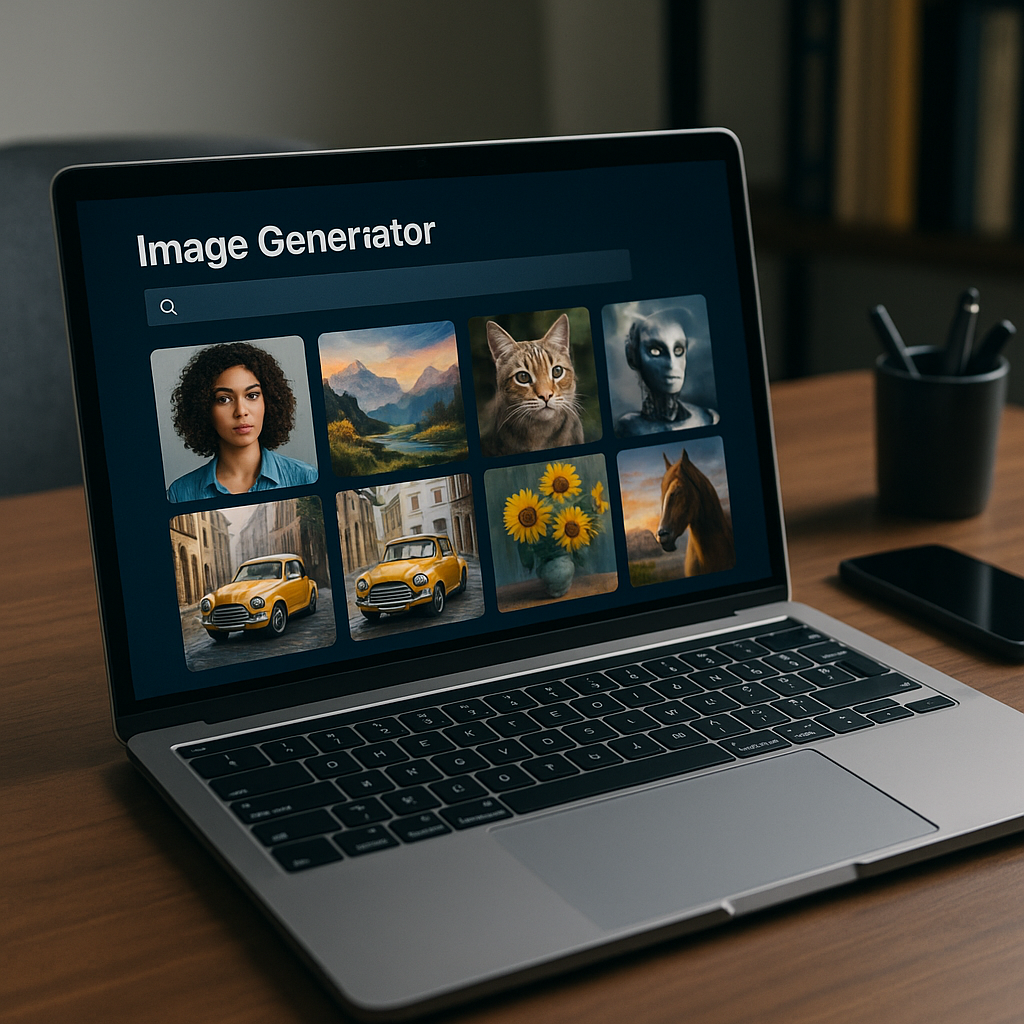
Image Generators
In recent years, image generators have revolutionised the way we create and interact with visual content. These powerful tools harness the capabilities of artificial intelligence (AI) to produce images that can range from hyper-realistic portraits to whimsical landscapes, often based solely on textual descriptions. As the technology continues to evolve, its implications for various industries, including art, marketing, and entertainment, are profound.
At the heart of these image generators lies a technology called generative adversarial networks (GANs). GANs consist of two neural networks: a generator that creates images and a discriminator that evaluates them. The generator's goal is to produce images that are indistinguishable from real ones, while the discriminator aims to identify which images are artificially created. This dynamic interplay pushes both networks to improve, resulting in ever more convincing images. Major platforms such as OpenAI’s DALL-E, Midjourney, and Stability AI’s Stable Diffusion have emerged as frontrunners in this field, each boasting unique features and capabilities.
One of the most notable advancements in image generation is the ability to create images from text prompts. Users can input a description, and the AI generates a corresponding visual representation. For instance, a user can type “a serene lake at sunset with mountains in the background,” and the generator will produce an image that captures that essence. This capability has opened new avenues for artists and designers, allowing them to brainstorm and explore creative ideas more efficiently than ever before.
The impact of image generators extends beyond the realm of creativity. In marketing, for example, businesses utilise these tools to create eye-catching visuals for campaigns without the need for extensive photoshoots or graphic design resources. This not only saves time and money but also allows for rapid iterations based on customer feedback. As competition in the digital marketplace grows, the ability to produce unique and engaging visuals could be a game-changer for many companies.
However, the rise of image generators has not come without its controversies. Concerns surrounding copyright and ethical use of AI-generated images are at the forefront of discussions in creative communities. Many artists worry that these tools could undermine their work, as potential clients might opt for cheaper AI-generated alternatives over hiring human talent. The question of ownership also arises: if an AI creates an image based on a user’s prompt, who holds the rights to that image? These unresolved issues pose significant challenges for regulatory bodies and the creative industry alike.
Moreover, the potential for misuse of image generators is a pressing concern. The ability to create hyper-realistic images can lead to the proliferation of deepfakes, where manipulated visuals are used to deceive or mislead the public. This has significant implications for journalism, politics, and social media, where misinformation can spread rapidly. As technology advances, the need for ethical guidelines and robust verification processes becomes more critical than ever to preserve trust in visual media.
In response to these challenges, many companies and organisations are beginning to implement measures aimed at ensuring responsible use of image generation technologies. For instance, OpenAI has introduced watermarking techniques that help identify AI-generated content, allowing viewers to discern between real and artificial images. Additionally, discussions about creating comprehensive ethical frameworks are becoming more prevalent, as stakeholders from various sectors recognise the importance of collaborative efforts in addressing these pressing concerns.
Despite the challenges, the future of image generators looks promising. With ongoing advancements in AI and machine learning, the potential applications of these tools continue to expand. In the field of education, for example, educators are exploring the use of image generators to create custom illustrations for teaching materials, enhancing the learning experience for students. In the realm of gaming, developers are leveraging AI-generated assets to build immersive worlds and characters, reducing the time and resources needed for content creation.
As image generators become more accessible, a new wave of creators is emerging. Individuals without formal training in art or design can now experiment with these tools to express their ideas visually. This democratization of creativity has the potential to foster a more inclusive artistic landscape, where diverse voices and perspectives can be represented. The ability to collaborate with AI can lead to unexpected and innovative outcomes, pushing the boundaries of traditional creativity.
In conclusion, image generators represent a significant technological advancement that is reshaping various industries and creative practices. While they offer remarkable opportunities for innovation and efficiency, they also pose ethical dilemmas and challenges that must be navigated carefully. As society continues to grapple with these issues, the dialogue surrounding the responsible use of AI-generated content will undoubtedly shape the future of art, marketing, and media. As we stand on the cusp of this new era, it is crucial for creators, businesses, and policymakers to work together to harness the potential of image generators while safeguarding the integrity of creative expression.
Recent Posts
Head-to-Head: Comparing Top AI Models in Работа с Нейросетями and Their Impact
червень 16, 2026
Debunking Myths: The Realities of Работа с Нейросетями and AI Models Today
червень 16, 2026
Unlocking Creativity: A Simple Guide to Using Image Generators for Beginners
червень 16, 2026
Maximum Potential
Отримайте повний досвід із планом Pro
ІНФОРМАЦІЯ