лютий 22, 2026
Unlock Your Creativity: The Rise of Image Generators in Digital Artistry
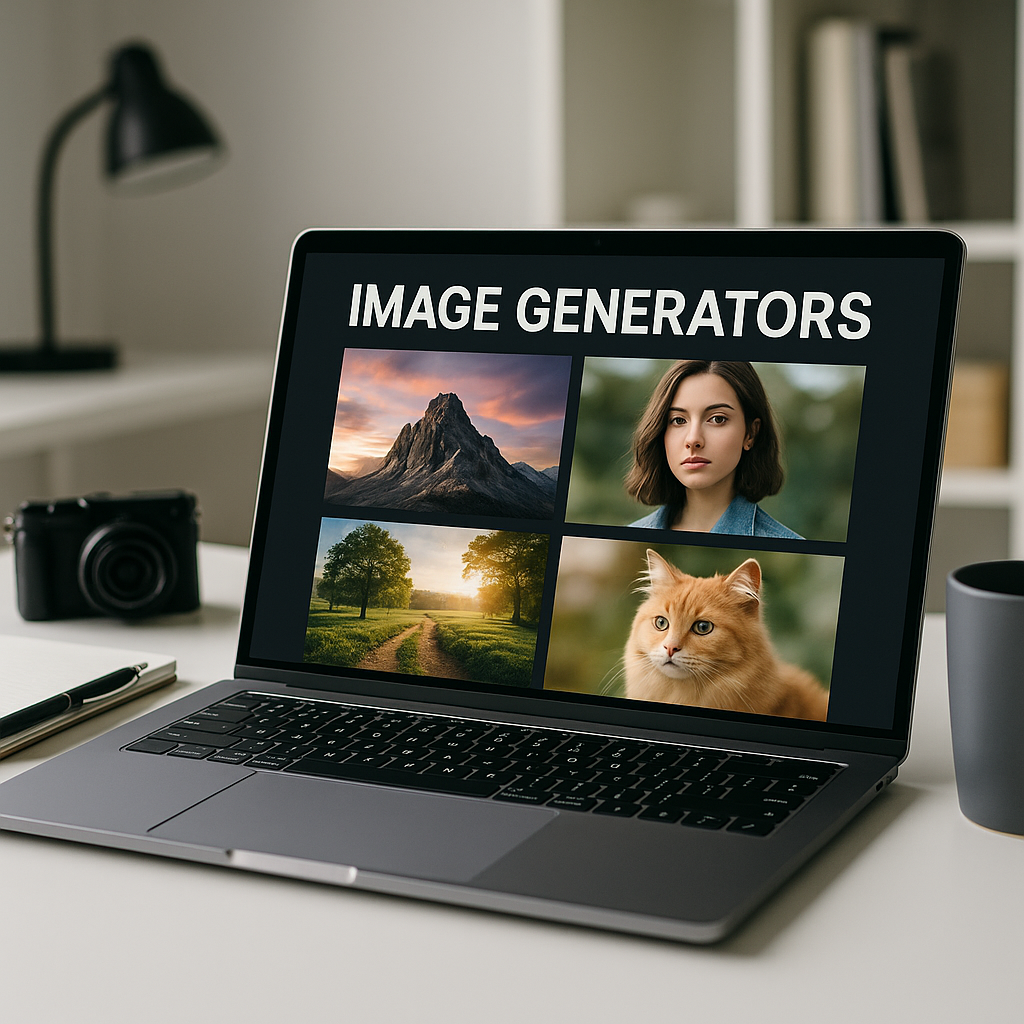
Image Generators
The digital landscape has undergone a remarkable transformation over the past few years, particularly with the emergence of image generators powered by artificial intelligence (AI). These innovative tools have not only changed the way we create and interact with visual content but have also sparked discussions about creativity, copyright, and the future of artistic expression in an increasingly digital world.
Image generators, such as DALL-E, Midjourney, and Stable Diffusion, utilise advanced machine learning algorithms to produce high-quality images based on text prompts provided by users. This technology allows anyone, irrespective of artistic skill, to generate unique visuals that can range from photorealistic images to abstract art, all within a matter of seconds. The implications of these tools are vast, affecting industries from advertising to gaming, and even education.
One of the most notable features of these AI-driven image generators is their ability to interpret complex textual descriptions and translate them into cohesive visuals. For instance, a user might input a phrase such as “a futuristic cityscape at sunset” and receive a myriad of images that embody that vision. This capability not only enhances creativity but also democratizes the art-making process, enabling individuals without formal training in art or design to express their ideas visually.
The rise of image generators has also led to an explosion of content across social media platforms. Users are sharing their generated images, often leading to viral trends where specific prompts become popular. This phenomenon has created an online culture where users engage in challenges, such as generating images based on famous quotes or popular memes. It fosters a sense of community, as people come together to explore the creative possibilities these tools offer.
However, the rapid proliferation of AI-generated images raises important questions about copyright and ownership. Traditional copyright laws are not well-equipped to handle the complexities introduced by AI. For example, if an artist uses an AI tool to create an image, who owns the rights to that image? Is it the user, the developers of the AI, or perhaps even the dataset on which the AI was trained? These questions are currently at the forefront of legal discussions as governments and organisations seek to establish guidelines that protect creators while allowing for innovation.
Furthermore, while image generators can produce astonishing results, they are not without their limitations. The technology can sometimes produce biased or inappropriate content, reflecting the data it was trained on. This raises ethical concerns about the potential for reinforcing stereotypes or generating harmful imagery. Developers of these AI tools are increasingly aware of these issues and are working on strategies to mitigate bias and ensure responsible use of their technologies.
In the creative industry, the impact of image generators is both exciting and daunting. For graphic designers and illustrators, the emergence of AI-generated images can be seen as a tool that complements their creative workflow. Many professionals are incorporating these technologies into their practice, using them to brainstorm ideas or generate initial drafts that they can refine. This collaboration between human creativity and AI can lead to innovative outcomes, expanding the boundaries of what is possible in visual art.
Conversely, there is a palpable fear among some artists that AI-generated images could devalue their work or replace their roles in the industry. As AI tools become more sophisticated, the line between human-created and machine-generated art continues to blur. This has sparked debates about the definition of artistry and the role of the artist in a world where machines can replicate or even mimic human creativity.
Educational institutions are beginning to incorporate AI image generation into their curricula, preparing the next generation of artists and designers for a future where these technologies are commonplace. By teaching students how to effectively use these tools, educators can help them understand the potential and limitations of AI in creative processes, as well as the ethical implications of its use.
The commercial sector is also keenly interested in image generators, particularly in fields such as marketing and advertising. Companies are leveraging AI to create tailored visuals for campaigns, saving time and resources while also allowing for rapid iterations of design concepts. The ability to generate unique images on demand can give brands a competitive edge, enabling them to respond swiftly to market trends and consumer preferences.
As the technology continues to evolve, we can expect to see even more innovative applications of image generators. From virtual reality experiences to personalised content in video games, the possibilities are vast. However, with these advancements comes the responsibility to ensure ethical usage and to address the societal implications of such powerful tools.
In summary, the rise of AI-powered image generators represents a significant shift in the creative landscape, offering exciting opportunities while also posing challenges that must be navigated thoughtfully. As we continue to explore the intersection of technology and creativity, it is crucial to engage in ongoing dialogue about the implications of these advancements, ensuring that they serve to enhance rather than diminish human artistry. The future of image generation is undoubtedly bright, but it is one that must be approached with both enthusiasm and caution, as we seek to balance innovation with ethical considerations in this rapidly changing digital age.
Recent Posts
Unleashing Creativity: How Image Generators Are Transforming Digital Art in 2023
січень 29, 2026
Unlocking Creativity: How Image Generators are Revolutionising Digital Art in 20...
січень 27, 2026
Transform Your Creativity: The Rise of Image Generators in Digital Artistry
січень 28, 2026
Maximum Potential
Отримайте повний досвід із планом Pro
ІНФОРМАЦІЯ