березень 5, 2026
Unlock Your Creativity: The Rise of Image Generators in Digital Artistry
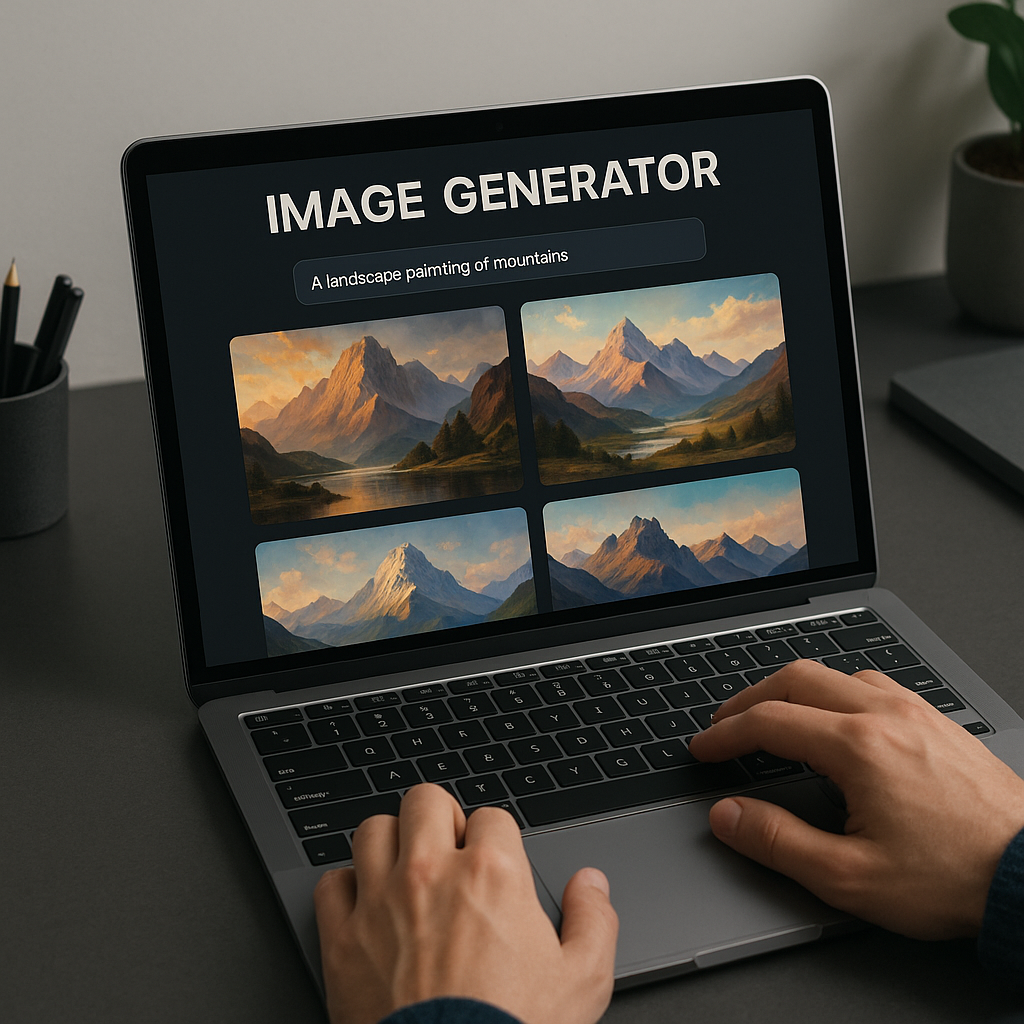
Image Generators
In recent years, the digital landscape has witnessed a remarkable transformation driven by advancements in artificial intelligence (AI) and machine learning. Among the most captivating innovations are image generators, which have begun to revolutionise the way we create and consume visual content. These tools utilise complex algorithms to generate images from scratch or to modify existing ones, opening up a world of possibilities for artists, designers, marketers, and everyday users alike.
At the core of image generation technology are neural networks, particularly generative adversarial networks (GANs). A GAN consists of two neural networks: a generator and a discriminator. The generator creates images, while the discriminator evaluates them, determining whether each image is real or artificially produced. Through this back-and-forth process, the generator learns to produce increasingly realistic images, resulting in outputs that can often be indistinguishable from real photographs. This technology has led to the creation of hyper-realistic images that can depict anything from fantastical landscapes to lifelike portraits.
One of the most notable examples of image generators is OpenAI's DALL-E, which captures the imagination with its ability to generate images from textual descriptions. Users can input a phrase, and DALL-E will produce an image that embodies that description, showcasing its understanding of both language and visual representation. For instance, a request for "an armchair in the shape of an avocado" will yield a unique image that reflects this quirky concept. This capability has significant implications for creative industries, where designers can quickly visualise ideas without needing extensive manual input.
Another major player in the field is Midjourney, an AI-based tool that allows users to create images through a simple chat interface. Midjourney's strength lies in its community-driven approach, where users can share their creations and collaborate on projects. This fosters a sense of belonging and creativity, as individuals can draw inspiration from one another's works while experimenting with the tool themselves. The platform has gained popularity among artists and hobbyists who seek to explore new artistic avenues without the technical barriers that traditional design software often presents.
As these tools become more sophisticated, their applications are expanding beyond mere entertainment. In the realm of marketing, brands are leveraging image generators to create engaging visual content that resonates with their target audiences. Customised visuals can be generated for social media campaigns, advertisements, and even product designs, allowing companies to maintain a fresh and dynamic online presence. This not only saves time and resources but also enables brands to explore creative directions that may not have been feasible through conventional methods.
Moreover, image generators have found their way into the realms of education and training. For instance, educators can use these tools to create illustrative materials that enhance learning experiences. Visual aids can be tailored to specific subjects, making complex concepts more accessible to students. In training scenarios, businesses can develop realistic simulations for employee onboarding or customer service training, providing a safe environment for practice through generated visuals.
However, the rise of image generators does not come without its challenges. Ethical concerns surrounding copyright and ownership are at the forefront of discussions within the creative community. When an image is generated by an AI, questions arise about who owns that image: the user, the AI model, or the creators of the model. Additionally, there are worries about the potential misuse of this technology to create misleading or harmful content, such as deepfakes or counterfeit products. These concerns necessitate the establishment of clear guidelines and regulations to safeguard against abuse while promoting innovation.
Furthermore, there is an ongoing debate about the implications of AI-generated art on traditional artists and designers. Some argue that these technologies could devalue human creativity, leading to a landscape where originality is eclipsed by algorithmically generated content. Others believe that rather than replacing artists, image generators can serve as tools that augment creativity, allowing artists to experiment and push boundaries in ways that were previously unimaginable.
As we delve deeper into the world of image generators, it is essential to consider the balance between embracing innovation and navigating the ethical complexities that accompany it. The technology has the potential to democratise art and design, making it accessible to a broader audience while providing professionals with new methods to enhance their craft. The key lies in fostering a collaborative environment where human creativity and AI capabilities can coexist and complement each other.
Looking ahead, the future of image generation technology appears bright and full of potential. As advancements continue to unfold, we can expect to see even more refined and versatile tools that cater to the diverse needs of users across various industries. The integration of these technologies into our everyday lives will likely become increasingly seamless, enabling us to create and interact with visual content in ways that enhance communication and expression.
In conclusion, image generators represent a fascinating intersection of technology and creativity. They are reshaping the landscape of visual content creation, offering exciting opportunities while also posing significant challenges. As we navigate this evolving terrain, it is crucial to engage in thoughtful dialogue about the implications of these tools, ensuring that we harness their power responsibly while celebrating the limitless potential of human ingenuity in the digital age.
Recent Posts
Transform Your Creativity: The Rise of Image Generators in Digital Artistry
січень 28, 2026
Unlocking Creativity: How Image Generators are Revolutionising Digital Art in 20...
січень 27, 2026
Unleashing Creativity: How Image Generators Are Transforming Digital Art in 2023
січень 29, 2026
Maximum Potential
Отримайте повний досвід із планом Pro
ІНФОРМАЦІЯ