лютий 12, 2026
Unlock Your Creativity: The Rise of Image Generators Transforming Art in 2023
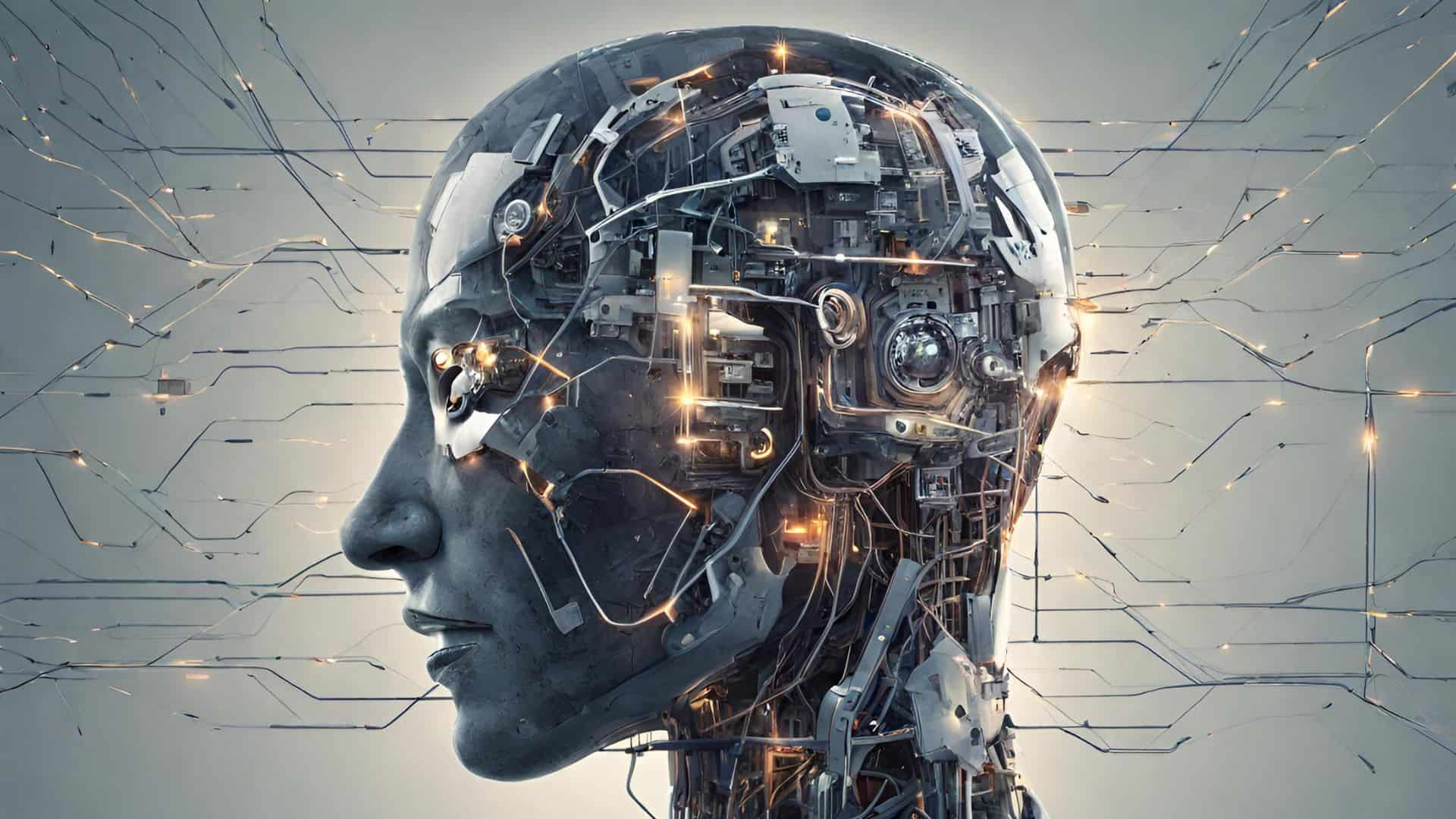
Image Generators
The rapid advancement of artificial intelligence (AI) has given rise to a variety of transformative technologies, among which image generators have emerged as one of the most fascinating and impactful innovations in recent years. These tools, powered by sophisticated machine learning algorithms, are capable of creating stunningly realistic images from textual descriptions, ushering in a new era of creativity and expression across various industries.
Image generators, such as DALL-E, Midjourney, and Stable Diffusion, have gained prominence for their ability to interpret user prompts and produce images that often surpass traditional artistic boundaries. By analysing vast datasets of images and their corresponding textual descriptions, these AI models learn to generate new visuals that reflect the nuances and complexities of human imagination. The implications of this technology are vast, affecting fields ranging from advertising and entertainment to education and design.
One of the most significant aspects of image generators is their accessibility. Unlike traditional graphic design, which often requires extensive training and expertise, these tools allow anyone with a basic understanding of language to create high-quality visuals. This democratization of creativity has sparked a surge of interest among hobbyists, marketers, and even professionals who are eager to leverage these capabilities for their projects. As a result, platforms offering image generation services have witnessed an exponential increase in users, demonstrating the public's appetite for innovative artistic tools.
Moreover, the impact of image generators extends beyond mere aesthetics. In the advertising industry, for instance, marketers are utilising these tools to create bespoke visuals that resonate with target audiences. By generating images tailored to specific campaigns, brands can enhance their messaging and improve engagement. This not only streamlines the creative process but also enables companies to produce content at an unprecedented speed and scale. As a result, the traditional workflow of advertising agencies is undergoing a transformation, with AI now playing a crucial role in ideation and execution.
In the realm of entertainment, image generators are being employed to design concept art for films and video games. Artists can quickly generate multiple iterations of characters, landscapes, or objects, allowing for a more efficient exploration of creative ideas. This capability not only accelerates the development process but also provides a fresh source of inspiration for creators, who can build upon the AI-generated visuals to refine their concepts further. The synergy between human creativity and machine intelligence is opening up new avenues for storytelling and artistic expression.
Despite the myriad advantages, the rise of image generators is not without its challenges and controversies. One major concern revolves around copyright and ownership. As AI-generated images become more prevalent, questions arise regarding who owns the rights to these creations. If an image is generated based on a user’s prompt, but the algorithm trained on copyrighted material, does the user have the right to claim ownership? This legal grey area has prompted ongoing discussions among artists, legal experts, and policymakers, highlighting the urgent need for updated intellectual property laws that can address the unique challenges posed by AI-generated content.
Additionally, there are ethical considerations surrounding the potential misuse of image generators. The capability to create hyper-realistic images raises the spectre of misinformation and deepfakes. For example, individuals or groups may exploit these technologies to fabricate misleading visuals that could manipulate public opinion or damage reputations. The proliferation of such content could undermine trust in visual media, necessitating the development of robust strategies to combat the dissemination of false information and ensure accountability in the use of AI tools.
As the technology continues to evolve, so too do the discussions surrounding its societal implications. The role of image generators in education is particularly noteworthy. Educators are exploring how these tools can enhance learning experiences by allowing students to visualise concepts and ideas in ways that were previously unimaginable. For example, a history teacher could use an image generator to create visual representations of historical events, making lessons more engaging and accessible. This interactive approach to learning not only captures students' attention but also fosters creativity and critical thinking skills.
Furthermore, the integration of image generators into design workflows is reshaping industries such as fashion and architecture. Designers can experiment with new looks and styles by generating visuals that explore various possibilities without the constraints of traditional prototyping. This iterative process encourages innovation, as creators can quickly test ideas and refine their vision based on AI-generated feedback. As the boundaries between human and machine creativity continue to blur, the potential for groundbreaking designs becomes increasingly attainable.
The future of image generators appears promising, with ongoing advancements in AI technology suggesting even greater capabilities on the horizon. Researchers are continually refining algorithms to improve the quality and diversity of generated images, while also addressing the ethical concerns that accompany their use. As the technology matures, it is likely that we will see more sophisticated tools that offer enhanced customisation options, allowing users to exercise greater control over the creative process.
In conclusion, image generators represent a remarkable fusion of technology and creativity, offering unprecedented opportunities for artistic expression and innovation across various sectors. While the benefits are substantial, it is essential that society navigates the accompanying challenges with vigilance and foresight. As we stand on the brink of this new creative frontier, the dialogue surrounding the ethical, legal, and societal implications of image generation will be crucial in shaping a future where technology complements and enhances human creativity rather than undermining it. The potential for image generators to enrich our lives and expand our creative horizons is immense, and with responsible development and use, this technology can usher in a new age of artistic exploration and collaboration.
Recent Posts
Transform Your Creativity: The Rise of Image Generators in Digital Artistry
січень 28, 2026
Unlocking Creativity: How Image Generators are Revolutionising Digital Art in 20...
січень 27, 2026
Unleashing Creativity: How Image Generators Are Transforming Digital Art in 2023
січень 29, 2026

Maximum Potential
Отримайте повний досвід із планом Pro
Продукти
ІНФОРМАЦІЯ