лютий 24, 2026
Unlock Your Creativity: The Rise of Image Generators Transforming Art in 2023
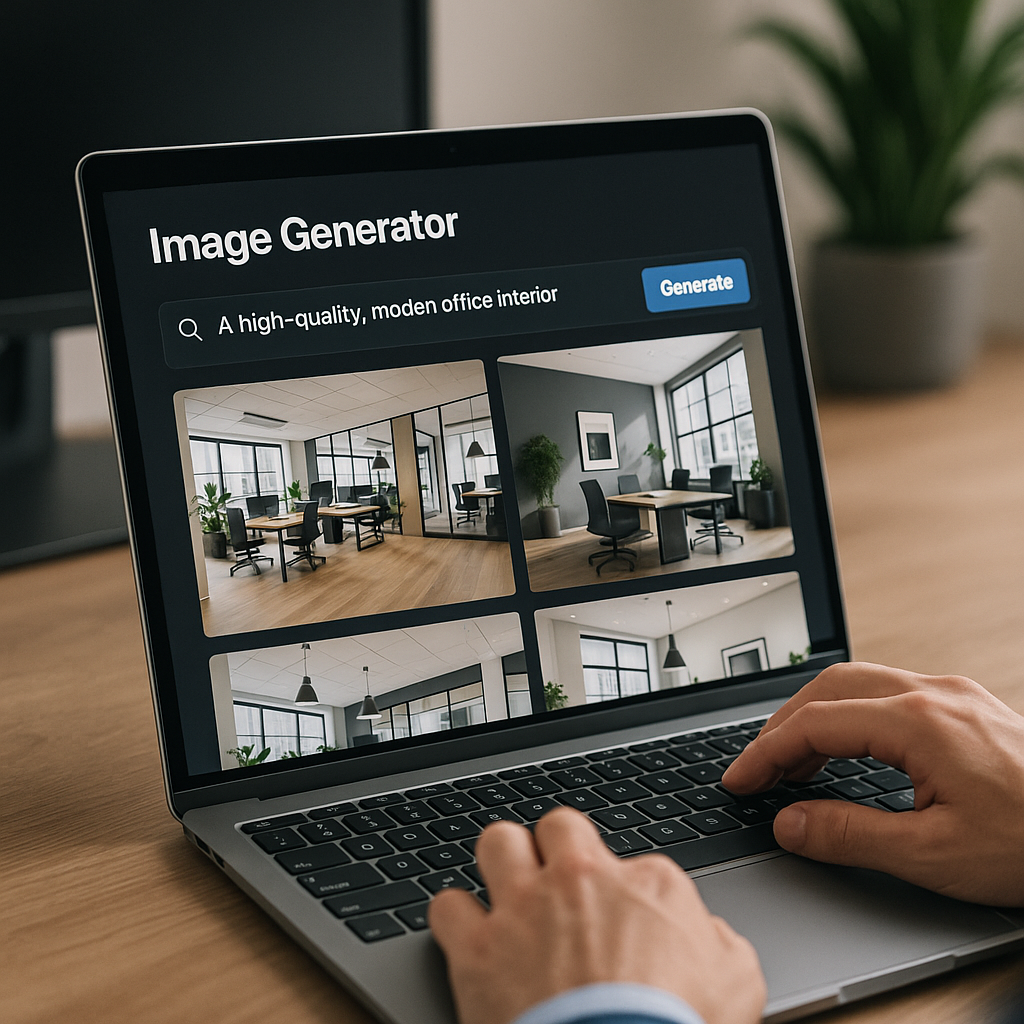
Image Generators
In recent years, the rise of artificial intelligence has dramatically transformed various industries, and one of the most captivating advancements has been in the realm of image generation. These sophisticated systems, often referred to as image generators, are capable of creating stunning visuals based on textual prompts or previous images, pushing the boundaries of creativity and technology. From artists seeking inspiration to marketers aiming to produce engaging content rapidly, the applications of image generators are both diverse and impactful.
Image generators leverage deep learning algorithms, particularly generative adversarial networks (GANs) and diffusion models, to produce images that can range from hyper-realistic to surreal. GANs consist of two neural networks: the generator, which creates images, and the discriminator, which evaluates them. This iterative process allows the generator to improve its output over time, resulting in high-quality images that can often be indistinguishable from real photographs. Diffusion models, on the other hand, work by gradually adding noise to images and then learning how to reverse this process, effectively allowing the model to create new images from random noise.
The technology behind image generators has been propelled into the limelight with the launch of several high-profile applications. One notable example is OpenAI's DALL-E, which gained attention for its ability to generate unique images from textual descriptions. Users can request images of anything from "a cat wearing a top hat" to "a futuristic city skyline," and DALL-E delivers astonishingly creative results. Another prominent player is Midjourney, which has developed a community of artists and enthusiasts who use its platform to create and share their AI-generated artwork.
These tools are not merely novelties; they are reshaping how we think about art and creativity. For artists, image generators offer a new medium for exploration and experimentation. They can produce variations of a concept quickly, allowing artists to refine their ideas before committing to a final piece. Moreover, the collaborative potential between human creativity and machine learning has sparked conversations about authorship and originality. Who is the true creator of an artwork generated by AI—the human who input the prompt or the machine that executed the request?
As businesses increasingly recognise the capabilities of image generators, industries such as advertising and e-commerce are embracing this technology to enhance their marketing strategies. Brands can now generate bespoke images tailored to specific campaigns without the need for costly photo shoots or lengthy design processes. For example, a fashion retailer can create promotional images featuring its products in various settings, thus enabling a more dynamic and appealing presentation to consumers.
However, the rise of image generators is not without its challenges. One significant concern is the ethical implications of AI-generated content. The ease with which these tools can produce realistic images raises questions about misinformation and authenticity. Deepfakes, for instance, have already demonstrated how AI can manipulate images and videos to create misleading representations. As image generators become more accessible, the risk of misuse increases, prompting calls for regulatory measures to combat potential abuses.
Furthermore, there is an ongoing debate about the environmental impact of AI technologies. Training large models requires substantial computational power, which in turn demands significant energy resources. Advocates for sustainability argue that as the demand for image generation grows, so too must the industry’s commitment to reducing its carbon footprint. Companies are urged to develop more energy-efficient algorithms and explore renewable energy sources to mitigate their environmental impact.
Despite these challenges, the future of image generation appears bright. Researchers are continually refining techniques to enhance the quality and diversity of generated images. For instance, advancements in multi-modal models that can generate images, text, and even audio in tandem are on the horizon. This could lead to richer storytelling experiences and more immersive content creation.
Moreover, as image generators become more user-friendly, their accessibility is set to expand. Tools that once required extensive technical expertise are now available to the general public, democratizing the ability to create high-quality visuals. This shift may unleash a wave of creativity from individuals who previously felt confined by their artistic skills or resources.
The educational sector is also beginning to take notice of the potential of image generators. Schools and universities are exploring ways to incorporate these technologies into their curricula, helping students understand the intersection of art and technology. By equipping future generations with the skills to harness AI tools, educators are preparing them for careers in an increasingly digital world.
In conclusion, image generators represent a fascinating convergence of art, technology, and creativity. They are redefining how we perceive and create visual content, offering exciting opportunities across various sectors. As the technology continues to evolve, it will be essential for society to address the ethical, environmental, and creative challenges that accompany these advancements. With thoughtful consideration and responsible use, image generators have the potential to enhance human creativity and reshape our visual landscape in ways we are only beginning to imagine.
Recent Posts
Unlocking Creativity: How Image Generators are Revolutionising Digital Art in 20...
січень 27, 2026
Unleashing Creativity: How Image Generators Are Transforming Digital Art in 2023
січень 29, 2026
Transform Your Creativity: The Rise of Image Generators in Digital Artistry
січень 28, 2026

Maximum Potential
Отримайте повний досвід із планом Pro
ІНФОРМАЦІЯ