лютий 2, 2026
Unlocking Creativity: How Image Generators Are Revolutionising Digital Art
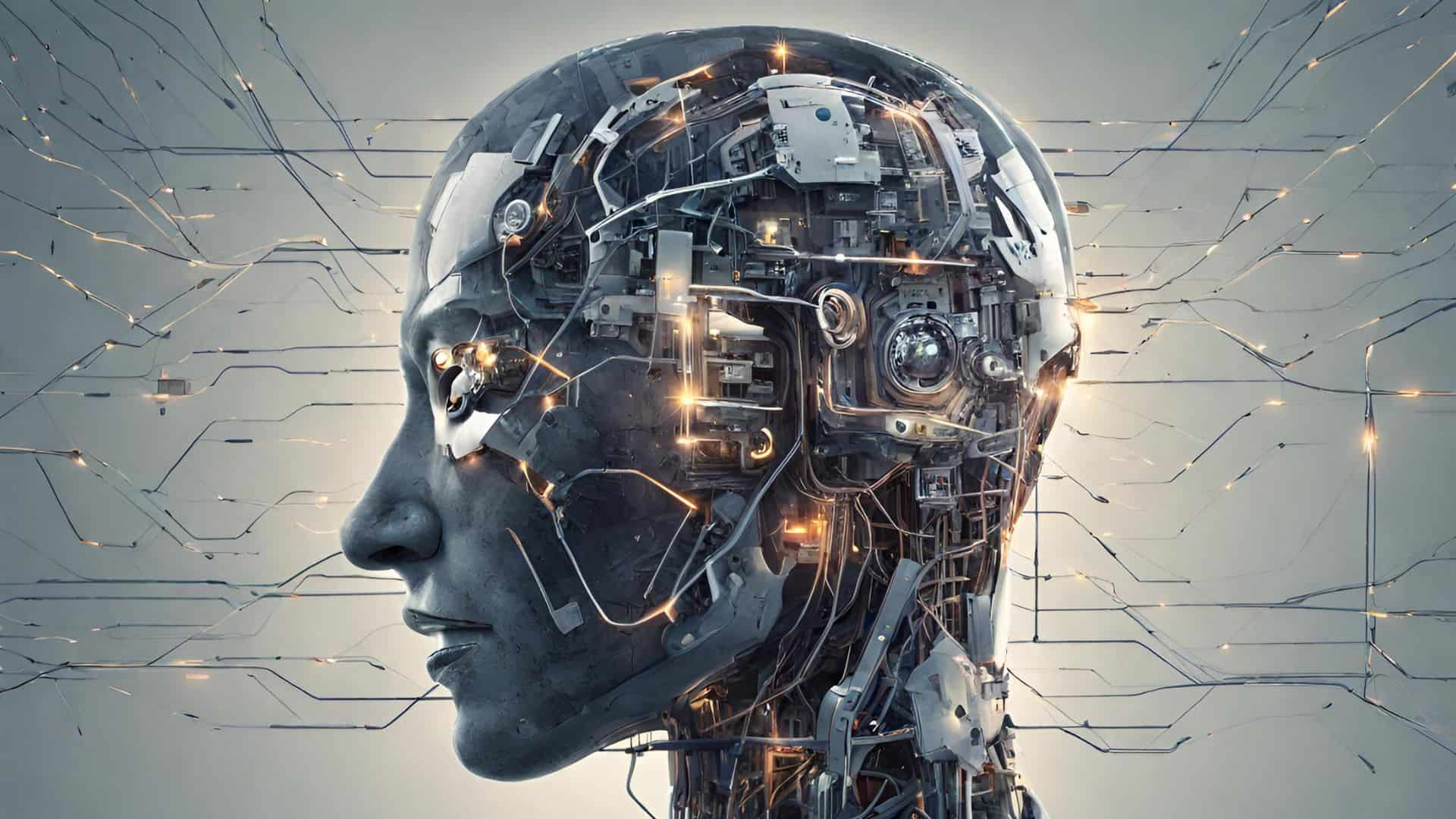
Image Generators
The rapid advancement of technology has led to the emergence of image generators, a fascinating innovation within the realm of artificial intelligence. These systems, powered by machine learning algorithms, can create stunning visuals ranging from realistic photographs to abstract art. As we delve into the world of image generators, it is essential to explore their mechanics, applications, and the broader implications for creativity and society.
Image generators typically rely on a class of algorithms known as Generative Adversarial Networks (GANs). A GAN consists of two neural networks: a generator and a discriminator. The generator's role is to produce images, while the discriminator evaluates them against real images. This process continues iteratively, with the generator improving its outputs based on the feedback from the discriminator until the images are indistinguishable from genuine photographs. This dual structure allows image generators to learn from vast datasets, enabling them to produce high-quality images that can captivate audiences.
One of the most notable instances of image generators is OpenAI's DALL-E, which gained significant attention for its ability to generate coherent and creative images from textual descriptions. Users can input a phrase, and DALL-E will create a corresponding image that embodies the essence of the text. For example, a request for "an armchair in the shape of an avocado" yields a visually compelling result that showcases the generator's ability to understand and creatively interpret language. This particular application of image generation not only highlights the technology's potential in artistic endeavours but also raises questions about intellectual property and copyright in the digital age.
Beyond artistic creation, image generators have found a myriad of practical applications across various fields. In the fashion industry, designers are employing these tools to visualize clothing lines and test marketing concepts without the need for physical prototypes. This process streamlines design cycles, reduces costs, and fosters innovation. Similarly, the gaming industry utilises image generators to create lifelike environments and characters, enhancing the immersive experience for players.
Healthcare is another sector benefiting from image generation technology. Medical professionals use AI-generated images to train diagnostic algorithms, aiding in the identification of conditions from scans and radiographs. By generating diverse datasets, image generators can help mitigate bias in AI systems, leading to improved accuracy and better patient outcomes.
As image generators continue to evolve, ethical considerations surrounding their use have come to the forefront. The ease with which these tools can create hyper-realistic images raises concerns about misinformation and deepfakes. The potential to generate misleading visuals poses a significant threat to public trust, particularly in an era where information is often consumed rapidly and without scrutiny. The implications of such technology are profound, challenging our perceptions of reality and authenticity.
Moreover, the debate surrounding the ownership of AI-generated content is gaining traction. Who holds the copyright to an image created by an AI? The creator of the algorithm, the user who provided the input, or the AI itself? As these questions remain largely unanswered, the legal landscape is struggling to keep pace with technological advancements, necessitating a re-evaluation of existing intellectual property frameworks.
Despite these challenges, the positive potential of image generators cannot be overlooked. They democratise creativity, allowing individuals without formal artistic training to explore their creative side. Users can generate personalised art pieces, create unique marketing materials, or even design custom merchandise—all with minimal effort. This accessibility opens doors for entrepreneurs and small businesses, enabling them to compete in a digital landscape that increasingly values innovation and creativity.
The education sector has also begun to integrate image generators into the curriculum, with art and design students using these tools to enhance their creative skills. By blending traditional techniques with modern technology, educators encourage students to think critically about the role of AI in artistic expression. This fusion of disciplines fosters a new generation of creators who are both technically proficient and creatively inspired.
As the capabilities of image generators expand, we can anticipate advancements that blur the lines between human and machine creativity. The rise of collaborative AI, where humans and machines work together to produce art, is likely to redefine our understanding of authorship and creativity. Artists may increasingly embrace AI as a co-creator rather than viewing it as a competitor, leading to innovative forms of expression that merge human intuition with algorithmic precision.
In conclusion, image generators represent a significant leap forward in the intersection of technology and creativity. While they present challenges regarding authenticity, ownership, and ethical use, they also offer unprecedented opportunities for innovation across various sectors. As society navigates this evolving landscape, the conversation surrounding AI-generated content will continue to develop, ultimately shaping the future of art, design, and creativity in the digital age. Embracing these changes while remaining vigilant about the implications will be crucial as we step into a future where human and machine collaboration becomes increasingly commonplace.
Recent Posts
Head-to-Head: Comparing Top AI Models in Работа с Нейросетями and Their Impact
червень 16, 2026
Debunking Myths: The Realities of Работа с Нейросетями and AI Models Today
червень 16, 2026
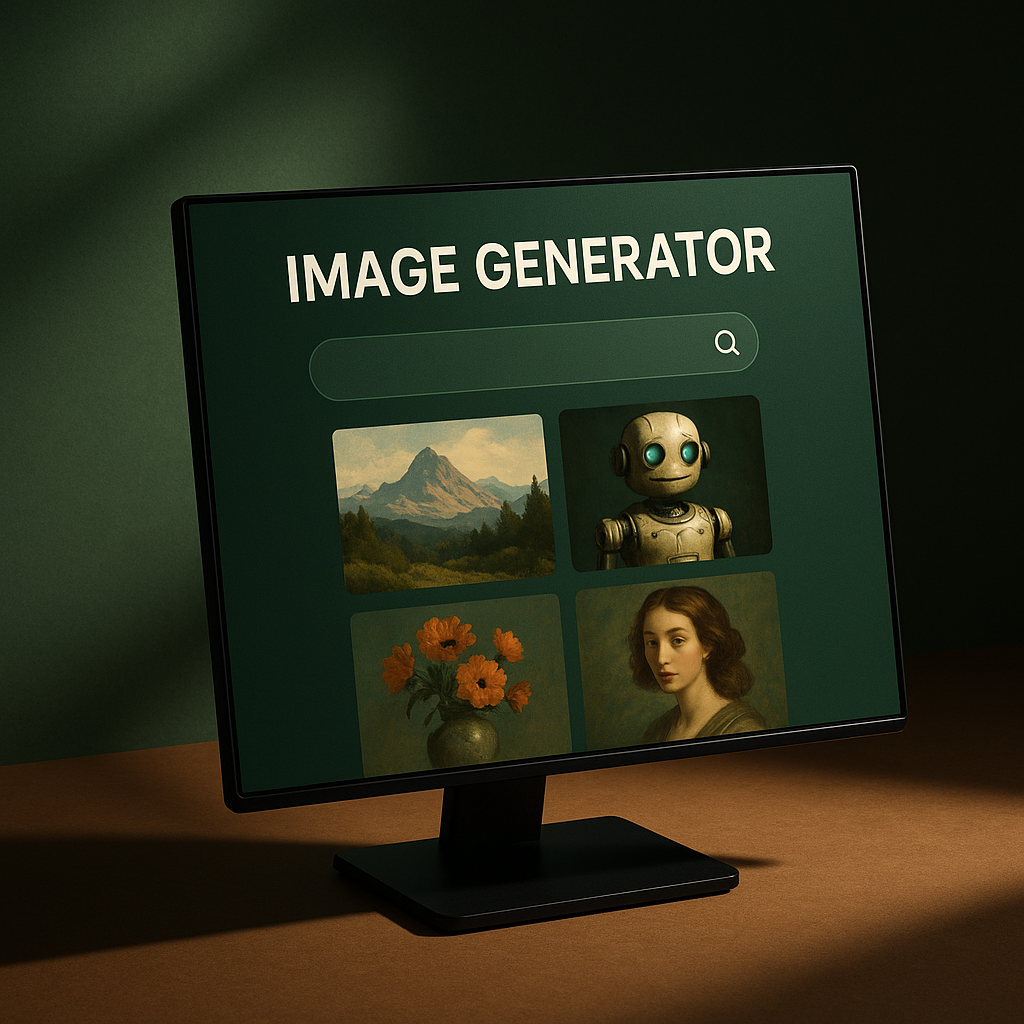
Unlocking Creativity: A Simple Guide to Using Image Generators for Beginners
червень 16, 2026

Maximum Potential
Отримайте повний досвід із планом Pro
ІНФОРМАЦІЯ