березень 1, 2026
Unlocking Creativity: How Image Generators are Revolutionising Visual Art in 2023
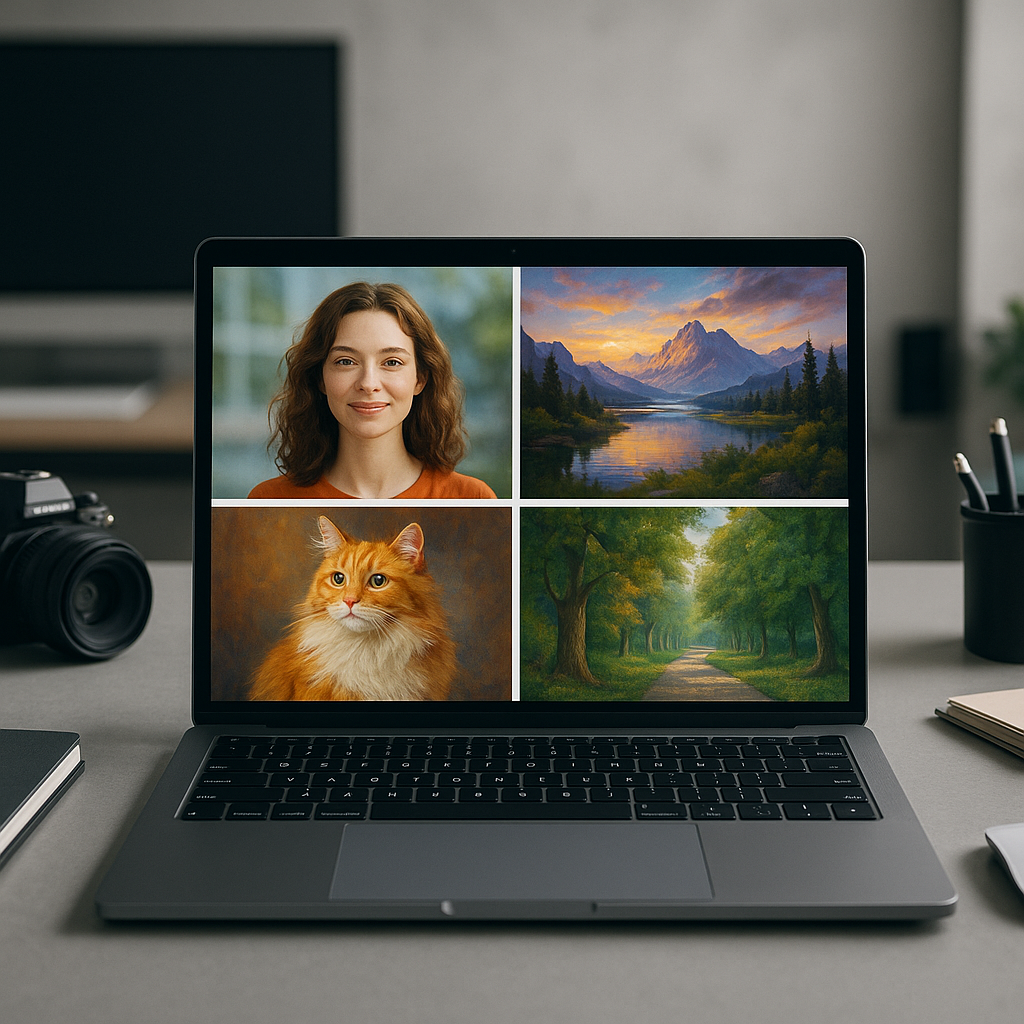
Image Generators
The rapid advancement of artificial intelligence has ushered in a new era of creativity, particularly through the emergence of image generators. These sophisticated tools employ machine learning techniques to create original images from textual descriptions, enabling artists, designers, and everyday users to explore uncharted territories of visual expression. As these technologies continue to evolve, they are not only reshaping how we create and consume art but also igniting a conversation about the implications of AI in creative fields.
Image generators, often powered by deep learning algorithms, have gained significant traction over the past few years. Prominent models such as OpenAI’s DALL-E, Midjourney, and Stability AI’s Stable Diffusion have showcased the potential of AI to produce stunning visuals that range from hyper-realistic portraits to whimsical illustrations. These tools work by training on vast datasets that include millions of images and associated textual descriptions, allowing them to understand the nuances of visual representation and human language.
The process begins with a user inputting a text prompt, which the image generator interprets to create an image. For instance, a simple prompt like “a serene landscape with a sunset over the mountains” can yield a multitude of interpretations, each unique in its execution. The diversity of results is one of the most exciting aspects of these technologies, as they can produce a variety of styles and compositions that an individual artist might not conceive. Moreover, these tools can also blend disparate concepts seamlessly, producing images that can be both surprising and thought-provoking.
One of the most notable aspects of image generators is their accessibility. Traditionally, creating visually compelling art required a significant level of skill, training, and experience. However, with the rise of AI-driven image generation, anyone with a basic understanding of how to formulate prompts can create high-quality images. This democratisation of art has profound implications, particularly for aspiring artists who may lack formal training or resources. It allows them to experiment and explore their creativity without the barriers that typically accompany artistic pursuits.
Furthermore, image generators are finding applications across various industries. In advertising, businesses can use these tools to create bespoke visuals for marketing campaigns, reducing the need for costly photoshoots or graphic design services. In gaming, developers can quickly generate assets, streamlining the creative process and allowing for rapid prototyping. Additionally, the fashion industry is leveraging image generators to visualise concepts and designs before they are brought to life, providing a more efficient workflow.
However, the rise of image generators has not been without controversy. The implications of AI-generated art raise significant ethical questions, particularly regarding copyright and ownership. If an image is created by an AI based on prompts derived from existing artworks, who owns the rights to that image? This question becomes even murkier when considering that AI models are trained on datasets that often include copyrighted material. As laws and regulations struggle to keep pace with technological advancements, artists and creators are left navigating a complex landscape where their work may be inadvertently used to train these models without their consent.
Moreover, the potential for misuse of image generators is a growing concern. The ability to create realistic images with minimal effort can lead to the spread of misinformation, particularly in an age where visual content is often taken at face value. Deepfakes and misleading images can have far-reaching consequences, affecting public perception and trust. As such, robust guidelines and ethical frameworks are essential to ensure that these tools are used responsibly and that the integrity of visual media is preserved.
In response to these challenges, some companies developing image generators are taking proactive steps to address ethical considerations. For instance, OpenAI has implemented measures to restrict the generation of harmful or misleading content and is actively engaging with the creative community to establish best practices. Furthermore, there is a growing movement advocating for transparency in AI training datasets, urging developers to disclose the sources of the data used to train their models to mitigate concerns over copyright infringement.
Looking ahead, the future of image generators appears promising yet complex. As technology continues to advance, we can expect even more sophisticated tools that can generate higher quality images with greater nuance and detail. The integration of AI in creative processes may redefine the role of artists, prompting a shift from traditional creation methods to collaborative efforts where human creativity and machine intelligence coexist.
Artists may find themselves working alongside AI, using these tools as a means of enhancing their creative expression rather than replacing it. This partnership could lead to a renaissance of sorts, where the boundaries of art are pushed further than ever before. The fusion of human intuition and machine learning may yield new artistic movements that challenge our perceptions of creativity and originality.
As we embrace this new frontier, it is crucial to foster a dialogue about the ethical implications and responsibilities that come with using AI in creative fields. By encouraging collaboration between technologists, artists, and policymakers, we can ensure that the benefits of image generators are maximised while minimising the risks associated with their misuse. Ultimately, the journey of AI in art is just beginning, and its evolution will undoubtedly shape the cultural landscape for years to come.
Recent Posts
Head-to-Head: Comparing Top AI Models in Работа с Нейросетями and Their Impact
червень 16, 2026
Debunking Myths: The Realities of Работа с Нейросетями and AI Models Today
червень 16, 2026
Unlocking Creativity: A Simple Guide to Using Image Generators for Beginners
червень 16, 2026
Maximum Potential
Отримайте повний досвід із планом Pro
ІНФОРМАЦІЯ