квітень 14, 2026
Unlocking Creativity: How Image Generators are Transforming Digital Art in 2023
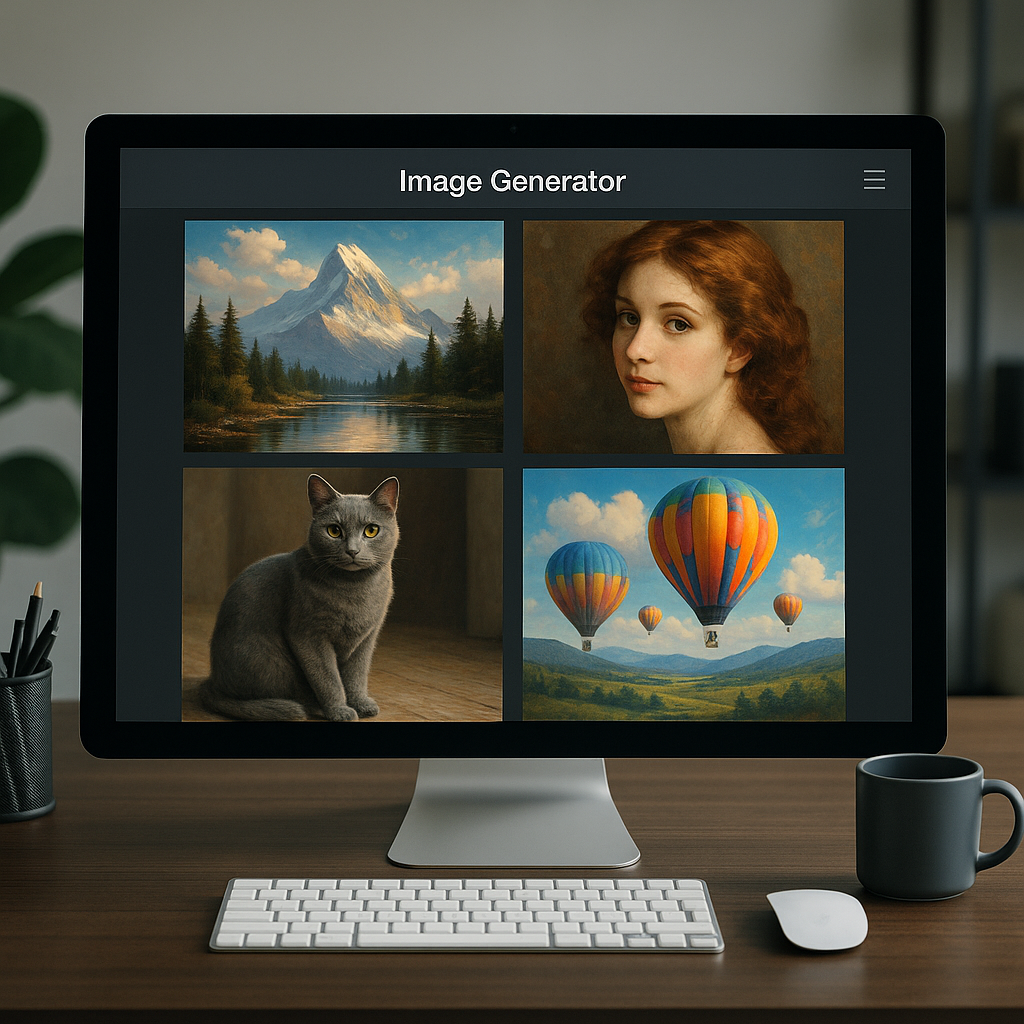
Image Generators
In recent years, the rise of image generators has marked a significant shift in both the creative industries and technology. Leveraging advancements in artificial intelligence (AI), these tools have rapidly evolved, enabling users to create stunning visuals with minimal effort. From artists to marketers, the applications of image generation technology are vast, opening a world of possibilities for professionals and hobbyists alike.
Image generators primarily operate on the principles of machine learning and deep learning. These systems are trained on vast datasets that include millions of images, learning to identify patterns, styles, and subjects. One of the most notable methodologies employed is Generative Adversarial Networks (GANs), which consist of two neural networks: a generator that creates images and a discriminator that evaluates them. This interplay helps refine the quality of the generated images, resulting in increasingly realistic outputs.
One of the most popular and accessible image generators to date is OpenAI's DALL-E, which has garnered significant attention for its ability to produce intricate images based on textual descriptions. Users can input prompts, and DALL-E generates corresponding visuals, showcasing its understanding of context, style, and composition. This capability has not only sparked creativity but has also raised discussions about the implications of AI in art and originality.
Another notable player in this field is Midjourney, an independent research lab that has developed a platform enabling users to create images from text prompts. Midjourney has captured the imagination of many, particularly within the creative community, as it allows for a high degree of stylisation and artistic interpretation. The ease of use and quick results have made it a favourite among graphic designers, content creators, and social media influencers, who are always on the lookout for unique visuals to enhance their work.
Meanwhile, Adobe has also entered the fray with its own AI-powered tools, integrating image generation capabilities into its suite of creative software. By incorporating features like Adobe Firefly, the company aims to empower users to generate images that can be seamlessly integrated into their projects. This move signals a broader trend among traditional software companies to adapt to evolving technologies, ensuring they remain relevant in an increasingly digital landscape.
The implications of these technologies extend beyond mere convenience. For artists, the emergence of AI image generators poses questions regarding authorship and creativity. Many artists express concerns that AI-generated art could dilute the value of human creativity and craftsmanship. However, others see these tools as an opportunity to enhance their artistic expression, using AI as a collaborator rather than a competitor. This dichotomy illustrates the complex relationship between technology and creativity in the modern age.
Beyond the realm of traditional art, businesses are also harnessing the power of image generation for marketing purposes. Companies can create custom visuals tailored to specific campaigns or target audiences without the need for extensive photo shoots or graphic design expertise. This not only saves time and resources but also enables brands to maintain a consistent visual identity across various platforms. The ability to generate high-quality images on demand has revolutionised the way businesses approach content creation and marketing strategies.
Despite the many advantages, the proliferation of image generators also raises ethical questions. Issues surrounding copyright and intellectual property are at the forefront of discussions, as the lines between human-created and machine-generated art become increasingly blurred. While some platforms have begun implementing measures to attribute AI-generated works, the legal landscape remains murky, highlighting the need for comprehensive guidelines and regulations to protect artists' rights in an AI-driven world.
Moreover, the potential for misuse of these technologies cannot be overlooked. The ease with which one can generate realistic images has led to concerns about misinformation and the creation of deepfakes. As image generators become more sophisticated, distinguishing between authentic and manipulated visuals becomes increasingly challenging. This underscores the importance of media literacy and critical thinking in an era where images can be produced at the click of a button.
As the technology continues to advance, image generators are likely to become more integrated into daily life. From enhancing personal projects to streamlining business operations, the future of visual content creation is undoubtedly tied to AI. Educational institutions are already beginning to incorporate these tools into their curricula, preparing the next generation of creatives to navigate a landscape where collaboration with AI is commonplace.
In conclusion, the advent of image generators has transformed the creative and business landscapes, offering unprecedented opportunities for innovation and expression. While they present challenges that society must grapple with—such as ethical considerations and the potential for misuse—the benefits of these technologies are undeniable. As we continue to explore the capabilities of AI in image generation, one thing is clear: the intersection of technology and creativity will only deepen, shaping the future of art and commerce in profound ways.
As we move forward, it will be essential for creators, businesses, and policymakers to engage in ongoing dialogue about the implications of these technologies. By fostering a collaborative environment where human creativity and artificial intelligence coexist, we can harness the full potential of image generators while safeguarding the values that underpin artistic expression and innovation.
Recent Posts
Transform Your Creativity: The Rise of Image Generators in Digital Artistry
січень 28, 2026
Unlocking Creativity: How Image Generators are Revolutionising Digital Art in 20...
січень 27, 2026
Unleashing Creativity: How Image Generators Are Transforming Digital Art in 2023
січень 29, 2026
Maximum Potential
Отримайте повний досвід із планом Pro
ІНФОРМАЦІЯ