січень 30, 2026
Unlocking Creativity: How Image Generators are Transforming Digital Art in 2023
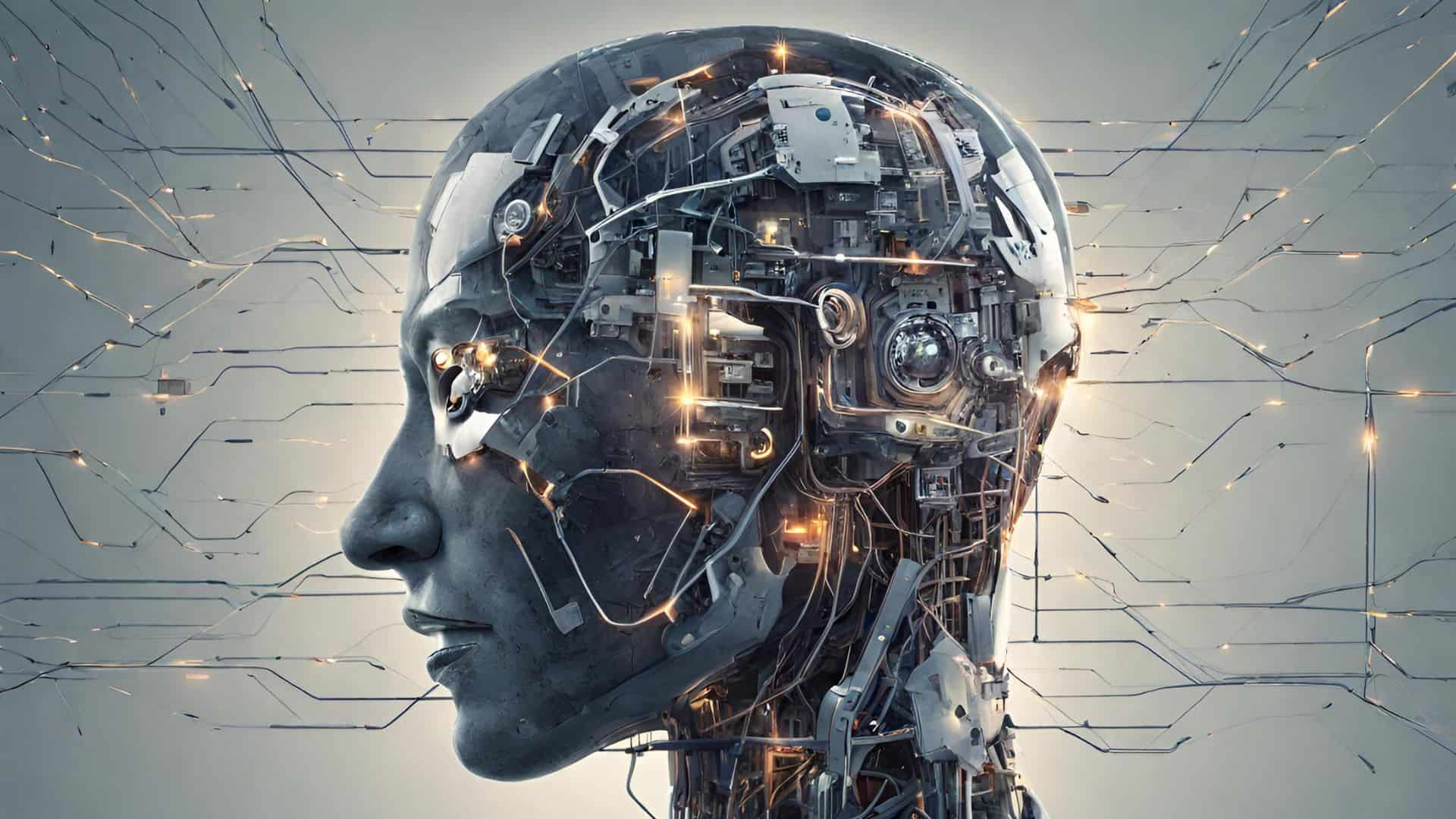
Image Generators
In recent years, the rise of image generators has revolutionised the way we approach visual content creation. These advanced artificial intelligence (AI) tools have emerged as powerful assets for artists, marketers, and businesses alike, offering a new approach to generating images that can cater to a wide range of needs and preferences. As the technology continues to evolve, understanding its implications, potential applications, and challenges becomes increasingly vital.
Image generators, powered by sophisticated algorithms and neural networks, are capable of producing unique images based on textual descriptions. This process, known as text-to-image generation, involves training AI models on vast datasets of images and their corresponding descriptions, allowing the system to learn the intricate relationships between visual elements and language. Popular platforms such as DALL-E, Midjourney, and Stable Diffusion have demonstrated the capabilities of these generators, enabling users to create everything from surrealistic artwork to photorealistic images with just a few words.
The applications of image generators are extensive and diverse. In the realm of marketing, businesses can leverage these tools to create visually striking advertisements and social media content tailored to their target audiences. By inputting specific prompts related to their brand or campaign, marketers can generate unique visuals that resonate with potential customers, saving both time and resources in the creative process. This ability to quickly produce bespoke imagery allows brands to remain agile in an ever-changing digital landscape.
Beyond marketing, image generators are finding their place in the world of art and design. Artists are increasingly using these tools as a source of inspiration or as a collaborative partner in their creative processes. By inputting keywords or phrases, artists can explore new ideas and concepts, generating visuals that may inspire their traditional artwork. This fusion of technology and creativity is fostering a new era of artistic expression, where the boundaries of human imagination are expanded by AI-generated visuals.
Moreover, in fields such as gaming and film, image generators are streamlining the concept art process. Game developers and filmmakers can produce preliminary visuals to convey ideas and concepts, allowing for a more efficient development process. This can be particularly advantageous for indie developers and small studios that may lack the resources to hire large teams of artists. As these tools become more accessible, they democratise the creative process, enabling a wider range of creators to bring their visions to life.
However, the rise of image generators is not without its challenges and controversies. A significant concern is the potential for misuse, particularly in the creation of deepfakes or misleading images. As the technology becomes more sophisticated, the line between reality and artificiality can blur, leading to ethical dilemmas regarding the authenticity of visual content. This raises questions about copyright, ownership, and the potential for deception in media. The ability to generate hyper-realistic images could be exploited to create false narratives or manipulate public opinion, posing risks to both individuals and society at large.
Furthermore, the implications for the traditional art world are profound. While many artists embrace the technology as a tool for enhancing their creativity, others express concern about the potential devaluation of human artistry. The fear is that the proliferation of AI-generated images may overshadow traditional techniques and styles, leading to a cultural shift in how art is perceived and valued. As image generators continue to improve, the conversation surrounding the role of human creativity versus machine-generated content remains essential.
In response to these challenges, industry leaders and policymakers are beginning to establish guidelines and ethical frameworks governing the use of image generators. Initiatives are being developed to promote transparency and accountability in AI-generated content, ensuring that users are aware of the technology’s capabilities and limitations. This includes calls for clear labelling of AI-generated images to help mitigate potential misinformation and protect the integrity of visual media.
As image generators become increasingly integrated into our daily lives, the technology also raises important questions about the future of creativity and innovation. Will we see a hybrid approach where artists and AI collaborate more closely, or will the emergence of these tools lead to a divide between traditional and digital artistry? The answers to these questions will shape the landscape of creative industries for years to come.
In conclusion, image generators represent a significant advancement in the intersection of technology and creativity, offering new possibilities for visual content creation across various sectors. While the benefits of these tools are manifold, it is crucial to navigate the accompanying challenges thoughtfully. As we harness the power of AI to generate images, fostering a dialogue around ethics, authenticity, and the future of creativity will ensure that this technology serves as a force for good, enhancing rather than diminishing the art and creative expression that defines our culture.
Recent Posts
Head-to-Head: Comparing Top AI Models in Работа с Нейросетями and Their Impact
червень 16, 2026
Debunking Myths: The Realities of Работа с Нейросетями and AI Models Today
червень 16, 2026
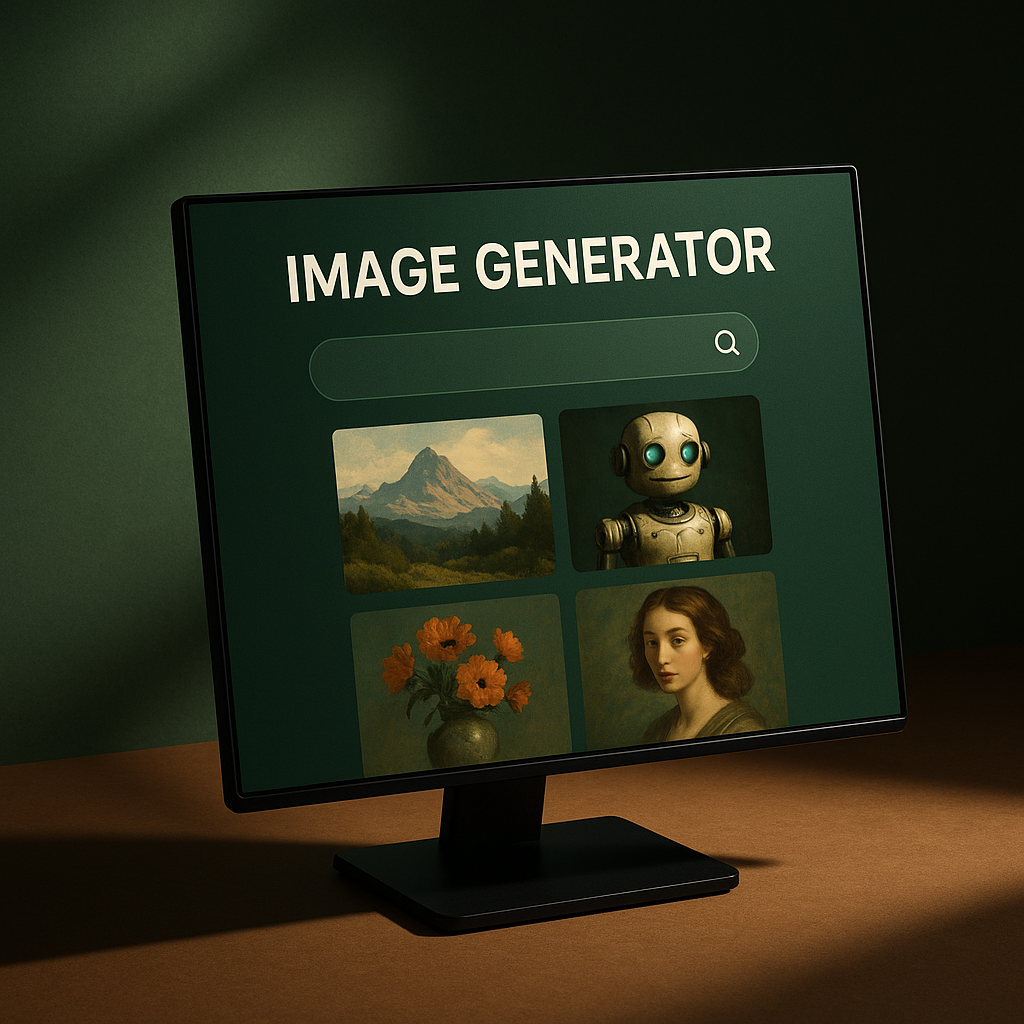
Unlocking Creativity: A Simple Guide to Using Image Generators for Beginners
червень 16, 2026
Maximum Potential
Отримайте повний досвід із планом Pro
ІНФОРМАЦІЯ