березень 28, 2026
Unlocking Creativity: How Image Generators are Transforming Visual Content Creation
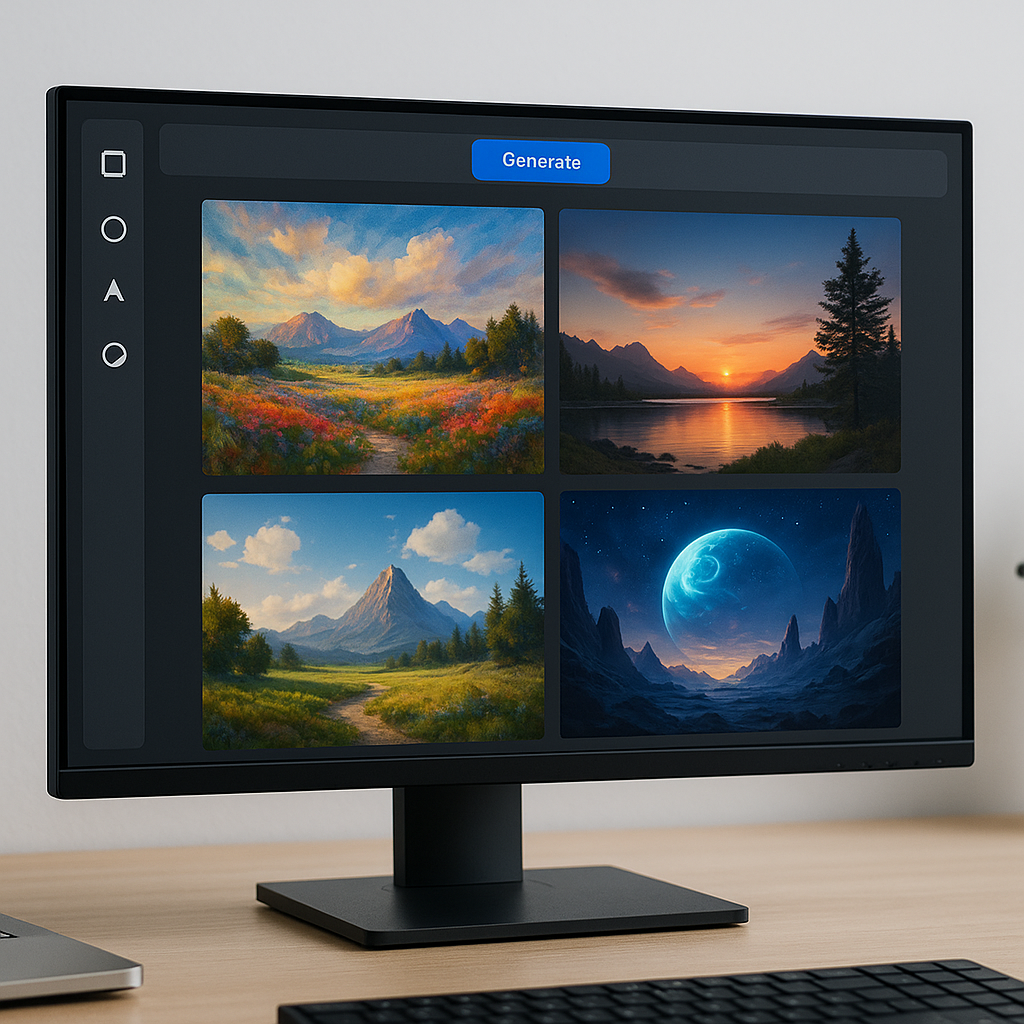
Image Generators
In recent years, image generators have gained significant traction across various sectors, reshaping how visuals are created and consumed. From marketing campaigns to artistic endeavours, these advanced software tools leverage artificial intelligence (AI) to produce images that are not only unique but often indistinguishable from those crafted by human artists. As these technologies evolve, they raise important questions about creativity, ownership, and the future of visual content.
At the heart of the image generation revolution is the concept of generative adversarial networks (GANs). This AI framework consists of two neural networks—the generator and the discriminator—that work in tandem to create and evaluate images. The generator produces new images, while the discriminator assesses them against real images to determine their authenticity. This iterative process allows the generator to improve over time, ultimately producing images that can rival traditional artistic methods. As a result, image generators have found application in fields ranging from advertising to video game development, where striking visuals are essential.
One of the most notable examples of this technology is OpenAI's DALL-E, which can create images from textual descriptions. Users can input a phrase, and the AI generates corresponding visuals, opening up a world of possibilities for designers and marketers. For instance, a request for "a cat dressed as a pirate" could yield a range of imaginative interpretations, showcasing the AI's ability to merge concepts creatively. This capability not only streamlines the design process but also allows for greater experimentation, enabling users to explore ideas they may not have previously considered.
Similarly, Midjourney has emerged as a popular tool among artists and hobbyists, providing an accessible platform for generating high-quality images based on user prompts. This tool has gained traction in the creative community, where users share their AI-generated artwork on social media platforms, often sparking discussions about the implications of AI in art. The ease of use and rapid output of these generators allow individuals without traditional artistic skills to express themselves visually, democratizing the creation of art.
However, the rise of image generators is not without controversy. One of the key issues revolves around copyright and ownership. With AI systems trained on vast datasets of existing images, questions arise about the originality of AI-generated content. If an image is produced that closely resembles a work created by a human artist, who holds the rights to that image? This ambiguity has led to debates within the artistic community, as creators seek to protect their intellectual property while embracing new technologies.
Moreover, the use of image generators raises ethical concerns regarding the potential for misuse. The ability to create realistic images quickly can facilitate the production of misleading visuals, including fake news and deepfakes. As technology advances, the line between reality and fabrication becomes increasingly blurred, prompting a need for stringent regulations and ethical guidelines governing the use of AI in visual content creation. Industry stakeholders, including artists, technologists, and policymakers, must come together to establish a framework that balances innovation with responsibility.
Despite these challenges, the benefits of image generators are undeniable. They not only enhance productivity but also foster creativity by enabling artists and designers to explore new styles, concepts, and techniques. For example, brands can use AI-generated visuals for marketing campaigns, allowing for rapid iteration and experimentation without the need for extensive resources. This efficiency can lead to more dynamic and engaging advertising, capturing audience attention in an ever-competitive market.
Furthermore, in the realm of education, image generators can serve as valuable tools for teaching art and design principles. Students can experiment with different aesthetics and techniques, gaining insights into the creative process without the limitations of traditional media. By incorporating these technologies into curricula, educators can prepare the next generation of artists and designers for a future where AI plays a significant role in creative industries.
The integration of image generators into various sectors is also prompting a shift in the skill sets required for professionals. As these tools become commonplace, there is an increasing demand for individuals who can effectively collaborate with AI, harnessing its capabilities to enhance their work rather than replace it. This new landscape requires a blend of technical proficiency and creative vision, as professionals learn to navigate the complexities of AI-generated content.
Looking ahead, the future of image generators is poised for further innovation. As researchers continue to refine algorithms and expand the potential applications of AI in visual content creation, we can expect to see even more sophisticated tools emerge. These advancements may lead to the development of image generators that can understand context, emotion, and cultural nuances, resulting in visuals that resonate more deeply with audiences.
In conclusion, image generators represent a transformative force in the world of visual content creation. While they offer exciting opportunities for creativity and efficiency, they also raise significant ethical and legal questions that must be addressed. As we continue to explore the potential of AI in art and design, it is essential to strike a balance between embracing innovation and protecting the rights and interests of human creators. The journey of image generators is just beginning, and their impact on the artistic landscape will likely unfold in fascinating ways in the years to come.
Recent Posts
Head-to-Head: Comparing Top AI Models in Работа с Нейросетями and Their Impact
червень 16, 2026
Debunking Myths: The Realities of Работа с Нейросетями and AI Models Today
червень 16, 2026
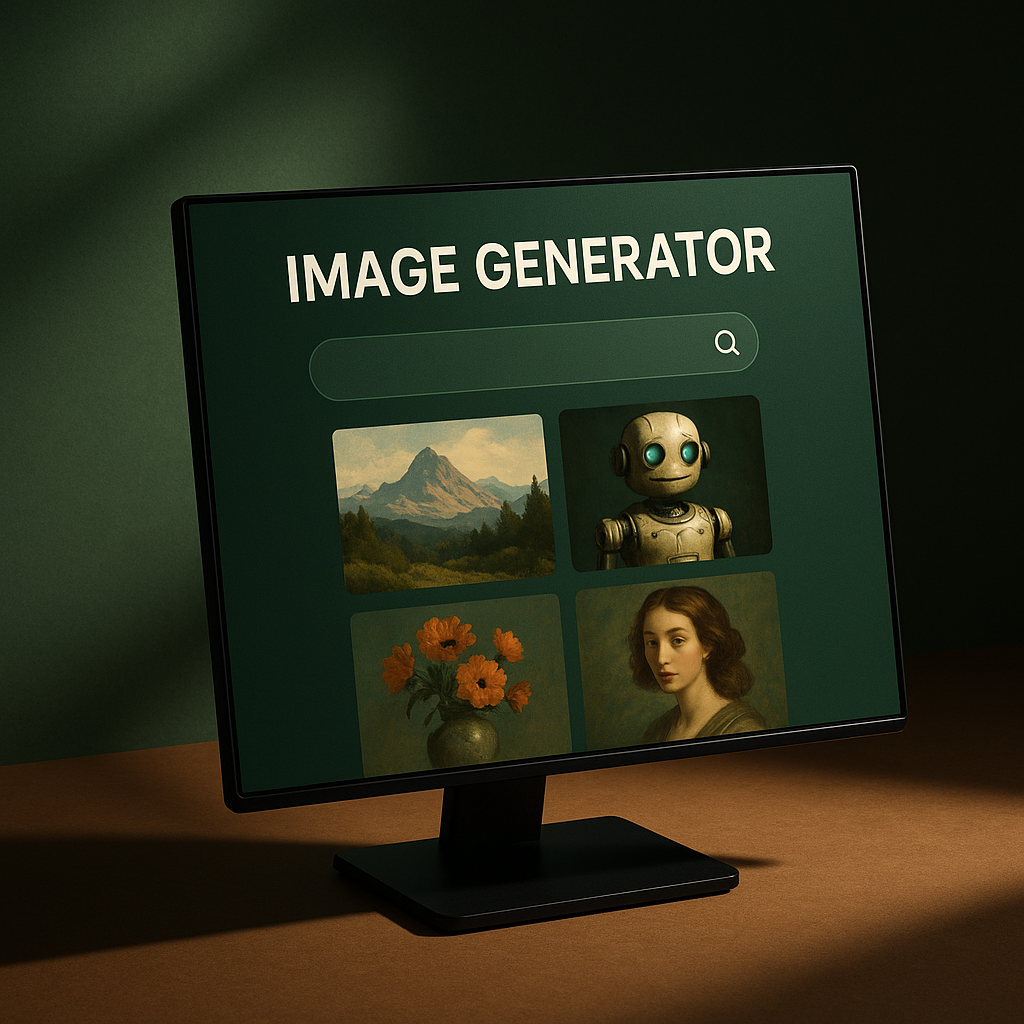
Unlocking Creativity: A Simple Guide to Using Image Generators for Beginners
червень 16, 2026
Maximum Potential
Отримайте повний досвід із планом Pro
ІНФОРМАЦІЯ