лютий 10, 2026
Unlocking Creativity: How Image Generators are Transforming Visual Content Creation
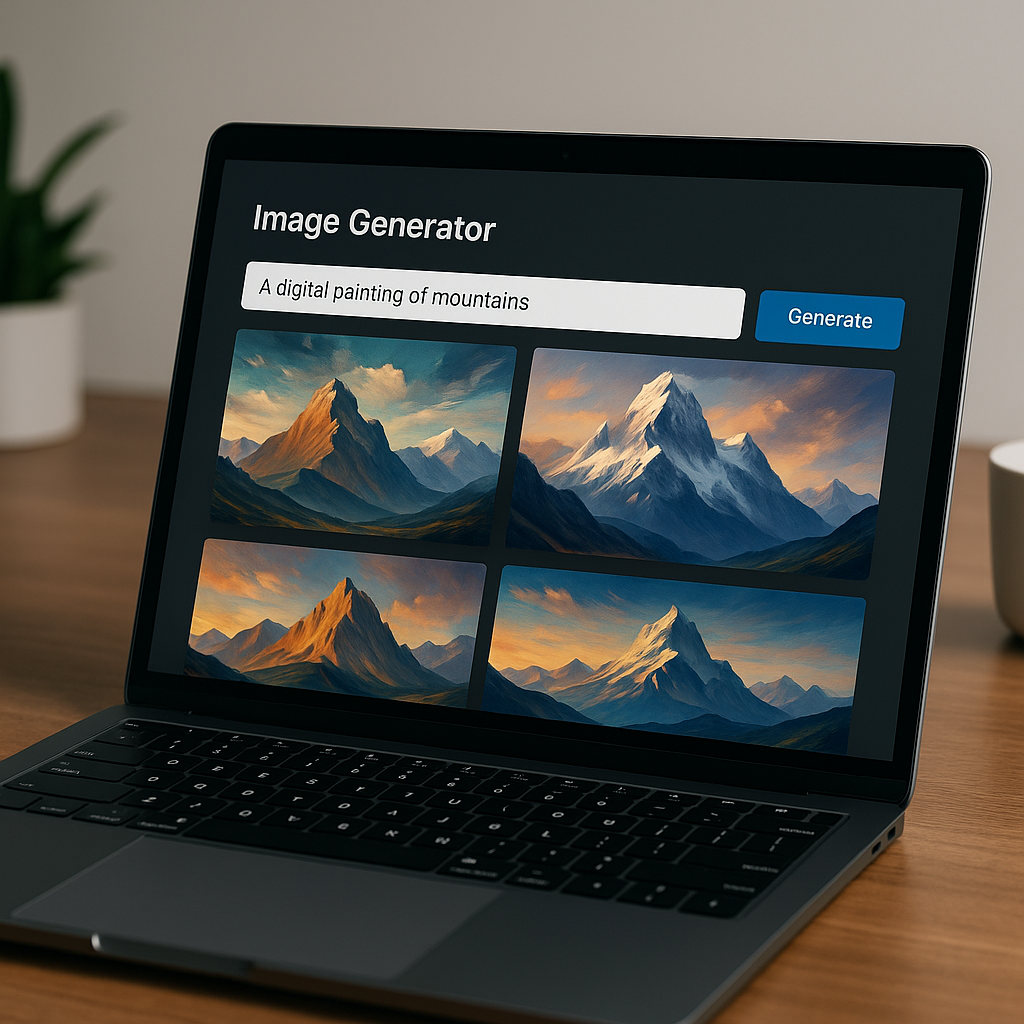
Image Generators
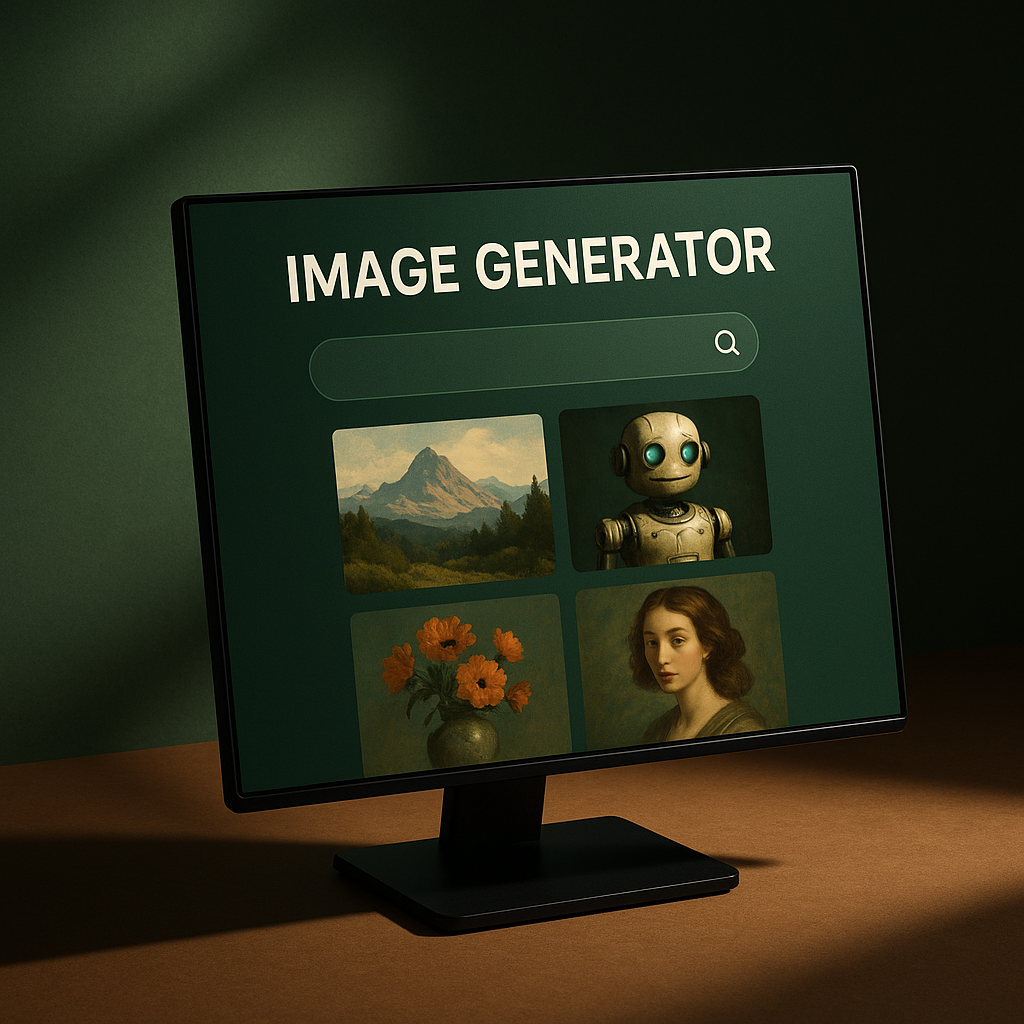
The rise of image generators marks a significant leap in the realm of artificial intelligence, reshaping how we create and perceive visual content. These advanced algorithms, powered by deep learning and neural networks, have garnered attention for their remarkable ability to produce high-quality images from textual prompts, effectively transforming language into visual art. As technology evolves, image generators are becoming indispensable tools across various industries, from marketing and design to entertainment and education.
Image generators, such as OpenAI’s DALL-E, Midjourney, and Stable Diffusion, have demonstrated impressive capabilities, enabling users to input simple descriptions and receive corresponding images that are often indistinguishable from those created by human artists. The underlying technology relies on a process called Generative Adversarial Networks (GANs), wherein two neural networks, the generator and the discriminator, work in tandem. The generator creates images while the discriminator evaluates them, providing feedback that helps improve the realism of the output.
One of the most appealing aspects of image generators is their accessibility. With just a few clicks, users can generate unique images tailored to their specifications, bypassing the need for traditional artistic skills or expensive graphic design software. This democratization of creativity is particularly evident in social media, where influencers and content creators leverage these tools to enhance their visual storytelling. The ability to generate bespoke images on demand allows for a more dynamic and engaging online presence.
The implications of image generators extend well beyond personal use. Businesses are increasingly integrating these tools into their workflows to streamline design processes and cut costs. For instance, advertising agencies are using image generators to create eye-catching visuals for campaigns, reducing the time and resources typically required for graphic design. In the realm of e-commerce, retailers can generate product images that showcase items in various settings, allowing customers to visualise their purchases more effectively.
However, the rise of image generators does not come without its challenges. Concerns about copyright infringement and the ethical use of AI-generated content are at the forefront of discussions surrounding this technology. As these algorithms learn from vast datasets of existing images, the potential for unintentional replication of copyrighted material raises questions about ownership and attribution. Creators and businesses must navigate this complex landscape to ensure they are not infringing on the rights of artists while also benefiting from the efficiencies offered by AI.
Moreover, the proliferation of AI-generated images poses a threat to traditional artists and designers. Many worry that these tools may undermine their livelihoods, as clients may opt for the cost-effective solution of using image generators instead of hiring skilled professionals. This shift in the creative landscape has prompted calls for the establishment of guidelines and regulations that protect human artists while fostering innovation in AI technologies.
In response to these concerns, some platforms are beginning to implement measures to ensure ethical usage of image generators. For example, OpenAI has introduced a content policy that prohibits the generation of harmful or misleading images. By setting standards for acceptable use, these companies aim to foster a responsible AI ecosystem that prioritises ethical considerations alongside technological advancements.
Another aspect of image generators that warrants attention is the potential for misuse. As these tools become more sophisticated, the risk of generating deepfakes—manipulated images or videos that can mislead viewers—has escalated. This phenomenon raises significant ethical and social implications, particularly in an age where misinformation can spread rapidly through digital channels. Vigilance will be necessary to prevent the exploitation of image generators for malicious purposes, such as creating fake news or defamatory content.
Despite the challenges, the potential benefits of image generators are immense. In education, for instance, these tools can enhance learning experiences by providing visual aids tailored to individual student needs. Teachers can generate illustrations that complement lesson plans, making complex concepts more accessible. Furthermore, the gaming industry is embracing image generators to create immersive environments and characters, allowing for a more dynamic gaming experience that evolves with player interaction.
As image generators continue to evolve, so too will their applications. The integration of augmented reality (AR) and virtual reality (VR) with AI-generated images holds immense promise. Imagine walking through a virtual gallery filled with art created on-the-fly by an image generator based on your preferences or experiencing a fully immersive gaming environment where the landscape shifts in real-time, responding to your actions. These scenarios are not far-fetched but rather a glimpse into the future of creative possibilities.
Moreover, the advancements in image generation technology have sparked a renewed interest in the interplay between AI and human creativity. Artists are beginning to explore the synergy between traditional techniques and AI-generated imagery, creating hybrid works that challenge our understanding of authorship and creativity. This collaboration could lead to a rich new genre of art that blends the precision of algorithms with the emotive nuances of human expression.
In conclusion, image generators represent a transformative force in the landscape of visual creativity. While they present both opportunities and challenges, their potential to revolutionise how we create and interact with images is undeniable. As society navigates this evolving terrain, it will be crucial to balance innovation with ethical considerations, ensuring that the benefits of this technology are harnessed responsibly. The future of image generation holds exciting possibilities, inviting us to rethink the boundaries of creativity in an increasingly digital world.
Recent Posts
Head-to-Head: Comparing Top AI Models in Работа с Нейросетями and Their Impact
червень 16, 2026
Debunking Myths: The Realities of Работа с Нейросетями and AI Models Today
червень 16, 2026
Unlocking Creativity: A Simple Guide to Using Image Generators for Beginners
червень 16, 2026

Maximum Potential
Отримайте повний досвід із планом Pro
ІНФОРМАЦІЯ