January 26, 2026
Revolutionizing Creativity: How Image Generators Are Changing the Art World
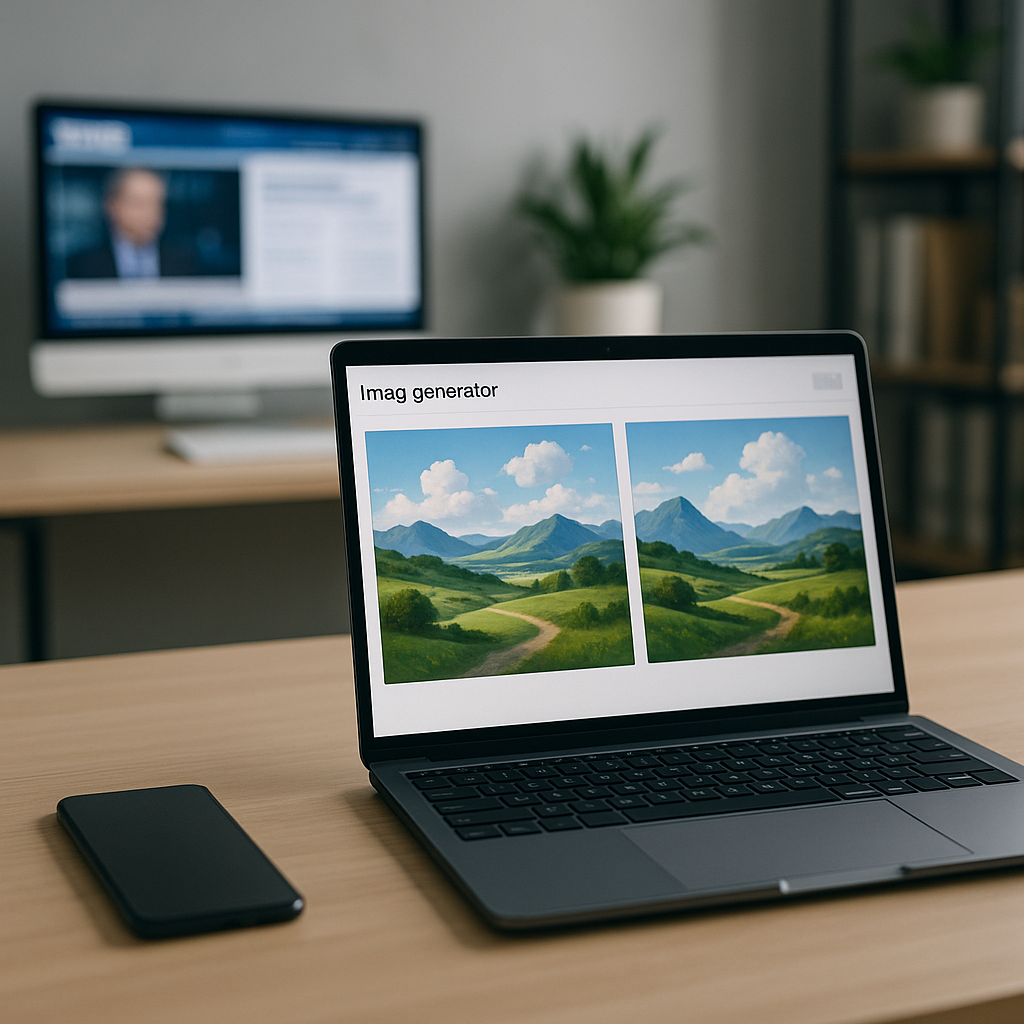
Image Generators
In recent years, image generators have emerged as a transformative technology, reshaping various industries by enabling the creation of stunning visuals through artificial intelligence. These systems, powered by advanced algorithms and deep learning techniques, have captured the imagination of artists, marketers, and technologists alike, offering new avenues for creativity and innovation.
The concept of image generation is not entirely new; however, recent advancements in machine learning, particularly in Generative Adversarial Networks (GANs), have significantly enhanced the quality and realism of generated images. GANs consist of two neural networks—the generator and the discriminator—competing against each other. The generator creates images while the discriminator evaluates them, providing feedback that helps the generator improve its output. This iterative process leads to the production of increasingly sophisticated images that can often be indistinguishable from those created by human artists.
Among the most notable image generators is OpenAI’s DALL-E, which gained widespread attention for its ability to generate unique images from textual descriptions. Users can input a phrase, and DALL-E will produce an image that embodies the text, sparking creativity in ways previously thought impossible. For example, asking DALL-E for “a two-headed flamingo wearing a top hat” results in a visually coherent and imaginative representation, demonstrating the system's understanding of both language and visual aesthetics.
Similarly, Midjourney and Stable Diffusion have gained popularity, offering distinct features and styles. Midjourney, for instance, emphasizes artistic creations, catering to designers and creatives seeking inspiration or unique graphics. Stable Diffusion, on the other hand, is an open-source model that allows users to run the image generation process on their own hardware, promoting accessibility and customization. This democratization of technology empowers a broader audience to experiment with image generation and integrate it into their workflows.
The applications of image generators are vast and varied. In the realm of marketing, businesses leverage these tools to create eye-catching advertisements and social media content. With the ability to generate tailored visuals quickly, brands can maintain a consistent and engaging online presence without the need for extensive graphic design resources. This not only saves time but also reduces costs associated with hiring professional designers for every campaign.
Moreover, the entertainment industry is harnessing the powers of image generators for concept art, storyboarding, and even character design. Filmmakers and game developers can visualize their ideas in real-time, allowing for more fluid collaboration and iteration. This technology also opens doors for independent creators who may lack the budget for high-end art production, enabling them to bring their visions to life with minimal investment.
In the field of education, image generators are proving to be valuable tools as well. Educators can create custom illustrations to enhance learning materials, helping students grasp complex concepts through visual representation. Additionally, art students can use these generators to explore different styles and techniques, providing a unique learning experience that combines traditional art practice with modern technology.
Despite the myriad benefits, the rise of image generators is not without controversy. Ethical concerns regarding copyright and ownership are at the forefront of discussions surrounding this technology. As these systems are trained on vast datasets, often scraped from the internet, questions arise about the originality of generated images and the potential infringement on the rights of original artists. Some creators worry that their work may be inadvertently used to train these models without their consent, leading to a loss of control over their intellectual property.
Furthermore, the potential for misuse is a significant concern. Image generators can create hyper-realistic images that can be used to spread misinformation or create deepfakes, raising alarm bells among policymakers and technologists alike. The ability to generate convincing images of events that never occurred poses risks to public trust and can exacerbate the spread of false narratives. As a result, there is a growing call for regulations and guidelines to govern the use of AI-generated content, ensuring responsible deployment and mitigating harmful consequences.
Industry leaders and researchers are actively exploring solutions to these challenges. Initiatives aimed at establishing clear guidelines for the ethical use of image generators are gaining traction. Some companies are developing watermarking techniques to identify AI-generated content, helping to distinguish it from human-created works. These measures not only protect artists but also enhance transparency in the digital landscape.
As image generators continue to evolve, their impact on creativity, productivity, and society will undoubtedly grow. The potential for collaboration between humans and AI in the creative process is immense, offering exciting possibilities for innovation. Many artists are beginning to embrace these technologies, seeing them as tools that can augment their work rather than replace it. The future may not be a competition between human artists and AI, but rather a partnership that enriches the creative landscape.
Looking ahead, the trajectory of image generators suggests that they will become increasingly integrated into our daily lives. As these technologies become more sophisticated and accessible, the barriers to entry for creativity will continue to diminish. From casual users wanting to create personalized artwork to professionals seeking to streamline their workflows, the applications are virtually limitless.
In conclusion, image generators represent a significant shift in the way we create and consume visual content. They are not just technological novelties; they are tools that can empower creativity, foster innovation, and challenge our perceptions of art and originality. However, as we embrace these advancements, it is crucial to navigate the ethical implications carefully, ensuring that the benefits of this technology are realized while safeguarding the rights and interests of creators and society at large. With continued dialogue and responsible practices, the future of image generation holds promise for a more vibrant and inclusive creative ecosystem.
Recent Posts
Breakthrough in Neural Networks: How New AI Models Revolutionize Global Tech
June 16, 2026
Head-to-Head: Comparing Neural Network Models and Their Impact on AI Work Today
June 16, 2026
New Breakthrough in Image Generators Promises to Revolutionize Artistic Expressi...
June 16, 2026
Maximum Potential
Get the full experience with Pro Plan
INFORMATION