January 20, 2026
Unleashing Creativity: How Image Generators Are Transforming Art and Design
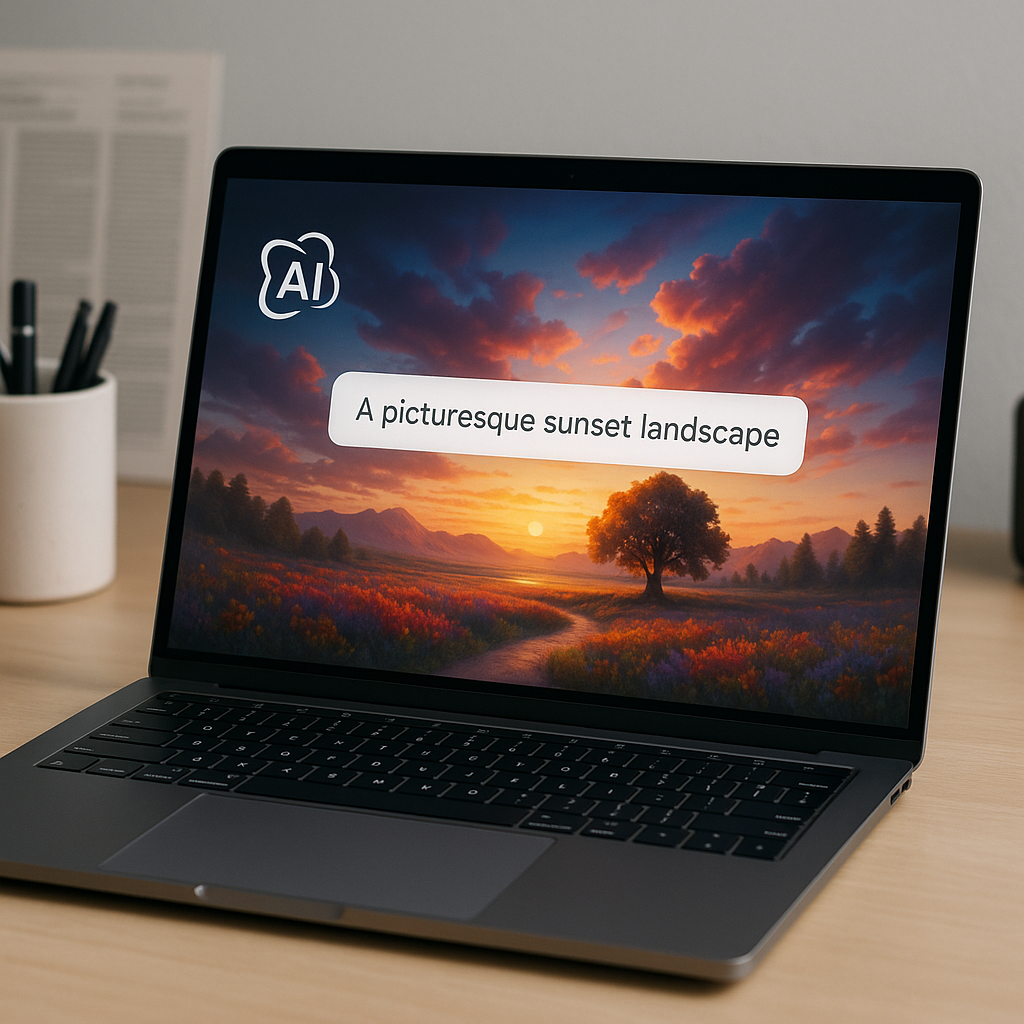
Image Generators
In recent years, image generators have emerged as a transformative technology in the realms of art, design, and content creation. These sophisticated tools, powered by artificial intelligence (AI), have captivated the imagination of creators and consumers alike, enabling the generation of visuals that range from hyper-realistic portraits to abstract art. As the technology matures, it raises essential questions about creativity, copyright, and the future of artistic professions.
Image generators utilize machine learning algorithms, particularly deep learning techniques, to analyze vast datasets of images. By learning patterns and styles from these datasets, they can produce novel images based on user input or prompts. One of the most recognized forms of image generators is the Generative Adversarial Network (GAN), which consists of two neural networks—the generator and the discriminator. The generator creates images, while the discriminator evaluates them against real images, pushing the generator to improve over time.
Major players in the AI art landscape include OpenAI with its DALL-E model, Google with Imagen, and Stability AI's Stable Diffusion. Each of these platforms has its unique features and capabilities, catering to different user needs. DALL-E, for instance, gained widespread attention for its ability to generate images from textual descriptions, showcasing an impressive understanding of context and creativity. Users can describe their desired image in detail, and DALL-E will produce a visual representation, which has sparked both excitement and debate about the implications of such technology.
One of the most significant advantages of image generators is their ability to democratize creativity. Individuals who may not have formal training in art or design can now create stunning visuals with just a few clicks. This accessibility has empowered a new generation of creators, allowing them to express ideas, tell stories, and enhance projects without the need for expensive software or extensive artistic skills. As a result, we are witnessing a surge in user-generated content across social media platforms, where stunning visuals often go viral, showcasing the potential of these technologies.
Furthermore, the rapid evolution of image generators has significant implications for various industries. In advertising, for instance, marketers can quickly generate eye-catching images tailored to specific campaigns, reducing both time and costs associated with traditional photography and graphic design. In the gaming industry, developers can use these tools to create unique textures and environments, enhancing the visual richness of their games while streamlining production processes.
However, the rise of image generators is not without its challenges. One of the most pressing concerns involves copyright and ownership issues. As these AI models are trained on existing artworks, there is an ongoing debate about whether the outputs can be considered original creations or derivative works. Artists and creators are increasingly voicing their concerns about the potential for AI-generated images to infringe on their intellectual property rights, leading to calls for clearer regulations and guidelines in the digital art space.
Moreover, the potential for misuse of image generators cannot be overlooked. The same technology that allows for the creation of beautiful art can also be exploited to produce misleading or harmful content. Deepfakes, for instance, are an alarming byproduct of image generation technology, where realistic images and videos can be manipulated to misrepresent individuals or events. This raises ethical questions about the responsibilities of developers and users in ensuring that these powerful tools are used responsibly and ethically.
As the technology continues to evolve, so too does the conversation surrounding its implications. The rise of AI-generated art has led to a renaissance of discourse about the nature of creativity itself. What does it mean to be an artist in an age where machines can produce compelling visuals? Are the outputs of these generators merely reflections of the data they were trained on, or can they embody genuine creativity and expression? These questions are prompting artists, philosophers, and technologists to explore the intersection of human creativity and machine intelligence more deeply.
In response to these developments, some artists are beginning to embrace image generators as tools rather than threats. By collaborating with AI, they can explore new creative possibilities and push the boundaries of traditional art forms. This shift from viewing AI as a competitor to seeing it as a partner in the creative process represents a significant cultural change in how we perceive technology in the arts.
Educational institutions are also adapting to this changing landscape. Art and design programs are increasingly incorporating lessons on AI tools, teaching students how to leverage these technologies in their work. This prepares the next generation of creators to navigate a world where AI plays an integral role in the creative process, ensuring that they are equipped with the skills needed to thrive in an evolving industry.
Looking ahead, the future of image generators appears promising, with ongoing advancements in AI technology likely to yield even more sophisticated and versatile tools. As these generators become more refined, the quality of the images produced will continue to improve, blurring the lines between human-made and machine-generated art. This evolution may lead to new genres and styles of art, redefining artistic expression in the 21st century.
In conclusion, image generators represent a significant shift in the creative landscape, offering both opportunities and challenges. As they democratize art and design, they also raise critical questions about copyright, creativity, and ethical use. By engaging with these technologies thoughtfully, artists, technologists, and society at large can harness the power of AI to enrich our visual culture while ensuring that the principles of creativity and integrity remain at the forefront of this new artistic frontier.
Recent Posts
Breakthrough in Neural Networks: How New AI Models Revolutionize Global Tech
June 16, 2026
Head-to-Head: Comparing Neural Network Models and Their Impact on AI Work Today
June 16, 2026
New Breakthrough in Image Generators Promises to Revolutionize Artistic Expressi...
June 16, 2026
Maximum Potential
Get the full experience with Pro Plan
INFORMATION