January 27, 2026
Unlocking Creativity: How Image Generators Are Transforming Art and Design
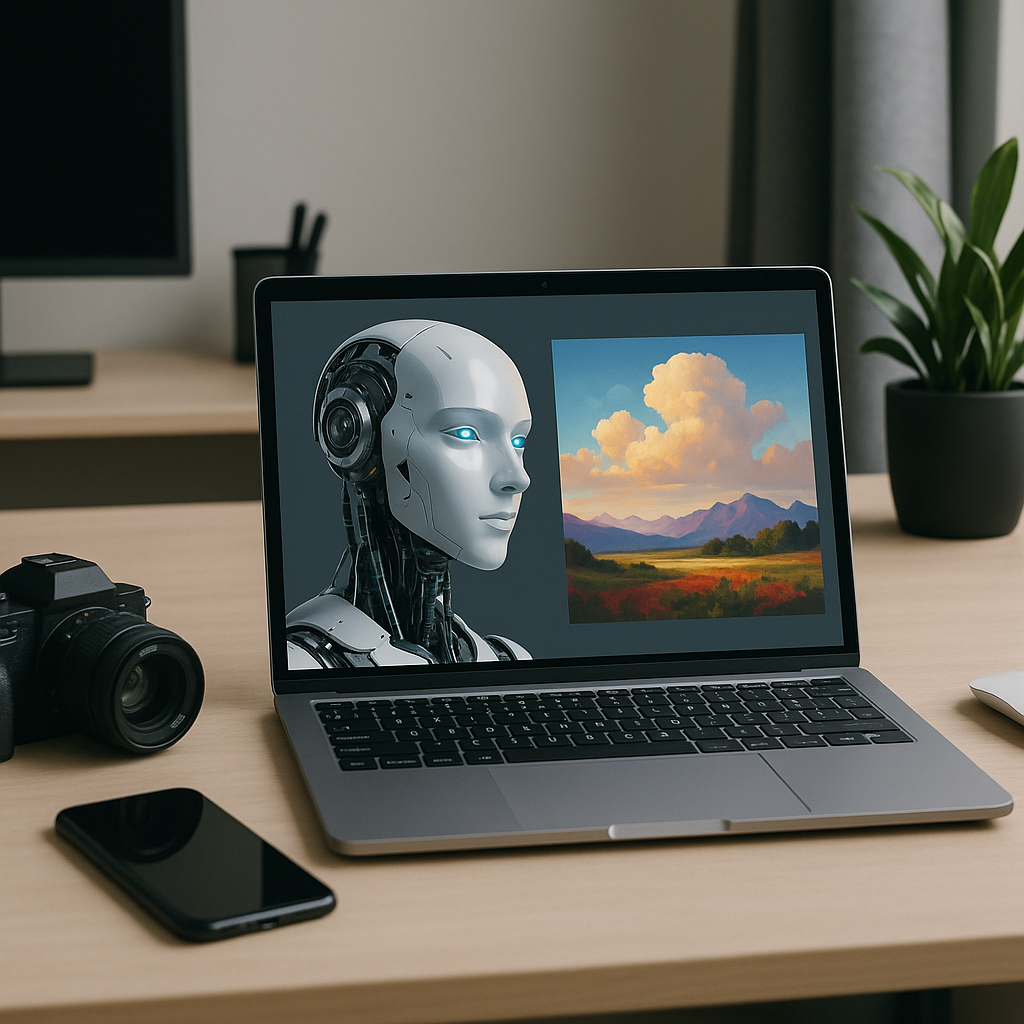
Image Generators
The landscape of digital creativity has been transformed by the rise of image generators, powerful tools that utilize artificial intelligence to create visuals from textual descriptions. This technology has seen exponential growth in popularity and application, marking a significant shift in how content is produced across various industries. From artists and marketers to educators and filmmakers, image generators are reshaping the creative process and broadening the horizons of digital expression.
At the core of these image generators is a type of artificial intelligence known as Generative Adversarial Networks (GANs) or diffusion models. These systems are trained on vast datasets of images and corresponding textual descriptions, allowing them to learn the intricate relationships between language and visual representation. As a result, users can input simple prompts, and the AI will produce detailed images that reflect the essence of the text. This level of sophistication has made image generation accessible not only to seasoned professionals but also to amateurs and hobbyists looking to experiment with visual content creation.
The accessibility of image generators has democratized art and design, enabling individuals without formal training to produce high-quality images. Platforms such as DALL-E, Midjourney, and Stable Diffusion have emerged as frontrunners in this field, each offering unique features and capabilities. These tools have made it possible for anyone with an idea to visualize it, fostering a new wave of creativity that transcends traditional artistic boundaries.
For artists, the implications of image generators are profound. Many creators have embraced these tools as a means to enhance their work, using AI-generated images as inspiration or as components in larger projects. The collaboration between human creativity and machine intelligence has led to innovative outcomes, pushing the boundaries of what is considered art. Some artists even challenge the notion of authorship, questioning whether an AI-generated piece can hold the same value as one created by human hands. This ongoing debate is indicative of the broader cultural implications of AI in creative fields.
In addition to enhancing artistic expression, image generators are making waves in the marketing and advertising sectors. Companies are increasingly utilizing these tools to create engaging visuals for social media, websites, and promotional materials. The ability to generate customized images quickly allows businesses to stay relevant in a fast-paced digital environment. Marketers can now tailor visuals to specific campaigns, target audiences, and current trends without the need for extensive graphic design resources.
Moreover, the educational sector is beginning to harness the power of image generation. Educators can create custom illustrations to complement lesson plans, making complex concepts more understandable for students. This capability is particularly beneficial in fields like science and history, where visuals can enhance learning by providing context and stimulating interest. The potential for personalized learning experiences through AI-generated imagery is vast, opening doors to innovative teaching methods.
However, the rise of image generators is not without its challenges and ethical considerations. As these technologies become more sophisticated, concerns about copyright infringement and the potential for misuse have emerged. For instance, AI-generated images can inadvertently replicate existing artworks or styles, leading to questions about ownership and originality. The line between inspiration and imitation can blur, prompting calls for clearer guidelines and regulations surrounding AI-generated content.
Furthermore, the potential for generating misleading or harmful imagery raises significant ethical dilemmas. With the ability to create hyper-realistic images, there is a risk that these tools could be used to produce fake news or disinformation campaigns. As such, the responsibility lies with both developers and users to ensure that image generation is employed ethically and transparently. The development of watermarking techniques and AI detection tools may be essential in combating the misuse of generated content.
As the technology continues to evolve, the future of image generators looks promising yet complex. Innovations are on the horizon, with advancements in AI potentially leading to even more nuanced and contextually aware image generation. The integration of features such as style transfers, emotion recognition, and real-time interactions could significantly enhance user experiences and outcomes. It is conceivable that in the near future, users may be able to engage in a dialogue with the AI, refining and adjusting outputs in real-time to achieve desired results.
Moreover, the integration of image generators with other AI technologies, such as natural language processing and machine learning, could unlock new possibilities for creative collaboration. As these systems become more interconnected, the potential for creating multimedia projects that seamlessly blend text, sound, and visuals could redefine storytelling and content creation.
In conclusion, image generators represent a pivotal development in the intersection of technology and creativity. They are not merely tools for producing images but catalysts for reimagining artistic expression and communication in the digital age. As society grapples with the implications of this technology, it is crucial to foster a dialogue about its ethical use, ensuring that creativity thrives while navigating the challenges that accompany innovation. The journey of image generation is just beginning, and its impact will undoubtedly resonate across various fields for years to come.
Recent Posts
Breakthrough in Neural Networks: How New AI Models Revolutionize Global Tech
June 16, 2026
Head-to-Head: Comparing Neural Network Models and Their Impact on AI Work Today
June 16, 2026
New Breakthrough in Image Generators Promises to Revolutionize Artistic Expressi...
June 16, 2026
Maximum Potential
Get the full experience with Pro Plan
INFORMATION