February 11, 2026
Revolutionizing Creativity: How Image Generators Are Shaping Digital Art Today
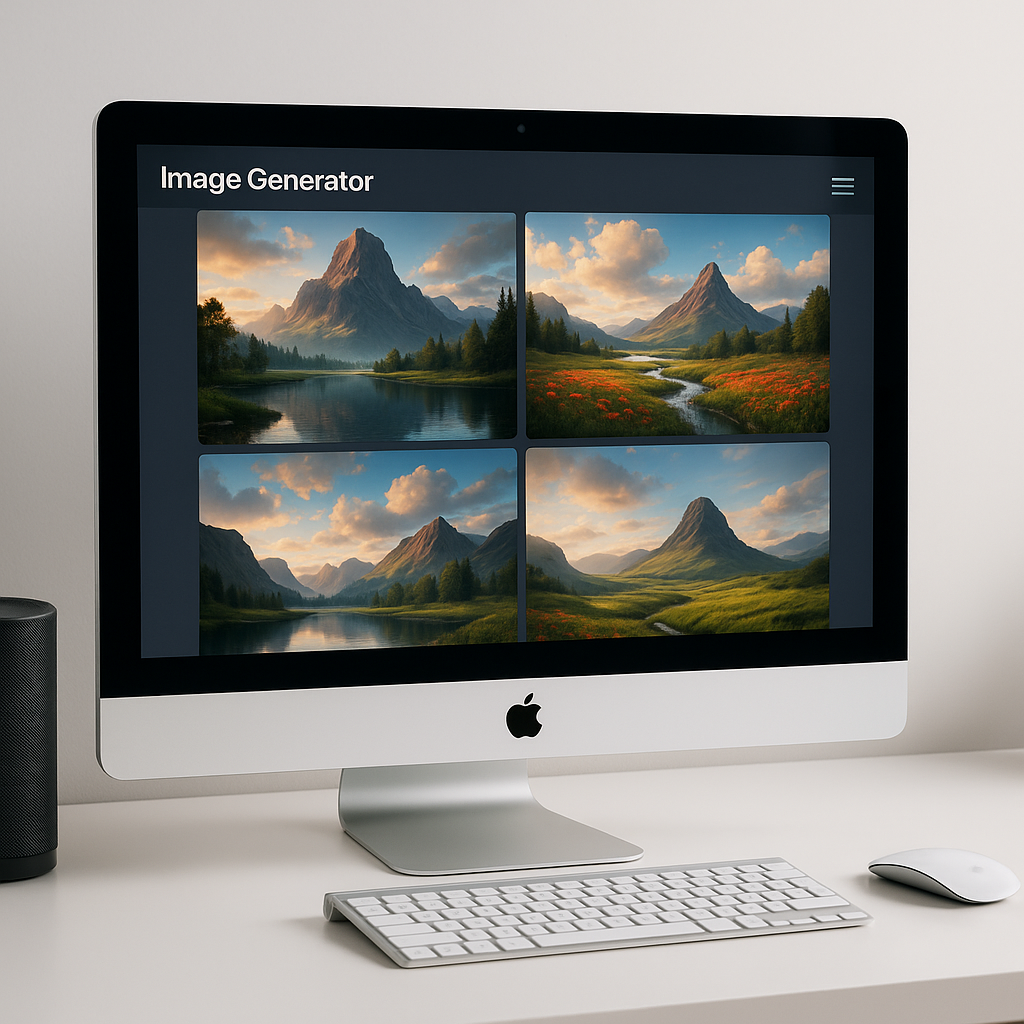
Image Generators
In recent years, the rise of artificial intelligence has led to significant advancements in the field of image generation. These technologies have transformed how we create and interact with visual content, enabling individuals and businesses to produce stunning images with little more than a few words or prompts. Image generators, powered by sophisticated algorithms and deep learning models, are becoming increasingly prevalent in various sectors, from entertainment to advertising and beyond.
At the heart of this technological revolution are generative adversarial networks (GANs) and diffusion models. GANs utilize two neural networks—the generator and the discriminator—which work against each other to produce high-quality images. The generator creates images, while the discriminator evaluates them, providing feedback that helps the generator improve its outputs. This iterative process results in the creation of images that can often be indistinguishable from real photographs. On the other hand, diffusion models generate images by gradually transforming random noise into coherent images through a series of steps, refining the output until it resembles the intended concept.
One of the most notable developments in image generation technology has been the introduction of tools like OpenAI's DALL-E, Midjourney, and Stability AI's Stable Diffusion. These platforms have captured public interest by allowing users to generate images from textual descriptions. For instance, a user can input a prompt such as "a futuristic cityscape at sunset," and the AI will produce a unique image based on that description. Such capabilities have opened up new avenues for creativity, enabling artists, designers, and marketers to explore concepts that may have previously been difficult or time-consuming to visualize.
The implications of image generation technology extend far beyond artistic expression. In the advertising industry, for example, marketers can create personalized visuals tailored to specific demographics or campaigns without the need for extensive photoshoots. This not only reduces costs but also accelerates the production process, allowing brands to respond quickly to market trends. Furthermore, businesses can utilize these tools to create product mock-ups or promotional materials, enhancing their ability to engage with consumers in an increasingly digital marketplace.
However, the rise of image generators also raises significant ethical concerns. One of the most pressing issues is the potential for misuse. Generated images can be used to create misleading or harmful content, such as deepfakes or disinformation campaigns. As the technology becomes more accessible, the risk of generating fraudulent images that can deceive the public grows, prompting calls for regulations and guidelines to govern the use of such tools.
Another ethical consideration is the question of copyright and ownership. When an AI generates an image, who holds the rights to that work? Traditionally, copyright law has recognized the creator of a work as its owner. However, with AI-generated content, the line becomes blurred. As these technologies continue to evolve, legal frameworks will need to adapt to address these new challenges, ensuring that artists and creators are protected while also fostering innovation in the field.
Moreover, the impact of image generators on the job market cannot be overlooked. As these tools become more sophisticated, there is a growing concern that they may displace human artists and designers. While some argue that AI will augment creativity rather than replace it, there is no denying that the landscape of creative professions is changing. Many professionals are beginning to incorporate AI tools into their workflows, using them as a source of inspiration or a means to enhance their productivity. This shift could lead to a redefinition of roles within the creative industries, where collaboration between humans and machines becomes the norm.
Despite these challenges, the potential benefits of image generators are immense. For educators, these tools can serve as an engaging way to teach concepts related to art, design, and technology. Students can experiment with creating their own images, fostering a deeper understanding of visual storytelling and digital media. In fields like architecture and product design, image generators can facilitate rapid prototyping, allowing designers to visualize their ideas in real time and iterate on designs more efficiently.
Moreover, the democratization of image creation brought about by these technologies cannot be understated. Individuals without formal training in art or design can now produce high-quality images, breaking down barriers that once existed in creative fields. This accessibility has the potential to unleash a wave of creativity from diverse voices, leading to a richer tapestry of visual culture.
As we look to the future, the evolution of image generators will likely continue at a rapid pace. Researchers are constantly working to refine algorithms, improve image quality, and expand the capabilities of these systems. With advancements in hardware and software, we may soon witness the development of tools that can generate not only static images but also dynamic visuals and immersive experiences, such as virtual and augmented reality environments.
In conclusion, image generators represent a fascinating intersection of technology and creativity. While they present unique challenges, they also offer unprecedented opportunities for innovation and expression. As society navigates the complexities of this new landscape, it will be crucial to strike a balance between harnessing the power of these tools and addressing the ethical concerns they raise. Ultimately, the future of image generation will depend on how we choose to integrate these technologies into our lives, shaping the way we create, share, and perceive visual content for generations to come.
Recent Posts
Breakthrough in Neural Networks: How New AI Models Revolutionize Global Tech
June 16, 2026
Head-to-Head: Comparing Neural Network Models and Their Impact on AI Work Today
June 16, 2026
New Breakthrough in Image Generators Promises to Revolutionize Artistic Expressi...
June 16, 2026

Maximum Potential
Get the full experience with Pro Plan
INFORMATION