April 15, 2026
Revolutionizing Creativity: How Image Generators Are Transforming Visual Art
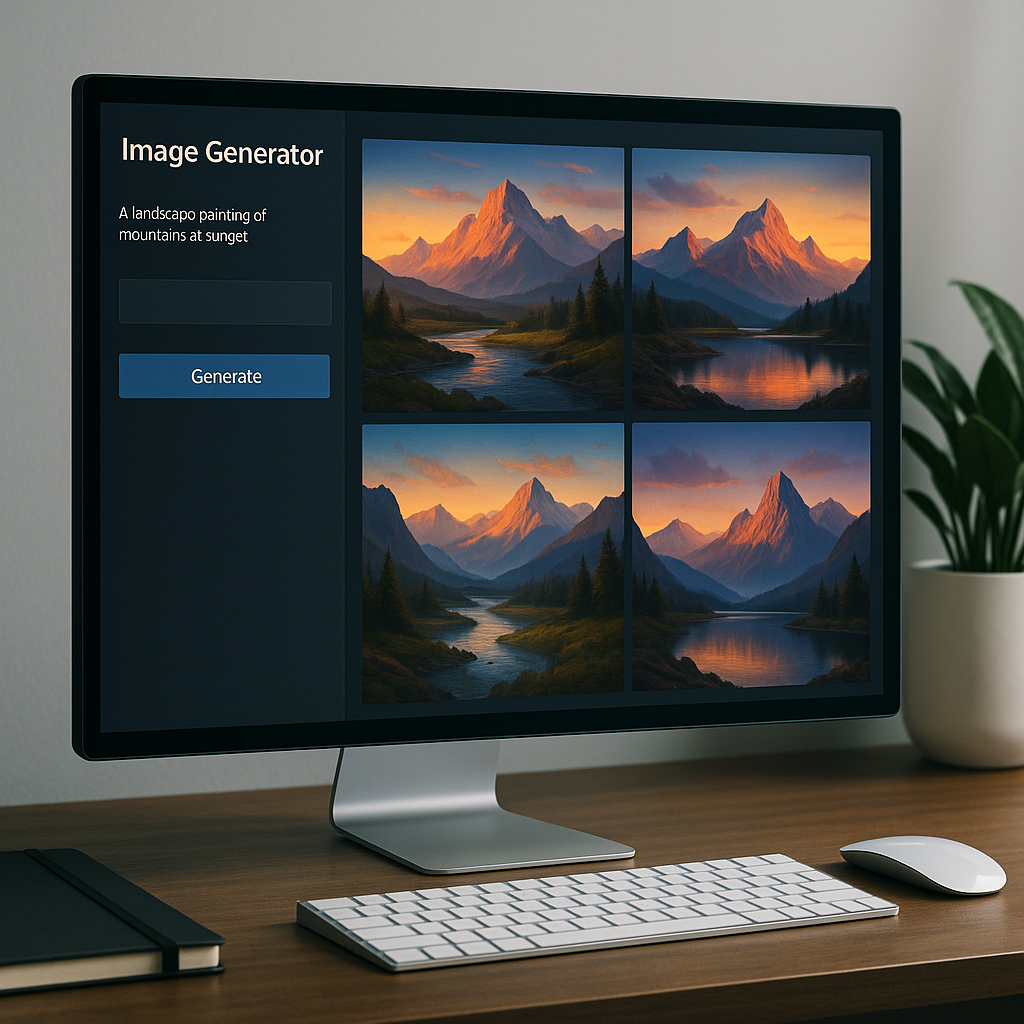
Image Generators
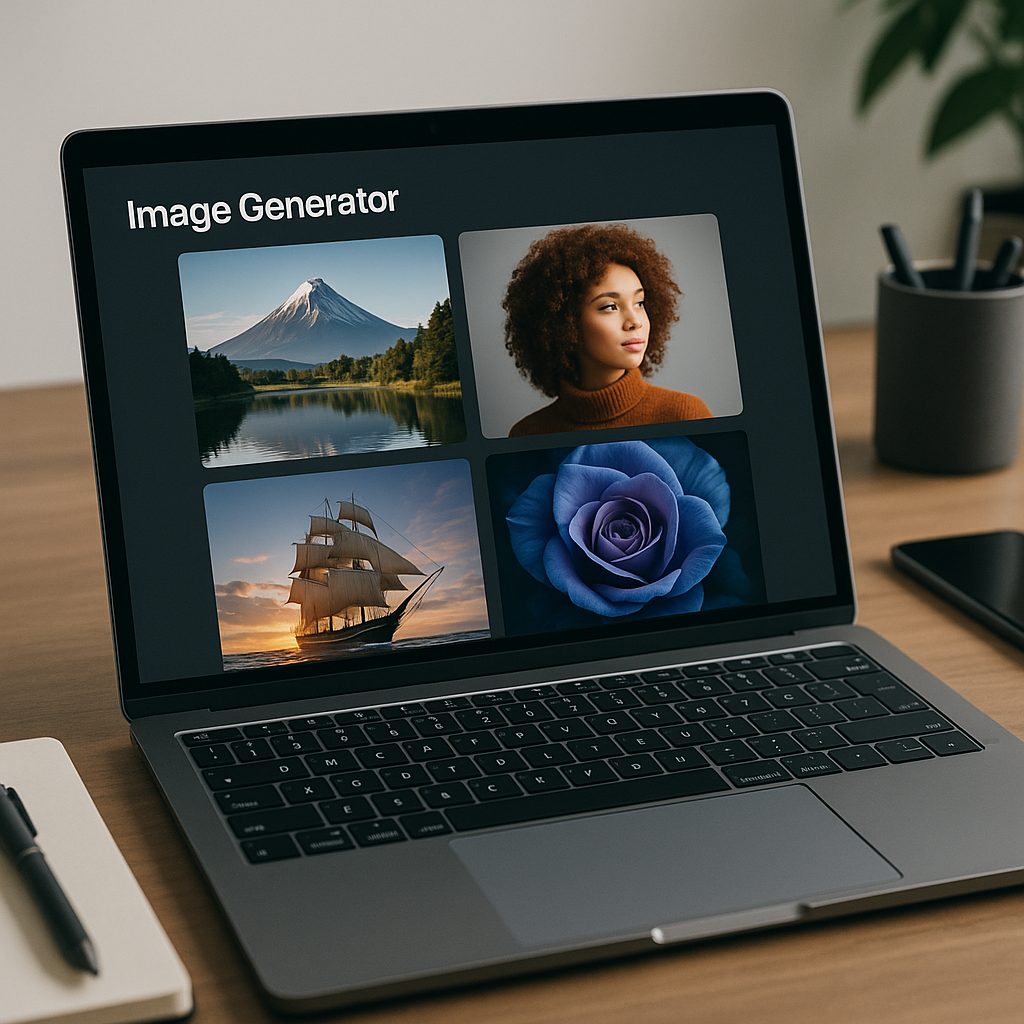
The rapid evolution of artificial intelligence (AI) has transformed numerous industries, with image generators standing out as one of the most fascinating developments. These innovative tools leverage sophisticated algorithms to create visually compelling images from textual descriptions, fundamentally changing how individuals and businesses approach graphic design, marketing, and creative expression. With applications ranging from art creation to product design, image generators are reshaping the creative landscape in remarkable ways.
At the heart of these image generators lie advanced machine learning models, particularly Generative Adversarial Networks (GANs) and diffusion models. GANs consist of two neural networks—the generator and the discriminator—that work in tandem. The generator creates images, while the discriminator evaluates them, providing feedback that enables the generator to improve its output continuously. This back-and-forth process results in highly realistic images, often indistinguishable from those created by human artists.
Diffusion models, on the other hand, operate by gradually transforming random noise into coherent images. This method has gained popularity for its ability to produce high-quality visuals with intricate details and diverse styles. Leading platforms such as OpenAI's DALL-E, Midjourney, and Stability AI's Stable Diffusion have harnessed these technologies, allowing users to generate images simply by providing descriptive text prompts.
The implications of image generators extend well beyond artistic endeavors. In the marketing sector, businesses are increasingly using these tools to create unique visuals that capture consumer attention. Custom graphics for social media posts, website banners, and advertising campaigns can be produced rapidly and at a fraction of the cost of traditional design methods. This democratization of design empowers small businesses and individuals, leveling the playing field against larger corporations with extensive creative teams.
Moreover, the gaming industry is experiencing a renaissance due to image generators. Game developers can utilize these AI tools to create assets, environments, and characters, significantly reducing development time and costs. Artists can experiment with diverse styles and concepts, enhancing the overall quality and creativity of game design. As a result, players are witnessing more immersive and visually stunning gaming experiences.
In the realm of education, image generators have become invaluable tools for both instructors and students. Educators can generate illustrative materials for presentations, making complex concepts more accessible. Students, particularly those in design and art programs, can leverage these generators to enhance their portfolios and explore new creative avenues. This integration of AI in educational settings fosters innovation and encourages a new generation of artists and designers to push the boundaries of their craft.
Despite their potential, the rise of image generators also raises ethical and legal questions. Issues surrounding copyright infringement and the ownership of AI-generated art are hotly debated. Who owns the rights to an image created by an algorithm? Is it the user who provided the prompt, the developers of the AI, or no one at all? As these technologies become more widely adopted, the legal framework surrounding intellectual property will need to evolve to address these challenges adequately.
Additionally, concerns about the potential misuse of image generators are increasingly prominent. The ability to create realistic images can facilitate the spread of misinformation, including deepfakes and manipulated images that can deceive audiences. As a result, the importance of developing responsible AI practices and implementing safeguards to prevent the misuse of these technologies cannot be overstated. Developers and stakeholders must work collaboratively to establish ethical guidelines that promote the responsible use of AI-generated content.
Moreover, the impact of image generators on the creative industry is stirring discussions about the future of human artistry. Some fear that the proliferation of AI-generated art may devalue the work of traditional artists, leading to a homogenization of creative expression. Others view these tools as complementary, allowing artists to explore new dimensions of creativity and innovation. The reality likely lies somewhere in between; while AI can produce impressive visuals, the human touch—characterized by emotion, context, and unique perspectives—remains irreplaceable.
As image generators continue to advance, the technology is poised to become an integral part of various creative processes. Future developments may include enhanced user interfaces, improved understanding of context in prompts, and even real-time collaboration between AI and human artists. Such innovations could further blur the lines between human creativity and machine-generated content, prompting society to reconsider what it means to create.
In conclusion, image generators represent a paradigm shift in the creative landscape, offering unprecedented opportunities and challenges. As these technologies evolve, they will undoubtedly impact numerous sectors, from marketing and gaming to education and beyond. Addressing the ethical implications and fostering responsible use will be crucial as society navigates this new frontier. The future of creativity may be a collaborative tapestry woven from both human ingenuity and artificial intelligence, leading to a rich and diverse array of artistic expression.
Recent Posts
Unleashing Creativity: How Image Generators Are Transforming Art and Design
January 20, 2026
Unlocking Creativity: How Image Generators Are Transforming Art and Design
January 27, 2026
Unlock Your Creativity: How Image Generators Are Transforming Digital Artistry
January 21, 2026
Maximum Potential
Get the full experience with Pro Plan
INFORMATION