February 19, 2026
Unleashing Creativity: How Image Generators are Revolutionizing Digital Art
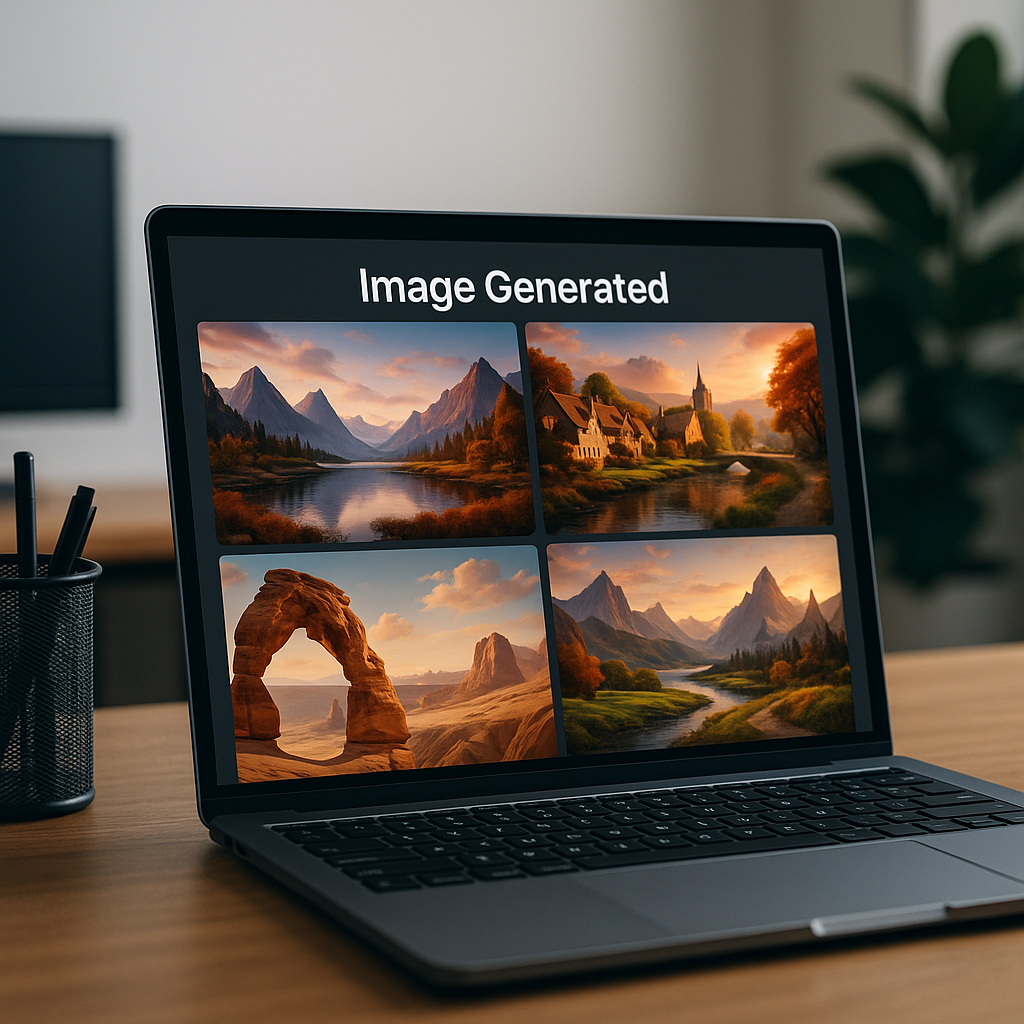
Image Generators
In recent years, the rise of image generators has marked a significant turning point in the fields of art, design, and content creation. These advanced tools leverage artificial intelligence (AI) and machine learning algorithms to produce images based on text prompts, making them invaluable assets for artists, marketers, and creatives alike. As technology continues to evolve, the capabilities of these generators have expanded, raising questions about creativity, authenticity, and the future of visual content.
Image generators have gained considerable attention due to their ability to create stunning visuals quickly and efficiently. Platforms such as DALL-E by OpenAI, Midjourney, and Stable Diffusion are at the forefront of this innovation, each offering unique features and capabilities. DALL-E, for instance, can generate images from intricate textual descriptions, transforming simple phrases into detailed and imaginative visuals. The results can range from photorealistic landscapes to whimsical illustrations, showcasing the versatility of AI in understanding and interpreting human language.
Midjourney, another popular tool, operates through a collaborative Discord server where users can input commands to generate images. This community-driven approach not only fosters creativity but also encourages experimentation, allowing users to refine their prompts and collaborate on visual projects. Meanwhile, Stable Diffusion boasts an open-source model that enables developers to customize the image generation process, providing greater accessibility for those looking to harness the power of AI in their work.
The implications of these image generators are profound. For artists and designers, the technology presents both opportunities and challenges. On one hand, image generators can serve as powerful tools for inspiration, helping creatives brainstorm ideas and visualize concepts that may have otherwise remained abstract. By generating multiple iterations of a single idea, artists can explore new directions and refine their work more efficiently. Furthermore, these tools can democratize art creation, allowing individuals with limited artistic skills to produce high-quality visuals.
However, the rise of image generators also raises ethical concerns regarding originality and authorship. As AI becomes more capable of producing art, the line between human creativity and machine-generated content blurs. Questions arise about who owns the rights to images created by AI, and whether these tools could devalue the work of traditional artists. Critics argue that relying on image generators may lead to a homogenization of visual culture, where unique artistic voices are overshadowed by algorithmically generated content.
Moreover, the issue of bias in AI-generated images cannot be overlooked. The data used to train these models often reflects existing societal biases, which can result in the perpetuation of stereotypes or the exclusion of diverse perspectives. For instance, an image generator trained predominantly on Western art may struggle to accurately represent non-Western cultures, raising concerns about representation and inclusivity in the digital art space. As the technology continues to evolve, developers must prioritize fairness and diversity in the datasets used to train these models.
In addition to ethical considerations, the practical applications of image generators are vast. Businesses are increasingly turning to these tools for marketing and advertising purposes. With the ability to create compelling visuals on demand, companies can enhance their branding efforts and engage audiences more effectively. From social media posts to product packaging, image generators enable brands to produce eye-catching content that captures consumer attention in a crowded digital landscape.
Furthermore, the film and gaming industries are beginning to embrace image generators for concept art and pre-visualization. By generating initial designs for characters, environments, and props, creators can streamline the development process and explore a wider range of creative possibilities. This integration of AI into the creative workflow not only accelerates production but also allows for more innovative storytelling.
As image generators become more sophisticated, they are also taking on new forms. Some platforms now offer video generation capabilities, enabling users to create short animations or video clips based on text prompts. This evolution opens the door to entirely new genres of content, merging the worlds of visual art and motion graphics in unprecedented ways. The potential for combining image and video generation could redefine how stories are told and experienced in digital media.
Despite the rapid advancement of image generators, they are not without limitations. While these AI models can produce visually striking results, they often lack a deep understanding of context, emotion, and cultural nuances that human artists inherently possess. This limitation can lead to unexpected or nonsensical outputs, reminding users that, despite the impressive capabilities of AI, human creativity remains irreplaceable. The ideal approach may lie in using image generators as collaborative tools rather than substitutes for human artistry.
Looking ahead, the future of image generators is both exciting and uncertain. As technology continues to evolve, we can expect further improvements in the accuracy and creativity of AI-generated images. Developers are likely to focus on enhancing the models' understanding of context and emotion, bridging the gap between human creativity and machine learning. Additionally, as discussions surrounding copyright and ownership of AI-generated content become more prominent, legal frameworks will need to adapt to address the complexities of this new digital landscape.
In conclusion, image generators represent a remarkable intersection of art and technology, offering new possibilities for creativity and expression. While they empower users to create stunning visuals with ease, they also prompt critical conversations about authenticity, ethics, and the role of human creativity in a rapidly changing world. As we navigate this new frontier, it is essential to approach these tools with both enthusiasm and caution, recognizing their potential while remaining vigilant about the challenges they present. The future of image generation is bright, but it will require a thoughtful and collaborative approach to ensure that it enhances rather than diminishes the rich tapestry of human artistry.
Recent Posts
Breakthrough in Neural Networks: How New AI Models Revolutionize Global Tech
June 16, 2026
Head-to-Head: Comparing Neural Network Models and Their Impact on AI Work Today
June 16, 2026
New Breakthrough in Image Generators Promises to Revolutionize Artistic Expressi...
June 16, 2026
Maximum Potential
Get the full experience with Pro Plan
INFORMATION