January 31, 2026
Unleashing Creativity: How Image Generators are Revolutionizing Digital Art
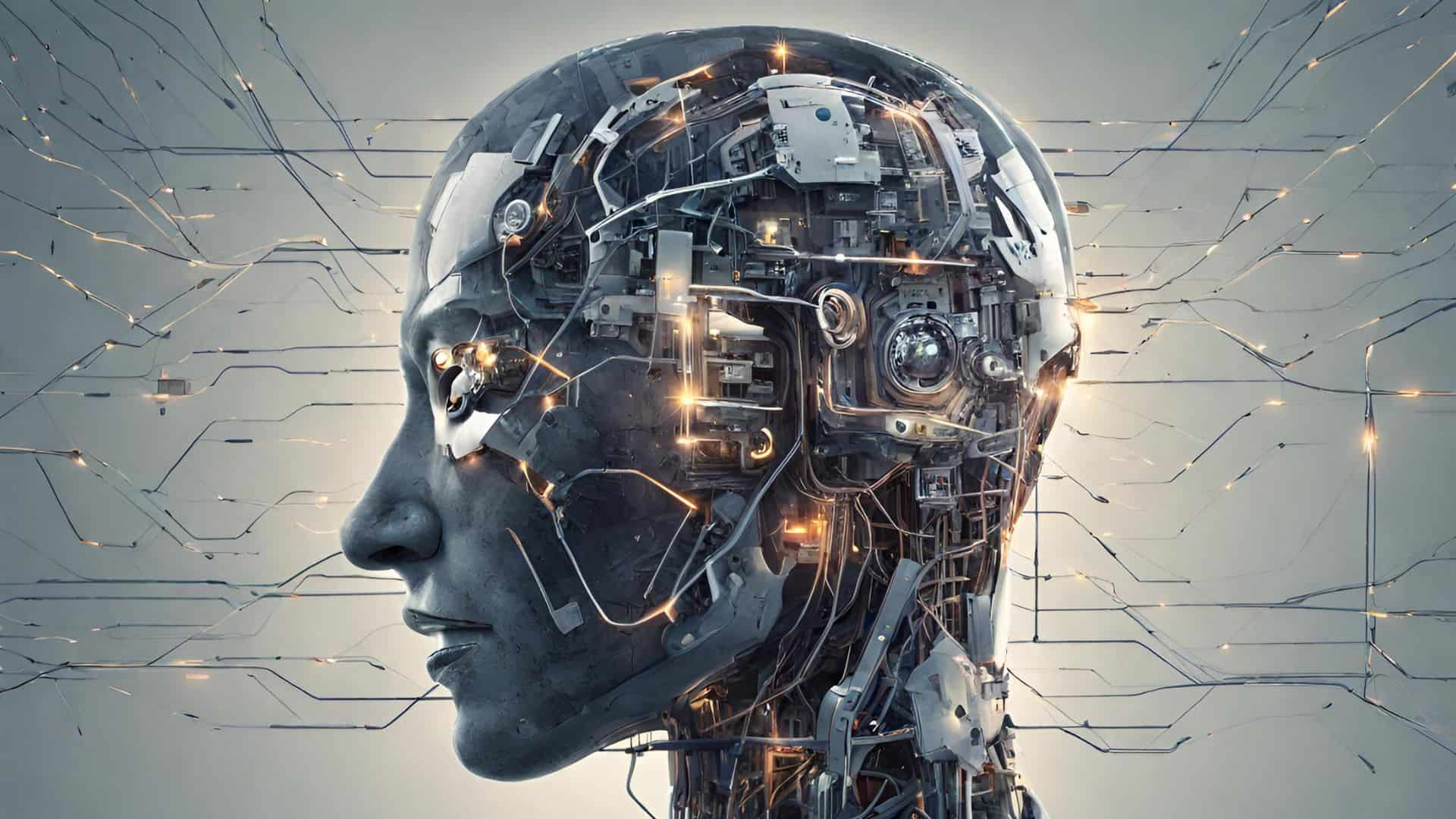
Image Generators
In recent years, the landscape of digital creativity has undergone a revolutionary transformation, largely propelled by the advent of image generators powered by artificial intelligence (AI). These sophisticated tools have not only democratized the creation of visual content but have also sparked discussions about the implications of technology in art, copyright, and the future of creative professions.
Image generators utilize deep learning techniques, particularly generative adversarial networks (GANs) and diffusion models, to produce images from textual descriptions or to enhance existing images. This technology allows users to input simple text prompts, which the AI then interprets and translates into visual representations. The results can range from hyper-realistic portraits to abstract designs, showcasing an impressive breadth of creativity and technical prowess.
One of the most notable advancements in this field is OpenAI's DALL-E, which gained significant attention for its ability to generate high-quality images from textual prompts. Following this, other platforms like Midjourney and Stable Diffusion emerged, each offering unique features and capabilities that cater to different user needs. These tools have quickly become favorites among artists, marketers, and content creators, helping them visualize concepts, create marketing materials, and even generate artwork for personal projects.
The accessibility of these image generators is perhaps one of their most compelling features. Users no longer need extensive training in graphic design or illustration to create stunning visuals. With a few clicks and some creativity in crafting prompts, anyone can generate images that might have previously taken hours or even days to produce manually. This ease of use has led to a surge in user-generated content, transforming how individuals and businesses approach visual storytelling and branding.
Beyond mere convenience, AI-generated images challenge traditional notions of artistry. Artists and critics debate whether these tools can truly create art or simply replicate styles and ideas based on existing data. Proponents argue that AI can serve as a collaborator, providing inspiration and new avenues for creativity. In contrast, skeptics assert that reliance on AI diminishes the human touch that defines artistic expression. This ongoing discourse reflects broader questions about technology's role in society and the evolving definition of creativity in the digital age.
As the use of image generators grows, so too do concerns about copyright and intellectual property. Since these AI systems are trained on vast datasets that include existing artwork, the question arises: who owns the rights to the images they produce? If an AI generates an image based on a specific artist's style, does that artist have a claim to the resulting work? Legal frameworks around copyright are struggling to keep pace with these developments, leading to calls for clearer regulations that address the unique challenges posed by AI-generated content.
Moreover, the ethical implications surrounding image generators cannot be overlooked. These tools have the potential to be misused for creating misleading images or deepfakes that can distort reality. As image generation technology becomes more accessible, the risk of harmful applications increases, prompting discussions about responsible usage and the need for guidelines to prevent abuse. Platforms hosting these tools are beginning to implement measures to mitigate risks, such as content moderation and usage policies, but the conversation is ongoing.
In the commercial sphere, businesses are rapidly adopting image generators to streamline content creation processes. For marketers, the ability to produce visuals on demand can significantly reduce costs and turnaround times. Brands are harnessing AI-generated images for social media campaigns, advertisements, and product designs, often using these tools to create tailored content that resonates with their target audiences. This trend illustrates a shift in the marketing landscape, where speed and adaptability are becoming vital in an increasingly competitive environment.
Despite the myriad benefits, there are still challenges that image generators face. Quality control remains a significant issue, as the outputs can sometimes be inconsistent or fail to meet user expectations. Additionally, the technology is still developing, and while some image generators can produce remarkably detailed and coherent images, others may struggle with complex prompts or nuanced requests. Continuous advancements in AI research are aimed at addressing these shortcomings, promising even more refined and capable image generation tools in the future.
Looking forward, the future of image generators appears bright, with ongoing innovations likely to redefine the creative process. As AI technology continues to evolve, we can anticipate more sophisticated capabilities, including the integration of 3D modeling, real-time collaboration features, and improved contextual understanding. This evolution will undoubtedly expand the horizons of what creators can achieve, leading to exciting new forms of artistic expression and communication.
In conclusion, image generators represent a fascinating intersection of technology and creativity, offering both opportunities and challenges. As these tools become more integrated into everyday life, they will continue to influence how we create and consume visual content. The ongoing dialogue surrounding their impact on art, ethics, and copyright will shape the future landscape of creativity, inviting both excitement and caution as we navigate this uncharted territory. Whether as a tool for inspiration or a topic for debate, image generators are undeniably shaping the future of visual culture in the digital age.
Recent Posts
Breakthrough in Neural Networks: How New AI Models Revolutionize Global Tech
June 16, 2026
Head-to-Head: Comparing Neural Network Models and Their Impact on AI Work Today
June 16, 2026
New Breakthrough in Image Generators Promises to Revolutionize Artistic Expressi...
June 16, 2026
Maximum Potential
Get the full experience with Pro Plan
INFORMATION