January 23, 2026
Unleashing Creativity: How Image Generators are Transforming Digital Art in 2023
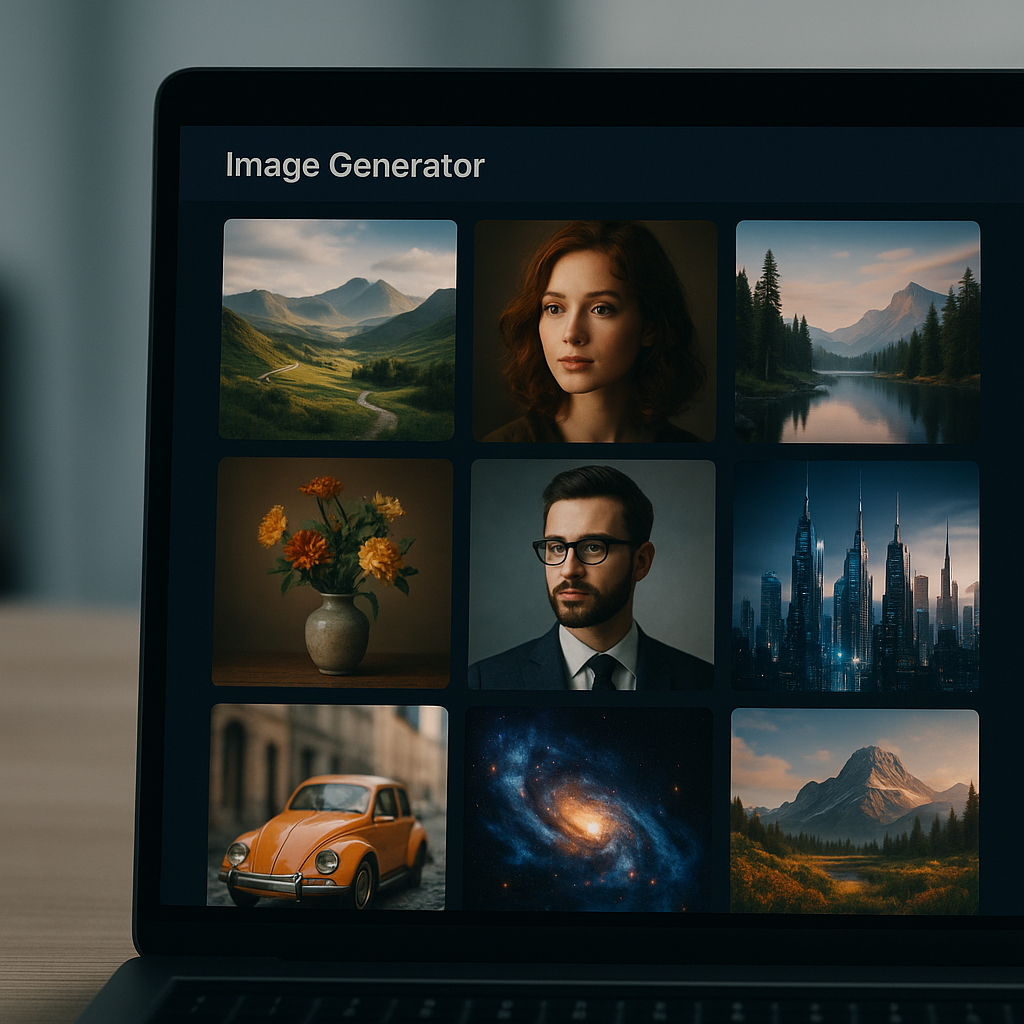
Image Generators
The advent of image generators has transformed the landscape of digital art and content creation, ushering in a new era marked by creativity, innovation, and accessibility. Leveraging advanced artificial intelligence algorithms, these tools allow users to generate stunning visuals from text prompts, opening up a world of possibilities for artists, marketers, and everyday users alike. As we delve into the intricacies of image generators, it becomes evident that they are not just a passing trend but a significant evolution in the way we create and consume visual content.
Image generators operate on the principles of machine learning and neural networks, primarily using a model called Generative Adversarial Networks (GANs). A GAN consists of two components: a generator that creates images and a discriminator that evaluates them. The generator's goal is to produce images that are indistinguishable from real photographs, while the discriminator's role is to differentiate between real and generated images. This dynamic interplay results in an iterative process where both components improve over time, leading to remarkably realistic outputs.
Among the most notable image generation models is OpenAI's DALL-E, which gained widespread attention for its ability to create detailed images from simple text descriptions. Users can input phrases like "an astronaut riding a horse in a futuristic city," and DALL-E generates a unique image that captures the essence of the prompt. This capability has sparked the imaginations of artists, advertisers, and educators, who see potential applications ranging from marketing campaigns to educational tools.
Another significant player in this field is Midjourney, which has gained popularity within creative communities for its focus on artistic style and aesthetics. Midjourney allows users to generate images with a specific artistic flair, catering to those looking for not just realism but also a unique visual interpretation. This has led to a surge in creative experimentation, as users combine prompts to produce unexpected and inspiring results.
The rise of image generators is not limited to artistic endeavors. Businesses have quickly recognized their potential for enhancing marketing strategies. Brands can now create customized visuals for social media, advertisements, and websites without the need for extensive graphic design resources. This democratization of design empowers small businesses and individuals to compete in a visually driven marketplace, where high-quality imagery can significantly impact consumer engagement and sales.
However, the proliferation of image generators also raises important ethical and legal questions. As these tools become more sophisticated, the line between original artwork and AI-generated content blurs. Concerns about copyright infringement have emerged, particularly when users generate images that closely resemble existing artworks or styles. The art community is grappling with how to attribute credit for AI-generated images and whether creators should be compensated when their styles are mimicked by algorithms.
Moreover, the potential misuse of image generators cannot be overlooked. With the ability to create hyper-realistic images, the risk of generating misleading or harmful content is significant. Instances of deepfakes, where AI-generated images and videos are manipulated to spread misinformation, highlight the darker side of this technology. As such, developers and platforms are under increasing pressure to implement safeguards and ethical guidelines to ensure responsible use of these powerful tools.
As image generators continue to evolve, so too does the landscape of creative collaboration. Artists are beginning to incorporate AI into their workflows, using image generation as a source of inspiration or as a collaborative partner in the creative process. This partnership between human creativity and machine learning is giving rise to new forms of art that challenge traditional notions of authorship and originality.
Education is another domain benefiting from the rise of image generators. Teachers and students can utilize these tools to create engaging visuals that enhance learning experiences. For example, educators can generate diagrams, illustrations, or even historical reenactments, making complex subjects more accessible and understandable. As digital literacy becomes increasingly vital in contemporary education, image generators provide a unique avenue for fostering creativity and critical thinking among students.
The implications of image generators extend beyond just art and marketing; they touch on broader societal themes, including the future of work. As AI tools continue to advance, there is a growing conversation about the role of human creativity in an increasingly automated world. Some fear that widespread adoption of image generators could lead to job displacement in creative industries, while others argue that these tools will complement human efforts, enabling artists to focus on higher-level creative tasks rather than mundane technical details.
In response to these concerns, many organizations and educational institutions are beginning to integrate AI literacy into their curricula, preparing future generations for a world where collaboration with technology is the norm. Understanding how to effectively use image generators will be crucial for those entering creative fields, as it allows them to harness the power of AI while retaining their unique artistic voice.
Looking ahead, the future of image generators appears bright, with ongoing advancements promising even more sophisticated and user-friendly applications. Researchers are exploring ways to improve the accuracy and diversity of generated images, while also addressing ethical considerations and potential biases within AI models. As these technologies become more refined, it is likely that we will see an increase in their adoption across various sectors, further blurring the lines between human and machine-generated content.
In conclusion, image generators represent a revolutionary shift in the way we create and interact with visual media. Their potential to democratize art, enhance marketing, and foster creativity is immense, yet it is accompanied by a host of ethical challenges that society must navigate. As we embrace this new frontier of technology, it is essential to remain vigilant about its implications, ensuring that the tools we create serve to enrich our cultural landscape rather than diminish it. The journey of image generators is just beginning, and it promises to reshape not only how we see the world but also how we express ourselves within it.
Recent Posts
Breakthrough in Neural Networks: How New AI Models Revolutionize Global Tech
June 16, 2026
Head-to-Head: Comparing Neural Network Models and Their Impact on AI Work Today
June 16, 2026
New Breakthrough in Image Generators Promises to Revolutionize Artistic Expressi...
June 16, 2026
Maximum Potential
Get the full experience with Pro Plan
INFORMATION