February 23, 2026
Unleashing Creativity: How Image Generators are Transforming Digital Art in 2023
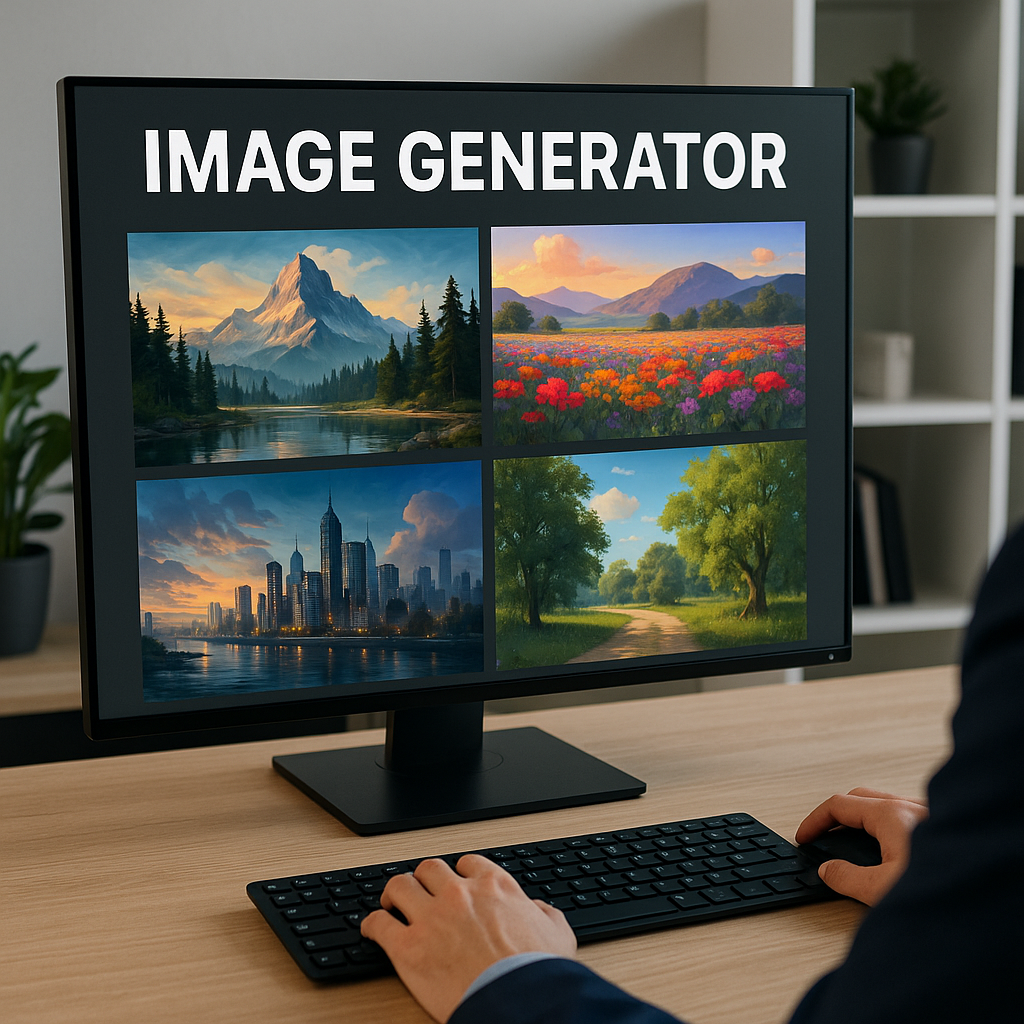
Image Generators
The rapid advancement of artificial intelligence has led to significant developments in various fields, and one of the most fascinating areas is that of image generators. These sophisticated algorithms and neural networks have revolutionized the way we create and interact with visual content. From generating artwork to enhancing video game graphics, the implications of image generators are vast and diverse, touching on industries such as entertainment, advertising, and education.
At the core of image generation technology are deep learning models, particularly Generative Adversarial Networks (GANs) and diffusion models. GANs consist of two neural networks: a generator that creates images and a discriminator that evaluates them. This adversarial process enables the generator to improve over time, producing increasingly realistic images. On the other hand, diffusion models, which have gained prominence recently, work by gradually transforming random noise into coherent images, allowing for detailed and high-quality outputs.
One of the most notable examples of an image generator is OpenAI's DALL-E, which can create diverse images from textual descriptions. This groundbreaking model demonstrates the potential of combining natural language processing with image generation, allowing users to generate unique visuals by simply describing them in words. DALL-E has garnered attention for its ability to create imaginative and surreal images, pushing the boundaries of creativity and challenging perceptions of art and design.
Another key player in the image generation landscape is Stability AI's Stable Diffusion, which has made waves by providing an open-source alternative to proprietary models. By making its technology accessible to developers and artists, Stable Diffusion has democratized the creation of AI-generated images. Users can fine-tune the model according to their needs, resulting in a vibrant community of creators who share their work and inspire each other. This has sparked a new wave of artistic expression and collaboration, as individuals can now tap into powerful tools that were once reserved for large corporations.
The applications of image generators are not limited to traditional art forms. In the gaming industry, developers are utilizing these technologies to create immersive environments and lifelike characters. Procedural content generation, powered by AI, allows for dynamic and adaptable game worlds that can change based on player actions. This enhances the gaming experience and keeps players engaged for longer periods, offering a richer narrative and visual experience.
In advertising and marketing, image generators are becoming invaluable tools for creating tailored content. Brands can now generate visuals that resonate with specific target audiences, experimenting with different styles and themes without the need for extensive photoshoots or design work. This not only saves time and resources but also enables marketers to be more agile in their campaigns, adapting quickly to trends and consumer preferences.
However, the rise of image generators is not without its challenges and controversies. The proliferation of AI-generated content raises ethical questions about copyright and ownership. As these models learn from existing artworks, concerns about intellectual property infringement are becoming more prominent. Artists are voicing their apprehensions regarding the potential devaluation of their work, as AI-generated pieces flood the market and blur the lines between human and machine-created art.
Moreover, the potential for misuse is another pressing concern. Image generators can be exploited to create misleading or harmful content, such as deepfakes or misinformation. The ability to produce highly realistic visuals can lead to the spread of false narratives, posing significant risks in a society already grappling with issues of trust and authenticity in media. As a result, there is an urgent need for industry stakeholders, policymakers, and technologists to collaborate on guidelines and regulations that address these ethical dilemmas.
In response to these challenges, many organizations are actively working on developing frameworks to ensure responsible use of image generation technologies. Initiatives focused on transparency, accountability, and ethical considerations aim to foster an environment where innovation can flourish while protecting the rights of creators and consumers alike. Educational programs that raise awareness about the capabilities and limitations of AI-generated content are also crucial in equipping the public with the knowledge to discern between human-created and machine-generated works.
Looking ahead, the future of image generators appears bright, with continuous advancements expected in the underlying technologies. As researchers refine algorithms and improve the quality of generated images, we may witness even more exciting applications across various sectors. Integration with augmented reality (AR) and virtual reality (VR) could lead to groundbreaking developments in interactive experiences, blurring the line between the digital and physical worlds.
Furthermore, the potential for collaboration between artists and AI is immense. Rather than viewing AI as a competitor, many creators are embracing it as a tool that can enhance their artistic processes. By leveraging image generators, artists can explore new styles, experiment with concepts, and push the boundaries of their creativity in ways that were previously unimaginable.
Ultimately, as image generators continue to evolve, they will undoubtedly shape the future of visual content creation. While challenges remain, the opportunities presented by these technologies are vast and varied. By fostering a culture of responsible innovation and collaboration, society can harness the power of image generators to inspire creativity, enhance industries, and enrich the human experience.
Recent Posts
Breakthrough in Neural Networks: How New AI Models Revolutionize Global Tech
June 16, 2026
Head-to-Head: Comparing Neural Network Models and Their Impact on AI Work Today
June 16, 2026
New Breakthrough in Image Generators Promises to Revolutionize Artistic Expressi...
June 16, 2026

Maximum Potential
Get the full experience with Pro Plan
INFORMATION