January 25, 2026
Unleashing Creativity: How Image Generators Transform Art and Design in 2023
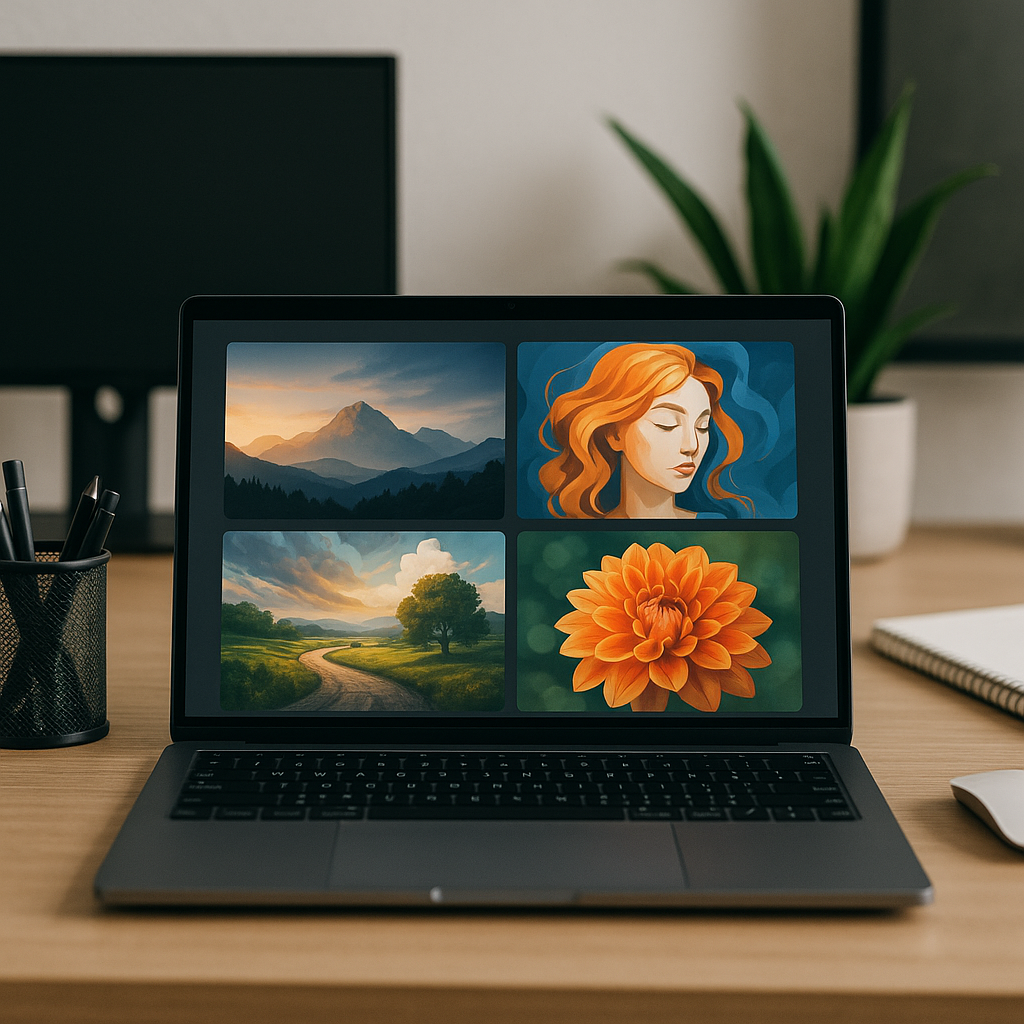
Image Generators
In recent years, the rise of image generators has brought a seismic shift to the landscape of digital art and content creation. These advanced technologies, powered by artificial intelligence (AI), are not only revolutionizing how images are produced but also raising important discussions about creativity, ownership, and the future of artistic expression. As businesses, artists, and technologists explore the capabilities and implications of these tools, it's essential to understand their functionality, applications, and the ethical questions they provoke.
At their core, image generators utilize deep learning algorithms to create visual content from textual descriptions. One of the most well-known examples is OpenAI's DALL-E, which allows users to input phrases that it interprets to generate unique images. For instance, typing "a two-headed flamingo dancing in the rain" would yield a completely original artwork that matches the description. This capability is made possible through a process known as Generative Adversarial Networks (GANs), where two neural networks compete against each other to produce increasingly realistic images.
The implications of such technology are vast. For artists, it offers a new medium for exploration and experimentation. Traditional boundaries of creativity are being pushed as image generators provide instant visualizations, enabling artists to quickly iterate on concepts and bring their ideas to life. This rapid prototyping can lead to novel artistic styles and approaches, challenging the notion of what it means to be an artist in the digital age.
Businesses are also leveraging image generators to enhance marketing strategies and brand identity. Companies can create unique visuals tailored to their campaigns without the need for extensive graphic design resources. This democratization of design means that small businesses and startups can access high-quality imagery that was previously reserved for larger enterprises with substantial budgets. The ability to generate bespoke images on demand can significantly reduce costs and turnaround times in marketing materials, website designs, and social media content.
However, the rise of image generators has not been without controversy. One of the most pressing issues is the question of copyright and ownership. When an AI produces an image, who holds the rights to that creation? Current copyright laws are ill-equipped to handle the nuances of AI-generated art, leading to uncertainty among artists and technologists alike. Some argue that the creators of the algorithms should retain ownership, while others believe that users who input prompts should have rights to the outputs.
Moreover, the potential for misuse of image generators has raised ethical concerns. Deepfakes and other forms of manipulated media can be created easily, leading to misinformation and the erosion of trust in visual content. The ability to create hyper-realistic images of events that never occurred poses significant challenges for journalism and public discourse. As these technologies become more sophisticated, the distinction between reality and fabrication may blur, making it increasingly difficult for audiences to discern authentic content.
In response to these challenges, many companies and organizations are taking proactive measures to address ethical considerations. For example, some image generator platforms are implementing watermarking systems or usage guidelines to help mitigate the risks of misuse. Additionally, discussions around establishing clearer copyright laws for AI-generated content are gaining traction, with stakeholders from various sectors engaging in dialogues to shape the future of digital art.
The educational sector is also adapting to the rise of image generators. Institutions are beginning to incorporate AI and machine learning into art and design curricula, preparing students for a future where these technologies will be integral to creative processes. Workshops and courses focusing on the ethical implications of AI in art are becoming more common, emphasizing the need for responsible usage among emerging artists and technologists.
As image generators continue to evolve, the landscape of visual content creation will undoubtedly change. The technology’s potential for innovation is immense; however, it brings with it the responsibility to navigate the accompanying ethical dilemmas carefully. Artists, businesses, and technologists must collaborate to establish frameworks that promote creativity while protecting the integrity of artistic expression.
Looking ahead, the integration of image generators into daily life seems inevitable. From enhancing personal projects to transforming professional workflows, these tools can augment human creativity in unprecedented ways. The future may not be about replacing traditional artists but rather empowering them to reach new heights, merging human intuition with machine efficiency. The ongoing dialogue surrounding technology, art, and ethics will be crucial as society grapples with the implications of these advancements. Ultimately, the way we choose to harness the power of image generators will shape not just the future of art but the broader cultural narrative of our time.
Recent Posts
Breakthrough in Neural Networks: How New AI Models Revolutionize Global Tech
June 16, 2026
Head-to-Head: Comparing Neural Network Models and Their Impact on AI Work Today
June 16, 2026
New Breakthrough in Image Generators Promises to Revolutionize Artistic Expressi...
June 16, 2026
Maximum Potential
Get the full experience with Pro Plan
INFORMATION