February 3, 2026
Unleashing Creativity: The Rise of AI Image Generators Transforming Art
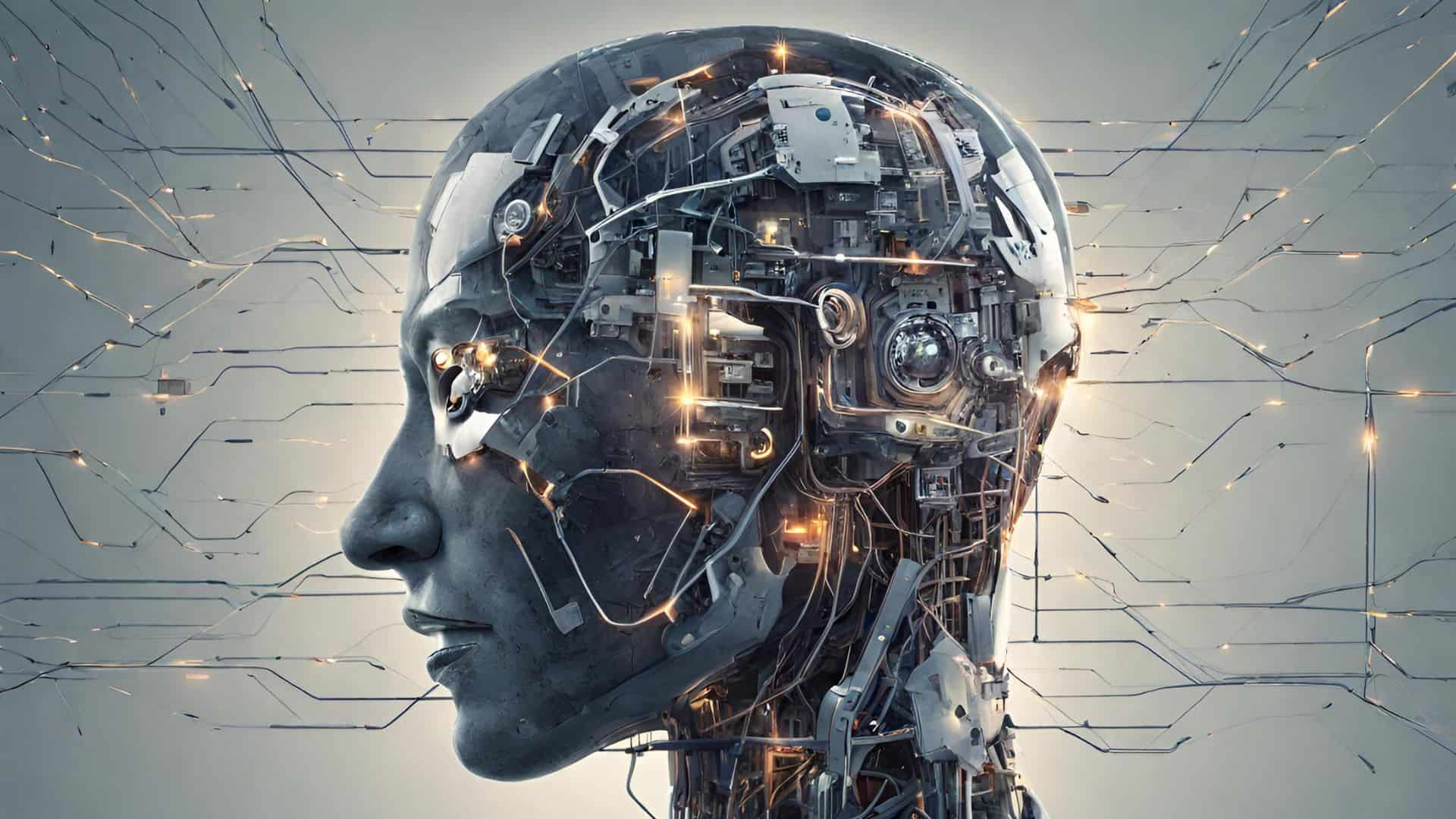
Image Generators
The rapid advancement of technology has ushered in a new era of creativity, particularly with the emergence of image generators powered by artificial intelligence (AI). These innovative tools have revolutionized the way artists, marketers, and everyday users create visual content, making it more accessible and customizable than ever before. From generating realistic portraits to crafting fantastical landscapes, AI-driven image generators are reshaping the creative landscape and raising questions about the future of art, copyright, and authenticity.
At the core of these image generators is deep learning, a subset of machine learning that involves training neural networks on vast datasets of images. These networks learn to understand patterns and styles within the data, allowing them to produce new images based on user inputs. Popular tools like DALL-E, Midjourney, and Stable Diffusion have gained significant attention for their ability to create high-quality images from textual descriptions, enabling users to simply type a phrase and watch as their ideas come to life on screen.
The process begins when users input a textual prompt into the image generator. For instance, a phrase like "a serene lake at sunset" will prompt the algorithm to analyze its training data and synthesize a unique image that embodies the essence of that description. This capability opens up exciting possibilities for artists and designers, who can use these tools to brainstorm ideas, visualize concepts, or even generate complete artworks. As a result, many professionals are integrating these AI tools into their workflows, enhancing their creativity and efficiency.
The applications of image generators extend beyond the art world. In marketing, businesses can rapidly produce visuals for social media campaigns, advertisements, and promotional materials without the need for extensive graphic design skills. This democratization of content creation allows smaller companies and individual entrepreneurs to compete on a more level playing field with larger corporations that have access to professional designers. Furthermore, the speed at which these images can be generated enables brands to respond quickly to trends and consumer demands, a crucial advantage in today’s fast-paced market.
However, the rise of AI-generated images has not been without controversy. One of the primary concerns is the question of copyright and ownership. As these algorithms are trained on existing datasets that often include copyrighted material, the legal implications of using generated images remain murky. Who owns the rights to an image created by an AI? Is it the user who provided the prompt, the developers of the AI, or perhaps even the original artists whose work was used to train the model? As these questions gain prominence, legal experts and policymakers are grappling with the need for new frameworks to address the challenges posed by AI-generated content.
Moreover, the authenticity of AI-generated art has sparked debates within the artistic community. Traditionalists argue that art must be a product of human experience, emotion, and intention. They view AI as a tool that can assist but not replace the unique human touch that defines creativity. On the other hand, proponents of AI art argue that these technologies can expand the boundaries of artistic expression, allowing for new forms of creativity that were previously unimaginable. This ongoing dialogue is essential as society navigates the implications of AI in creative fields.
Another significant concern is the potential for misuse. Image generators can produce hyper-realistic images that can be manipulated to create misleading content, known as deepfakes. This capability poses risks in areas such as misinformation and defamation, as individuals or organizations could use AI-generated images to fabricate evidence or spread false narratives. As a result, the necessity for ethical guidelines and responsible usage of these technologies is becoming increasingly urgent among developers, users, and policymakers.
In response to these concerns, many companies and organizations are actively working to establish ethical standards for the use of AI-generated content. Initiatives aimed at promoting transparency, accountability, and responsible AI development are gaining traction. Additionally, some platforms are implementing measures to watermark AI-generated images or provide clear labels indicating their origin, helping to mitigate the risks associated with misinformation and intellectual property violations.
Despite the challenges and ethical dilemmas, the future of image generation technology looks promising. Ongoing advancements in AI are likely to lead to even more sophisticated tools that can produce images with higher quality and greater nuance. As these technologies evolve, they may integrate other forms of media, such as video and 3D modeling, further blurring the lines between traditional art forms and digital creation.
As users become more familiar with these tools, it is also likely that educational resources will emerge to help individuals understand how to effectively use image generators in their creative processes. Workshops, tutorials, and online courses can empower a new generation of creators to harness the power of AI, fostering innovation and collaboration across various disciplines.
Ultimately, image generators represent a significant leap forward in the intersection of technology and creativity. They challenge our perceptions of art, authorship, and authenticity while offering new opportunities for expression and collaboration. As society continues to embrace these advancements, it is crucial to navigate the accompanying challenges thoughtfully, ensuring that the full potential of AI in the creative realm is realized responsibly and ethically.
In conclusion, while image generators are reshaping how visual content is created and consumed, they also prompt important discussions about the implications of these technologies. As artists, businesses, and consumers adapt to this evolving landscape, the dialogue surrounding AI-generated imagery will undoubtedly continue, exploring the balance between innovation and the preservation of artistic integrity.
Recent Posts
Breakthrough in Neural Networks: How New AI Models Revolutionize Global Tech
June 16, 2026
Head-to-Head: Comparing Neural Network Models and Their Impact on AI Work Today
June 16, 2026
New Breakthrough in Image Generators Promises to Revolutionize Artistic Expressi...
June 16, 2026
Maximum Potential
Get the full experience with Pro Plan
INFORMATION