February 2, 2026
Unlock Your Creativity: Explore the Future of Image Generators in 2023!
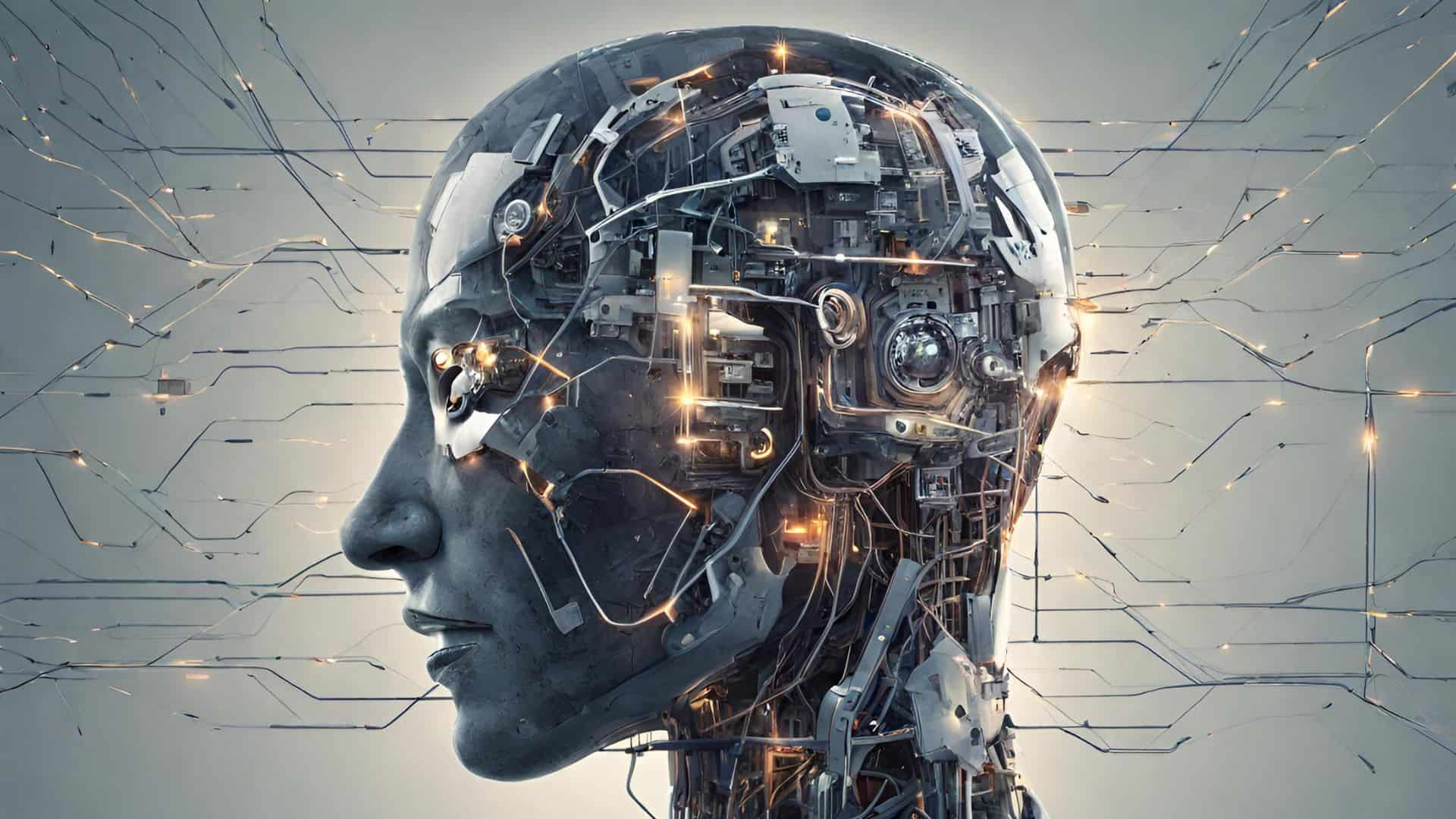
Image Generators
The rapid evolution of technology continues to astound, and at the forefront of this transformation are image generators. These sophisticated tools, driven by artificial intelligence (AI), have revolutionized the way we create and perceive visual content. From artists and designers to marketers and hobbyists, image generators are becoming indispensable in various fields. As we delve deeper into this phenomenon, it is essential to understand how these systems function, their applications, and the implications they hold for the future of creativity and commerce.
At their core, image generators utilize machine learning algorithms to create images from scratch or transform existing images into new forms. One of the most notable advancements in this area is the development of Generative Adversarial Networks (GANs). GANs consist of two neural networks: the generator, which creates images, and the discriminator, which evaluates them. This dynamic duo engages in a constant feedback loop, where the generator strives to produce images that are indistinguishable from real ones, while the discriminator learns to identify whether an image is generated or authentic. This process leads to the creation of increasingly sophisticated visuals that can mimic various styles and subjects.
The applications of image generators are vast and varied. In the realm of art, they are empowering artists to explore new creative avenues. Artists can input specific parameters or ideas, and the AI can generate unique pieces based on those inputs. This not only enhances the creative process but also allows for experimentation that may have been previously unattainable. Furthermore, some artists have begun to integrate these AI-generated visuals into their work, blurring the lines between human creativity and machine output.
In the commercial sector, businesses are leveraging image generators to enhance marketing campaigns, product design, and branding. For instance, fashion brands can use these tools to design clothing and accessories, visualize collections, and even create entire runway shows without the need for physical garments. Similarly, real estate companies are employing image generators to create stunning digital renderings of properties, allowing potential buyers to envision spaces before they are built. This level of visualization not only attracts customers but also streamlines the decision-making process.
Moreover, social media platforms are increasingly incorporating image generators to help users create engaging content. With just a few clicks, individuals can transform ordinary photos into eye-catching graphics, enabling them to stand out in a crowded digital landscape. This democratization of design empowers everyone, regardless of their artistic skills, to participate in the creation of visual content that resonates with their audience.
Despite the numerous advantages that image generators offer, there are also significant challenges and concerns associated with their use. One of the most pressing issues is the potential for misuse. AI-generated images can be manipulated to create misleading content, often referred to as “deepfakes.” This has raised concerns about the ethical implications of image generation, particularly in the context of misinformation and propaganda. The ability to create hyper-realistic images that are entirely fictitious poses a threat to the integrity of visual media, making it increasingly difficult for individuals to discern fact from fiction.
Another concern relates to copyright and intellectual property rights. As AI-generated images become more prevalent, questions arise about ownership. If an image is created by an AI based on existing works, who holds the rights to that image? This gray area presents potential legal battles and ethical dilemmas that the creative community must navigate. As governments and organizations grapple with these issues, there is a pressing need for clear guidelines and regulations to protect artists and consumers alike.
Furthermore, the rise of image generators has sparked a broader debate about the role of human creativity in the age of AI. While these tools can enhance artistic expression, they may also lead to a devaluation of traditional skills. As more individuals rely on AI to produce images, there is a risk that the unique qualities of human artistry could be overshadowed. This raises questions about the future of creative professions and the importance of preserving the human touch in art and design.
As we look ahead, the future of image generators appears promising yet complex. Continued advancements in AI technology will likely lead to even more sophisticated tools that can create images with greater nuance and detail. These developments will provide opportunities for artists and businesses to innovate and push the boundaries of visual content. However, it will also necessitate ongoing discussions about ethics, copyright, and the role of human creativity in an increasingly automated world.
In conclusion, image generators are reshaping the landscape of visual content creation, offering new possibilities for artists, businesses, and everyday users. While they present remarkable opportunities for innovation and creativity, they also raise important ethical and legal questions that society must address. As this technology continues to evolve, it will be crucial for stakeholders across various sectors to engage in meaningful conversations about its implications and ensure that the benefits of image generators are harnessed responsibly and equitably.
Recent Posts
Breakthrough in Neural Networks: How New AI Models Revolutionize Global Tech
June 16, 2026
Head-to-Head: Comparing Neural Network Models and Their Impact on AI Work Today
June 16, 2026
New Breakthrough in Image Generators Promises to Revolutionize Artistic Expressi...
June 16, 2026

Maximum Potential
Get the full experience with Pro Plan
INFORMATION