February 5, 2026
Unlock Your Creativity: How Image Generators Are Revolutionizing Art and Design
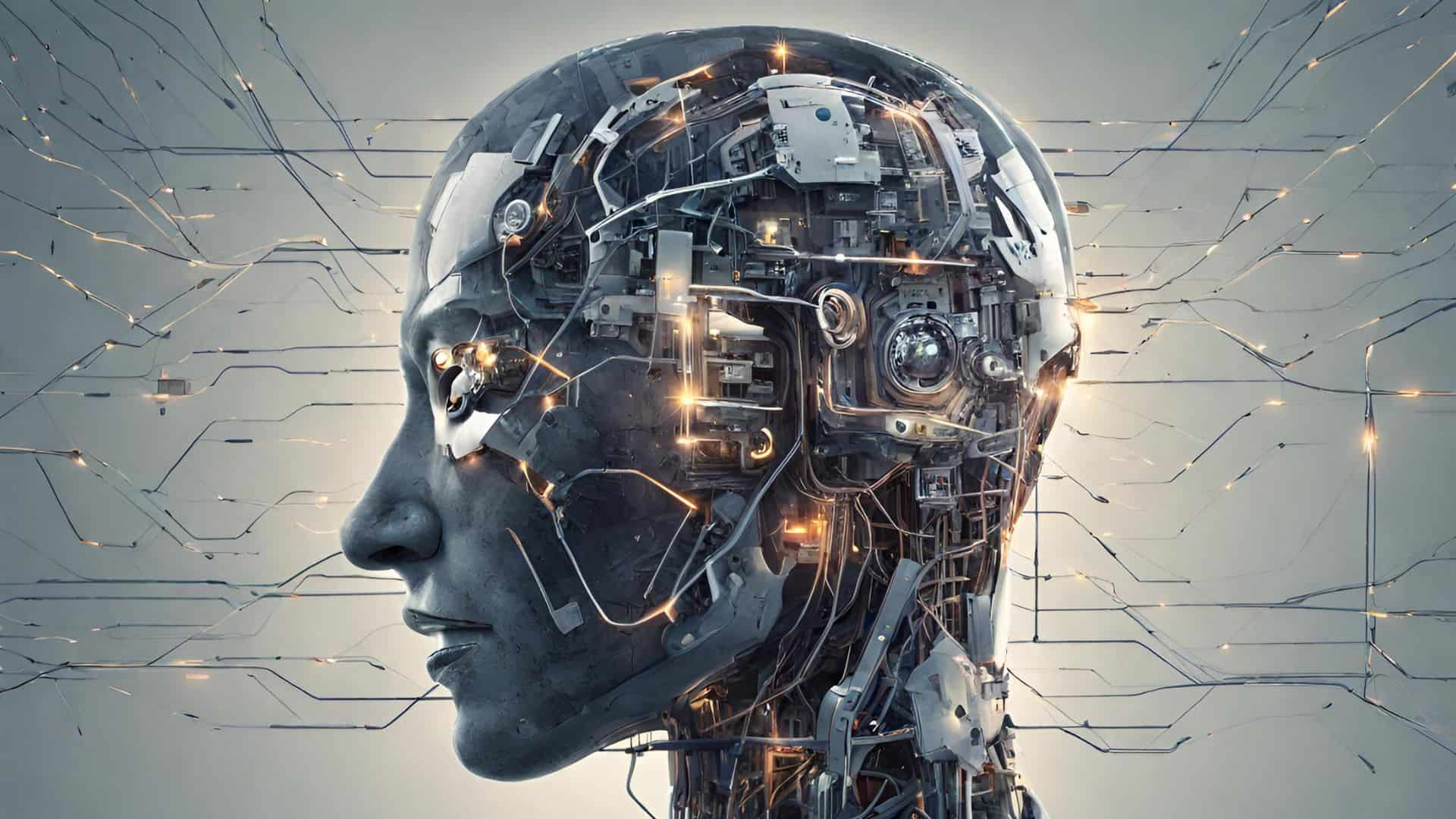
Image Generators
In recent years, the rapid evolution of technology has brought forth a wave of innovation that continues to transform various industries. Among these advancements, image generators have emerged as a significant player, reshaping how we create, consume, and interact with visual content. These powerful tools, driven by artificial intelligence (AI) and machine learning algorithms, have garnered attention for their ability to generate high-quality images from textual descriptions, opening up new avenues for creativity, marketing, and even ethical discussions.
At the heart of image generators is a technology known as Generative Adversarial Networks (GANs). Developed in 2014 by Ian Goodfellow and his colleagues, GANs consist of two neural networks—the generator and the discriminator—that work in tandem. The generator creates images based on input data, while the discriminator evaluates these images against real-world examples, providing feedback that helps the generator improve its output. Over time, this back-and-forth process allows the generator to produce increasingly realistic images, blurring the lines between human-created and machine-generated art.
The applications of image generators are vast and varied. In the realm of art, platforms like DALL-E, Midjourney, and Stable Diffusion have gained immense popularity, allowing users to create stunning visuals with simple text prompts. This democratization of art creation empowers individuals who may lack traditional artistic skills to express their ideas visually, fostering an inclusive environment for creativity. Artists and designers are also leveraging these tools to enhance their workflows, using generated images as inspiration or as part of their creative process.
In marketing and advertising, image generators are revolutionizing how brands create visual content. With the ability to quickly produce tailored images, companies can generate promotional materials that resonate with their target audience. This agility not only saves time but also reduces costs associated with hiring photographers or graphic designers for every campaign. Additionally, brands can experiment with various styles and concepts, rapidly iterating on designs to find the most effective visual representation of their message.
However, the rise of image generators is not without its controversies. The ethical implications of using AI-generated images are a topic of heated debate. Concerns about copyright, authenticity, and the potential for misuse are prominent. For instance, if a generator produces an image that closely resembles a copyrighted work, who holds the rights to the new creation? Furthermore, the ease with which users can create hyper-realistic images raises questions about the potential for misinformation, particularly in political or social contexts. Deepfakes—manipulated images or videos that convincingly depict real people doing or saying things they never actually did—are a prime example of how this technology can be misused.
To address these concerns, many stakeholders are calling for clearer regulations and guidelines governing the use of AI-generated content. As the technology continues to advance, there is a pressing need for frameworks that protect artists' rights while encouraging innovation. Some companies are exploring watermarking techniques or metadata embedding to distinguish between human-created and machine-generated images. Such measures could help mitigate the risks of misuse while still allowing for the creative possibilities that image generators offer.
Education is another critical aspect of navigating the future of image generation. As these tools become more prevalent, there is a growing need for educators to incorporate discussions about AI and ethics into their curricula. Teaching students not only how to use these technologies but also how to critically evaluate their implications will be essential in preparing the next generation of creators and consumers. Awareness of the potential pitfalls of AI-generated content will empower users to make informed decisions and contribute positively to the ongoing dialogue surrounding these advancements.
As image generators continue to evolve, we can expect to see even more sophisticated capabilities. Recent developments have introduced features such as inpainting, which allows users to modify specific areas of an image seamlessly, and style transfer, which enables the blending of different artistic styles. These advancements further enhance the creative potential of image generators, making them invaluable tools for artists, marketers, and content creators alike.
Moreover, the integration of image generation technology into other fields is also gaining momentum. For example, in the gaming industry, developers are exploring the use of AI-generated environments and characters, streamlining the design process and enhancing the gaming experience. In architecture, firms are utilizing image generators to visualize concepts and designs before a single brick is laid, allowing for more effective communication with clients and stakeholders.
The intersection of image generation and virtual reality (VR) is another area ripe for exploration. As VR technology matures, the demand for immersive visuals will only increase. Image generators have the potential to create expansive virtual worlds that are not only visually stunning but also dynamically generated based on user interactions and preferences. This could lead to entirely new forms of storytelling and engagement in gaming, education, and beyond.
In conclusion, image generators represent a remarkable convergence of creativity and technology, offering exciting possibilities for artists, marketers, and various industries. While the benefits are substantial, it is crucial to approach this technology with a sense of responsibility and ethical consideration. As we navigate this new landscape, fostering open dialogue about the implications of AI-generated content and ensuring that frameworks are in place will be key to harnessing the full potential of these innovations while mitigating risks. The future of image generation is bright, and as it unfolds, it will undoubtedly shape the way we create and experience visual content in profound ways.
Recent Posts
Breakthrough in Neural Networks: How New AI Models Revolutionize Global Tech
June 16, 2026
Head-to-Head: Comparing Neural Network Models and Their Impact on AI Work Today
June 16, 2026
New Breakthrough in Image Generators Promises to Revolutionize Artistic Expressi...
June 16, 2026

Maximum Potential
Get the full experience with Pro Plan
INFORMATION