February 20, 2026
Unlock Your Creativity: How Image Generators are Revolutionizing Art Creation
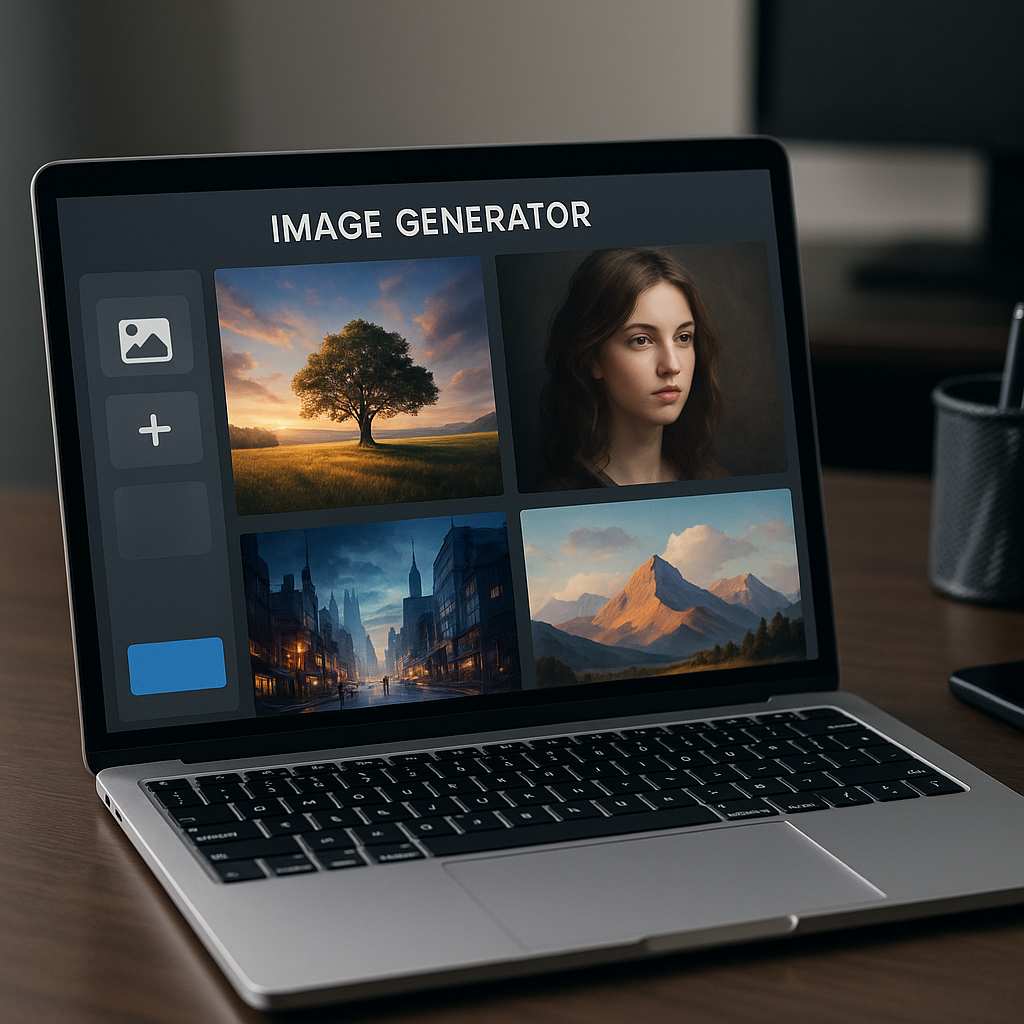
Image Generators
In recent years, the rapid advancement of artificial intelligence has given rise to a new class of tools known as image generators. These powerful applications utilize sophisticated algorithms and deep learning techniques to create visually stunning images from scratch or enhance existing photographs, opening up a world of creative possibilities for artists, designers, marketers, and everyday users alike.
Image generators have gained significant traction across various industries, from entertainment and advertising to education and social media. At the heart of these applications is a technology called Generative Adversarial Networks (GANs), which was first introduced in 2014. GANs consist of two neural networks, a generator and a discriminator, that work in tandem to produce high-quality images. The generator creates images, while the discriminator evaluates them against real images, providing feedback that helps the generator improve its outputs over time.
One of the most notable examples of an image generator is OpenAI’s DALL-E, which can create intricate images based on textual descriptions. Users can input phrases like “a two-headed flamingo in a futuristic city,” and DALL-E will generate a unique image that reflects the given text. This capability has captivated the imagination of many, showcasing the potential of AI to augment human creativity.
Another prominent player in this field is Midjourney, which has gained popularity for its ability to produce aesthetically pleasing and artistically styled images. Users can join a Discord server where they can interact with the AI bot, providing prompts and receiving visually striking outputs. Midjourney has attracted a community of artists and hobbyists who use the platform for inspiration or to create unique artworks that blend various styles and genres.
The rise of image generators has sparked a wave of discussions surrounding copyright and intellectual property. As these tools become more prevalent, questions arise regarding the ownership of the images they produce. Who holds the rights to an image created by an AI? Is it the developer of the AI, the user who provided the prompt, or is it a shared ownership? These questions remain largely unanswered as legal frameworks struggle to keep pace with technological advancements.
Moreover, the ethical implications of image generation cannot be overlooked. The potential for misuse is significant, particularly in the realm of misinformation. With the ability to create hyper-realistic images, there is a growing concern that bad actors could produce fake news, deep fakes, or misleading content, further complicating an already challenging information landscape. This has prompted calls for stricter regulations and guidelines on the use of AI-generated content.
Despite these challenges, the benefits of image generators are vast. For artists, these tools can serve as a source of inspiration, enabling them to explore new styles and concepts. Designers can use image generators to streamline their workflow, quickly generating mock-ups or visual assets that can be refined and customized. In marketing, businesses can harness these tools to create eye-catching advertisements and social media content that resonate with their target audience.
Education is another area poised to benefit from image generators. Teachers can use these tools to create engaging visual aids, helping students grasp complex concepts through imagery. Furthermore, students can experiment with image generation as a form of creative expression, learning about the intersection of technology and art.
As AI technology continues to evolve, we can expect image generators to become more sophisticated and accessible. Recent advancements have led to the development of tools that allow users to manipulate images in unprecedented ways, such as altering facial expressions or changing the time of day in a landscape. These features not only enhance the creative process but also empower users with a greater degree of control over their visual content.
Additionally, the integration of image generation technology into social media platforms has begun to reshape how users interact with visual content. Platforms like Instagram and TikTok are increasingly incorporating AI tools that allow users to create and share unique visuals, blurring the lines between professional and amateur content creation. This democratization of image generation represents a shift towards a more inclusive and diverse creative landscape.
As we look to the future, it is crucial for developers, policymakers, and users to engage in ongoing discussions about the implications of image generators. Establishing ethical guidelines and legal frameworks that protect creators while fostering innovation will be essential to navigating this evolving landscape. Furthermore, educating users about the capabilities and limitations of these tools will help mitigate potential misuse and promote responsible AI usage.
In conclusion, image generators are transforming the way we create and interact with visual content. With their ability to produce stunning and unique images, these AI-driven tools are not only enhancing creativity but also raising important questions about ownership, ethics, and the future of art in the digital age. As technology continues to advance, the impact of image generators will likely grow, shaping industries and influencing how we perceive and create visual narratives.
Recent Posts
Breakthrough in Neural Networks: How New AI Models Revolutionize Global Tech
June 16, 2026
Head-to-Head: Comparing Neural Network Models and Their Impact on AI Work Today
June 16, 2026
New Breakthrough in Image Generators Promises to Revolutionize Artistic Expressi...
June 16, 2026
Maximum Potential
Get the full experience with Pro Plan
INFORMATION