February 4, 2026
Unlock Your Creativity: How Image Generators are Revolutionizing Digital Art
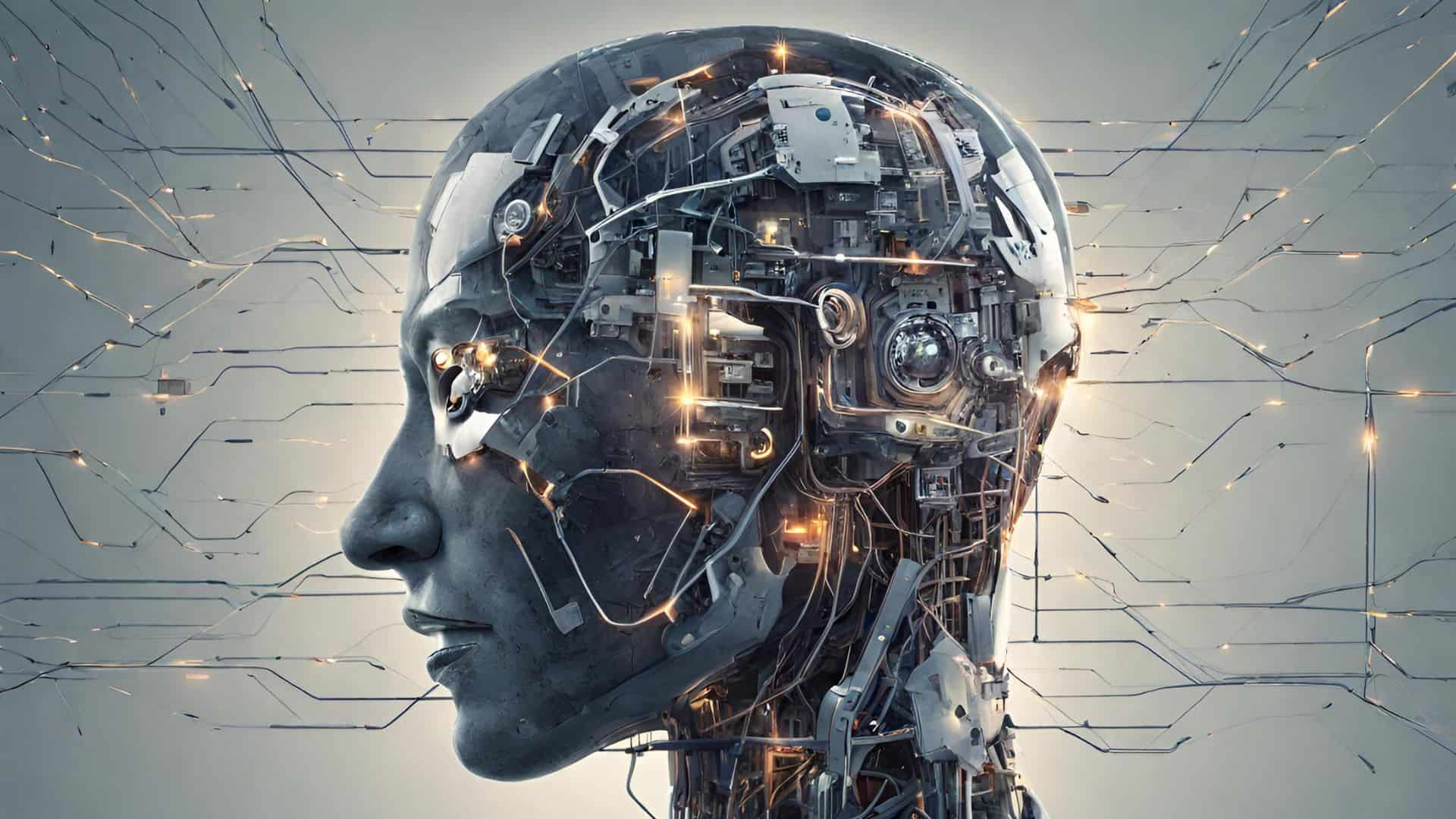
Image Generators
In recent years, the rise of image generators has transformed the landscape of digital art, design, and content creation. These sophisticated tools use artificial intelligence to create images from textual descriptions, allowing users to generate stunning visuals with just a few clicks. This groundbreaking technology has not only democratized art production but also raised important questions about creativity, copyright, and the future of the artistic profession.
Image generators such as DALL-E, Midjourney, and Stable Diffusion have gained substantial attention for their ability to produce high-quality images in various styles. By inputting descriptive phrases, users can instruct these AI models to create everything from realistic portraits to abstract landscapes. The underlying technology relies on deep learning algorithms that analyze vast datasets of images and their corresponding text descriptions. Through this training, the models learn to understand the nuances of different artistic styles, color palettes, and subject matter, enabling them to create increasingly complex and coherent images.
One of the key attractions of image generators is their accessibility. Unlike traditional art forms, which often require years of practice to master, these tools allow anyone with a computer and an internet connection to produce visually appealing content. This has sparked a surge of interest among hobbyists, social media influencers, and even professionals looking to enhance their projects with custom visuals. Many users have taken to platforms like Instagram and TikTok to showcase their creations, further fueling the popularity of these tools and creating a vibrant online community.
Moreover, image generators have found applications across various industries. In marketing, businesses leverage these tools to create eye-catching advertisements and social media posts that resonate with their target audience. In the gaming industry, developers use AI-generated art to design characters and environments, speeding up the creative process and reducing costs. Even in fields like education and journalism, image generators help illustrate concepts and stories, making information more engaging for audiences.
However, the advent of image generators has not come without its challenges. As the technology evolves, so too do the ethical and legal questions surrounding its use. One major concern is the issue of copyright. Many artists worry that their work could be appropriated or mimicked by AI-generated images, leading to potential infringement on their intellectual property rights. The lack of clear regulations on the use of AI-generated content has prompted calls for a reevaluation of existing copyright laws to protect traditional artists while fostering innovation in the digital space.
Furthermore, the question of authorship looms large. With AI-generated images, it becomes unclear who should be credited as the creator. Is it the user who provided the prompt, the developers of the AI model, or the machine itself? This ambiguity complicates the traditional understanding of creativity and challenges the notion of what it means to be an artist in the digital age.
Additionally, there are concerns about the potential for misuse of image generators. The ability to create hyper-realistic images could lead to the spread of misinformation and manipulated content. For instance, generating fake news images or deepfakes could undermine trust in visual media, making it increasingly difficult for people to discern fact from fiction. As a result, there is a growing need for developers and users alike to adopt ethical guidelines when utilizing these powerful tools.
Despite these challenges, many in the artistic community view image generators as valuable collaborators rather than mere competitors. Artists are beginning to integrate AI into their workflows, using it as a source of inspiration or a tool for rapid prototyping. By combining their unique vision with the capabilities of AI, they can push the boundaries of creativity and explore new artistic frontiers. This symbiotic relationship between humans and machines may redefine the future of art, leading to innovative forms of expression that blend traditional techniques with cutting-edge technology.
As image generators continue to evolve, advancements in AI technology promise even more exciting possibilities. Future iterations may offer enhanced customization options, allowing users to influence the finer details of their generated images. Moreover, as the technology becomes more sophisticated, we can expect to see improvements in the quality and realism of the visuals produced. This could lead to a wider acceptance of AI-generated art in galleries and exhibitions, further blurring the lines between human and machine-made creations.
In conclusion, image generators represent a significant shift in the way we create and consume visual content. They have opened up new avenues for artistic expression and have the potential to reshape various industries. However, as we embrace this technology, it is crucial to navigate the challenges it presents mindfully. By fostering a collaborative approach between AI and human creativity, we can harness the benefits of image generators while addressing the ethical and legal implications they entail. The future of art may very well lie in the harmonious coexistence of human ingenuity and artificial intelligence, leading to a vibrant and diverse creative landscape.
Recent Posts
Breakthrough in Neural Networks: How New AI Models Revolutionize Global Tech
June 16, 2026
Head-to-Head: Comparing Neural Network Models and Their Impact on AI Work Today
June 16, 2026
New Breakthrough in Image Generators Promises to Revolutionize Artistic Expressi...
June 16, 2026
Maximum Potential
Get the full experience with Pro Plan
INFORMATION