February 22, 2026
Unlock Your Creativity: How Image Generators Are Transforming Digital Art
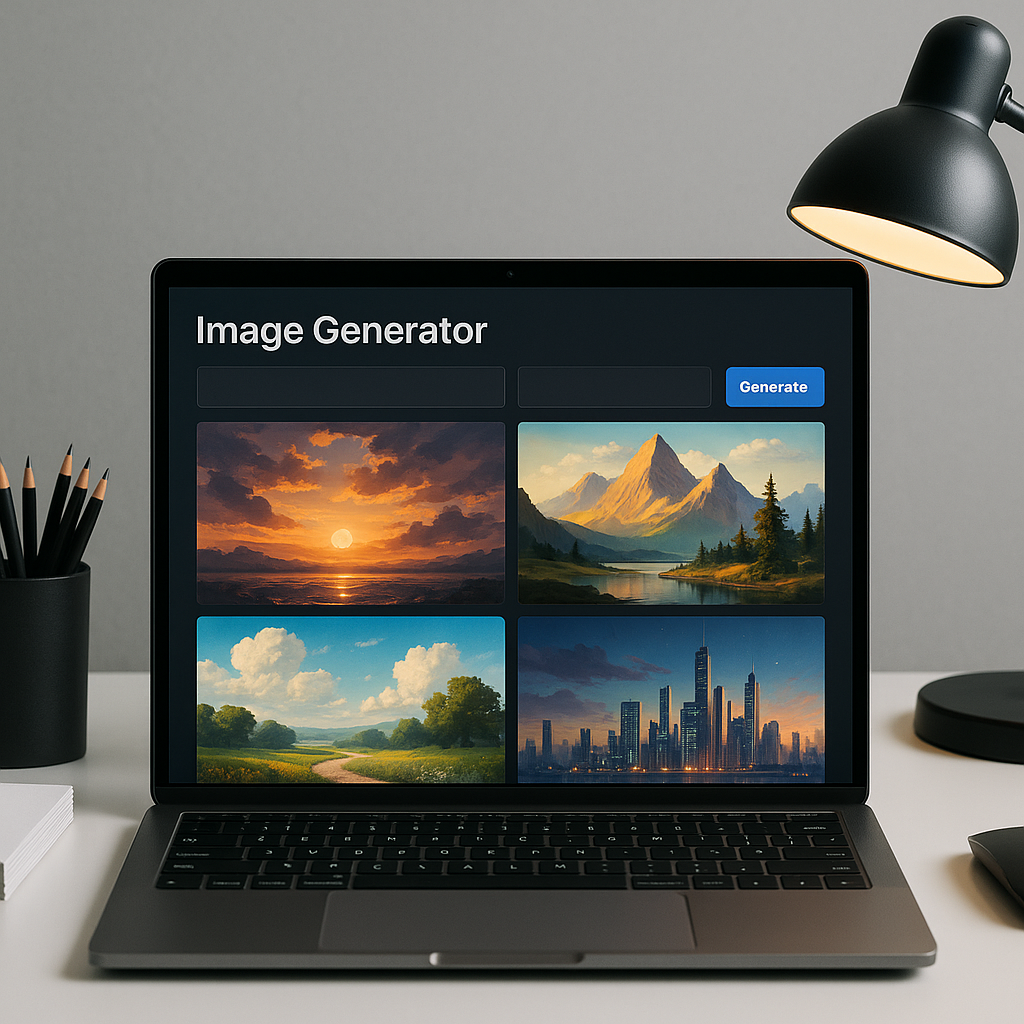
Image Generators
In recent years, the rise of image generators has transformed the landscape of digital art and creativity, enabling users to produce stunning visuals with mere text prompts. These advanced artificial intelligence (AI) systems have gained traction among artists, marketers, and everyday users alike, making the process of creating images more accessible than ever before. From generating artwork for social media posts to designing logos and illustrations, image generators are reshaping how we think about art and design in the digital age.
At the core of these image generators lies complex algorithms and deep learning techniques, which allow them to analyze vast datasets of images and their corresponding descriptions. Popular models such as DALL-E, Midjourney, and Stable Diffusion have exemplified this technology's capabilities, producing images that often blur the lines between human creativity and machine learning. These systems can create everything from realistic portraits to fantastical landscapes, all based on user-defined parameters and textual inputs.
The appeal of image generators is multifaceted. For artists, they serve as a source of inspiration and a tool for experimentation. Artists can input keywords or phrases to generate a variety of visual styles and concepts, saving time and allowing for exploration without the constraints of traditional methods. This capability encourages creators to push boundaries, explore new ideas, and ultimately enhance their artistic expression.
Businesses are also capitalizing on the capabilities of image generators to streamline their marketing efforts. With the ability to create tailored graphics quickly, companies can respond to trends and consumer demands with greater agility. For instance, a fashion brand could use an image generator to create digital mockups of new clothing lines, allowing them to visualize concepts before committing to physical production. This not only saves resources but also fosters a more dynamic approach to branding and marketing.
However, the widespread use of image generators has also sparked debates about copyright and ownership. As these systems learn from existing works, questions arise regarding the originality of their output. Who owns the rights to an image generated by an AI? Is it the user who provided the prompt, the creator of the algorithm, or perhaps no one at all? These legal dilemmas are becoming increasingly pressing as the technology advances, highlighting the need for new legal frameworks to address the implications of AI-generated content.
The ethical considerations surrounding image generation technology extend beyond copyright issues. There is growing concern about the potential for misuse, particularly in the creation of deepfakes and misleading images. For instance, image generators can produce hyper-realistic images of individuals that never existed or manipulate existing images to create false narratives. This has raised alarms about the potential for misinformation and the erosion of trust in visual media.
Moreover, the accessibility of these tools raises questions about the democratization of art and creativity. While image generators empower individuals who may lack traditional artistic skills, they also pose challenges for professional artists. As AI-generated images flood the market, artists may find it increasingly difficult to compete, leading to concerns about devaluation of their work. This tension between technological advancement and traditional artistry mirrors historical debates seen in the art world, such as the introduction of photography or digital art.
Despite these challenges, the future of image generators looks promising. Ongoing advancements in AI technology continue to enhance the quality and versatility of generated images. Developers are working on refining algorithms to better understand context, emotion, and aesthetics, which may lead to even more compelling and nuanced outputs. As the technology matures, we can expect image generators to become even more integrated into various creative processes, potentially collaborating with artists rather than replacing them.
In academia, researchers are exploring the implications of AI in creative fields, examining how these tools can be utilized in education and artistic development. Workshops and courses that incorporate image generation technology are beginning to emerge, illustrating its potential as a learning aid for aspiring artists. By teaching students how to leverage AI tools, educators can help cultivate a new generation of creators who are adept at blending traditional techniques with cutting-edge technology.
Furthermore, the intersection of image generators with other forms of AI, such as natural language processing and machine learning, presents exciting possibilities for future innovations. Imagine a tool that not only generates images based on text prompts but also crafts narratives and stories, creating immersive experiences that engage audiences on multiple levels. This convergence of technology could redefine storytelling across mediums, from literature to film, and further blur the lines between creator and audience.
As image generators continue to evolve, their impact on society and culture will undoubtedly deepen. The ongoing conversation surrounding their ethical implications, artistic value, and legal frameworks will play a crucial role in shaping the future of this technology. In a world where anyone can become a creator at the click of a button, the challenge lies in finding a balance between innovation and responsibility. The dialogue surrounding image generators is just beginning, and as we navigate this uncharted territory, it is essential to consider how we can harness these tools for the greater good while respecting the artistry that has come before.
In conclusion, image generators represent a frontier of technological advancement that holds immense potential for creativity and innovation. As they gain popularity and accessibility, they challenge traditional notions of artistry and ownership, prompting a reevaluation of what it means to create in the digital age. With careful consideration of their implications and an emphasis on collaboration rather than competition, society can embrace the transformative power of these tools while nurturing the rich tapestry of human creativity.
Recent Posts
Breakthrough in Neural Networks: How New AI Models Revolutionize Global Tech
June 16, 2026
Head-to-Head: Comparing Neural Network Models and Their Impact on AI Work Today
June 16, 2026
New Breakthrough in Image Generators Promises to Revolutionize Artistic Expressi...
June 16, 2026
Maximum Potential
Get the full experience with Pro Plan
INFORMATION