April 16, 2026
Unlock Your Creativity: How Image Generators Are Transforming Visual Art Today
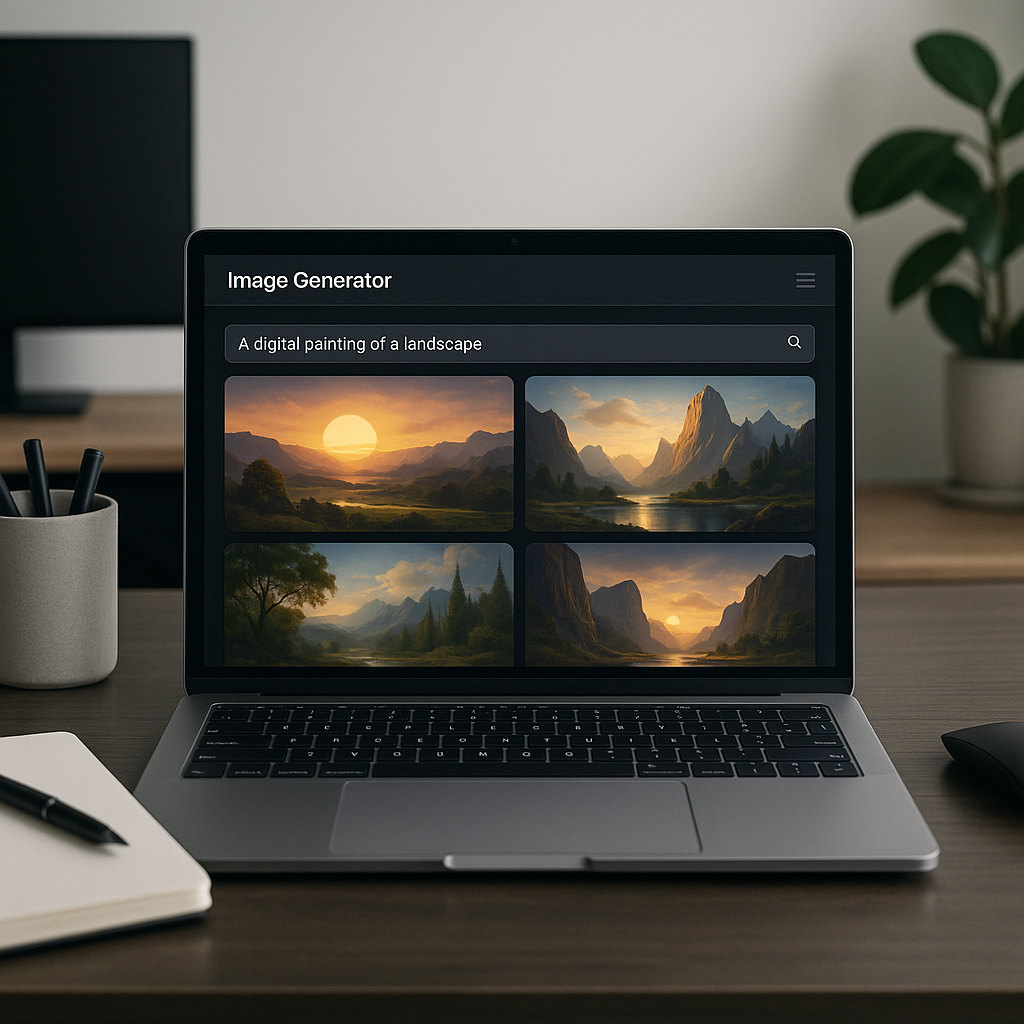
Image Generators
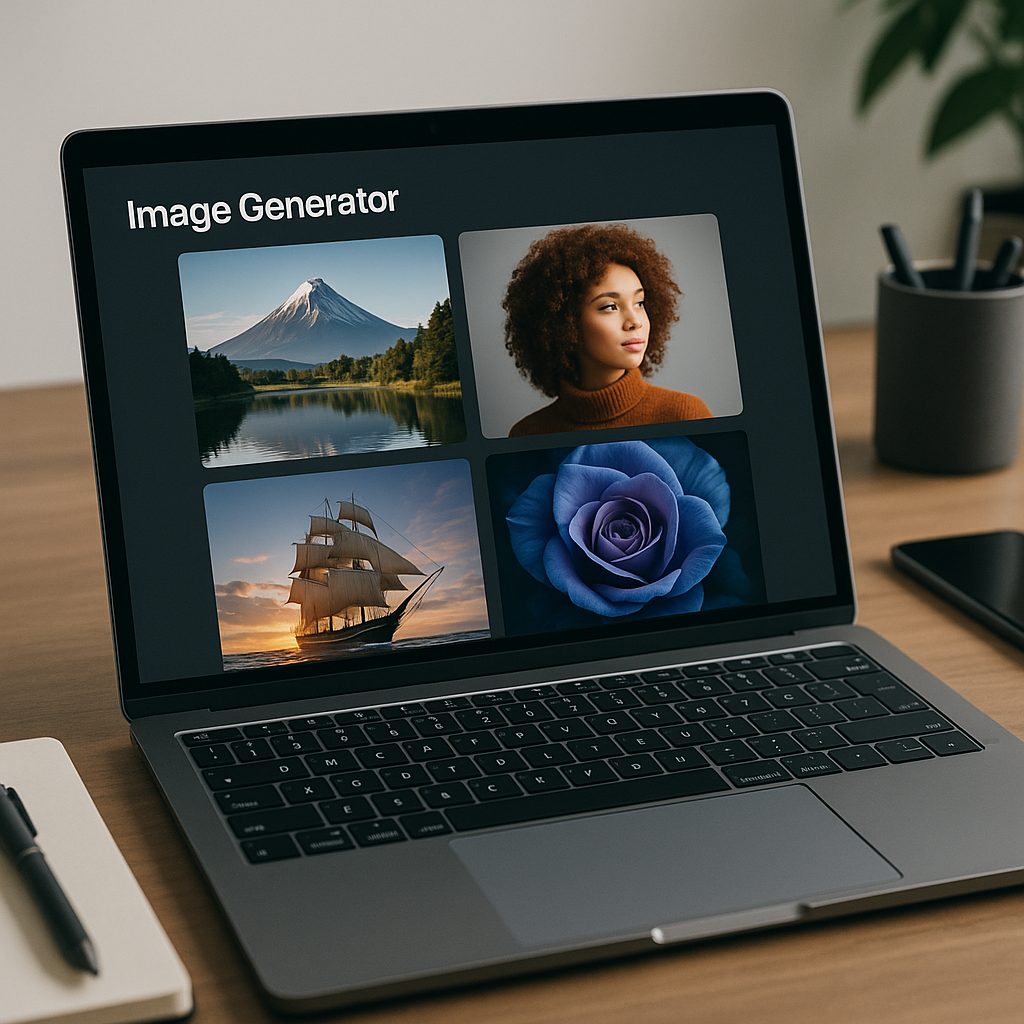
In recent years, image generators have rapidly transformed the landscape of digital artistry and content creation, revolutionizing the way we conceive and produce visual content. These sophisticated tools, powered by artificial intelligence (AI) and machine learning, have made it possible for users to create stunning images from simple text prompts, allowing individuals and businesses alike to harness the power of creativity with unprecedented ease.
The rise of AI-based image generation can be traced back to advancements in neural networks, particularly Generative Adversarial Networks (GANs). GANs consist of two neural networks—the generator and the discriminator—that work in tandem. The generator creates images, while the discriminator evaluates them against real images. This competition drives both networks to improve, ultimately resulting in the generation of highly realistic images. As technology has progressed, image generators have gone from creating abstract art to producing photorealistic images that are often indistinguishable from those captured by professional photographers.
Among the most notable image generators is OpenAI's DALL-E, which gained widespread attention for its ability to create diverse images from textual descriptions. Users can input phrases like "a two-headed flamingo in a surreal landscape," and DALL-E generates unique images that encapsulate the essence of the description. This capability has not only captured the imagination of artists and designers but has also sparked debates around copyright, originality, and the ethical implications of AI-created art.
Another significant player in the field is Midjourney, an independent research lab that has developed an image generation tool praised for its artistic style and versatility. Midjourney allows users to create images with distinct aesthetic qualities, catering to those in the creative industries who seek to enhance their projects with visually striking elements. The platform's focus on community engagement has fostered a vibrant ecosystem where users can share their creations, providing a continuous source of inspiration and collaboration.
These image generators are not limited to individual artists; they have found applications across various industries, including advertising, gaming, and film. Companies leverage AI-generated images to create marketing materials, conceptual art, and even entire scenes for video games. The efficiency and cost-effectiveness of these tools enable businesses to streamline their creative processes, reducing the time and resources traditionally required for image production.
However, the increasing prevalence of AI-generated images raises important ethical questions. Concerns about copyright infringement have emerged as these tools can produce work that closely resembles existing art styles or specific artists' work. The issue of ownership also comes into play: if an AI generates an image based on a user's prompt, who holds the rights to that image? These questions have led to calls for new legal frameworks to address the unique challenges posed by AI-generated art.
Furthermore, there are concerns regarding the potential misuse of image generators. With the ability to create hyper-realistic images, the risk of deepfakes and other forms of manipulated media becomes more pronounced. This technology could be exploited to create misleading content, contributing to the spread of misinformation. As a result, developers and researchers are under increasing pressure to implement safeguards and ethical guidelines to mitigate these risks.
Despite these challenges, the benefits of image generators cannot be overlooked. They democratize creativity, allowing individuals without formal training in art or design to produce high-quality visuals. This accessibility has opened new avenues for self-expression, enabling a diverse range of voices to contribute to the digital art landscape. Artists can experiment without the constraints of traditional techniques, fostering innovation and pushing the boundaries of creativity.
Moreover, image generators can serve as valuable tools for brainstorming and ideation. Designers can use these platforms to explore different concepts quickly, generating a variety of visual ideas that can be refined and developed further. This iterative process not only enhances creativity but also encourages collaboration between humans and machines, resulting in unique outcomes that may not have been conceived independently.
As technology continues to evolve, the future of image generation appears bright. Ongoing research aims to enhance the capabilities of these tools, making them more intuitive and user-friendly. Initiatives are underway to improve the understanding of user intent, allowing AI to generate images that align more closely with creators' visions. Additionally, developments in ethical AI will likely shape the industry, ensuring that as image generators become more powerful, they remain responsible and respectful of existing artistic contributions.
In conclusion, image generators represent a fascinating intersection of technology and creativity, with the potential to reshape how we think about art and design. As these tools become increasingly integrated into various sectors, they challenge our notions of authorship, originality, and the very essence of creativity itself. While ethical dilemmas and challenges lie ahead, the opportunities they present for innovation and accessibility are undeniable. As we navigate this new frontier, the dialogue surrounding AI-generated art will be crucial in shaping a future that honors both technology and the human spirit of creativity.
Recent Posts
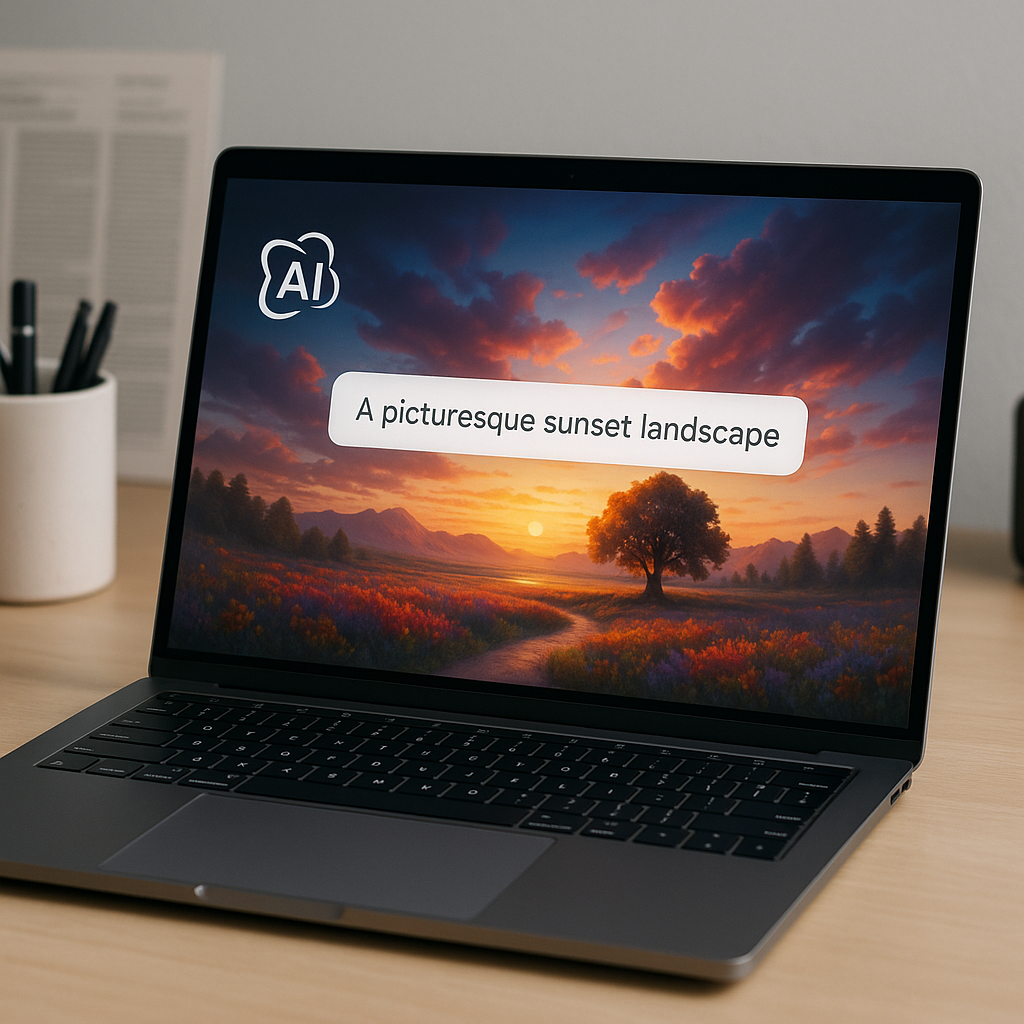
Unleashing Creativity: How Image Generators Are Transforming Art and Design
January 20, 2026
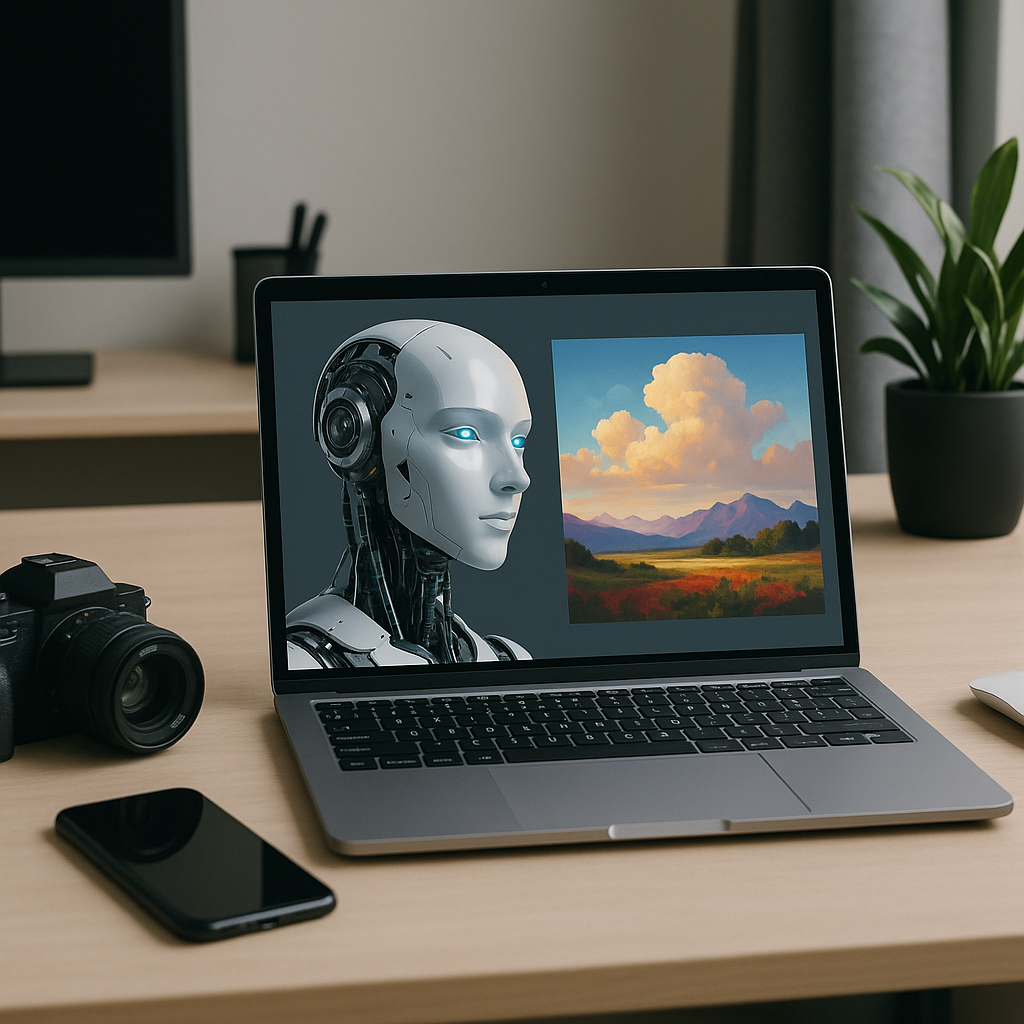
Unlocking Creativity: How Image Generators Are Transforming Art and Design
January 27, 2026
Unlock Your Creativity: How Image Generators Are Transforming Digital Artistry
January 21, 2026

Maximum Potential
Get the full experience with Pro Plan
INFORMATION