April 13, 2026
Unlock Your Creativity: The Rise of Image Generators Transforming Art in 2023
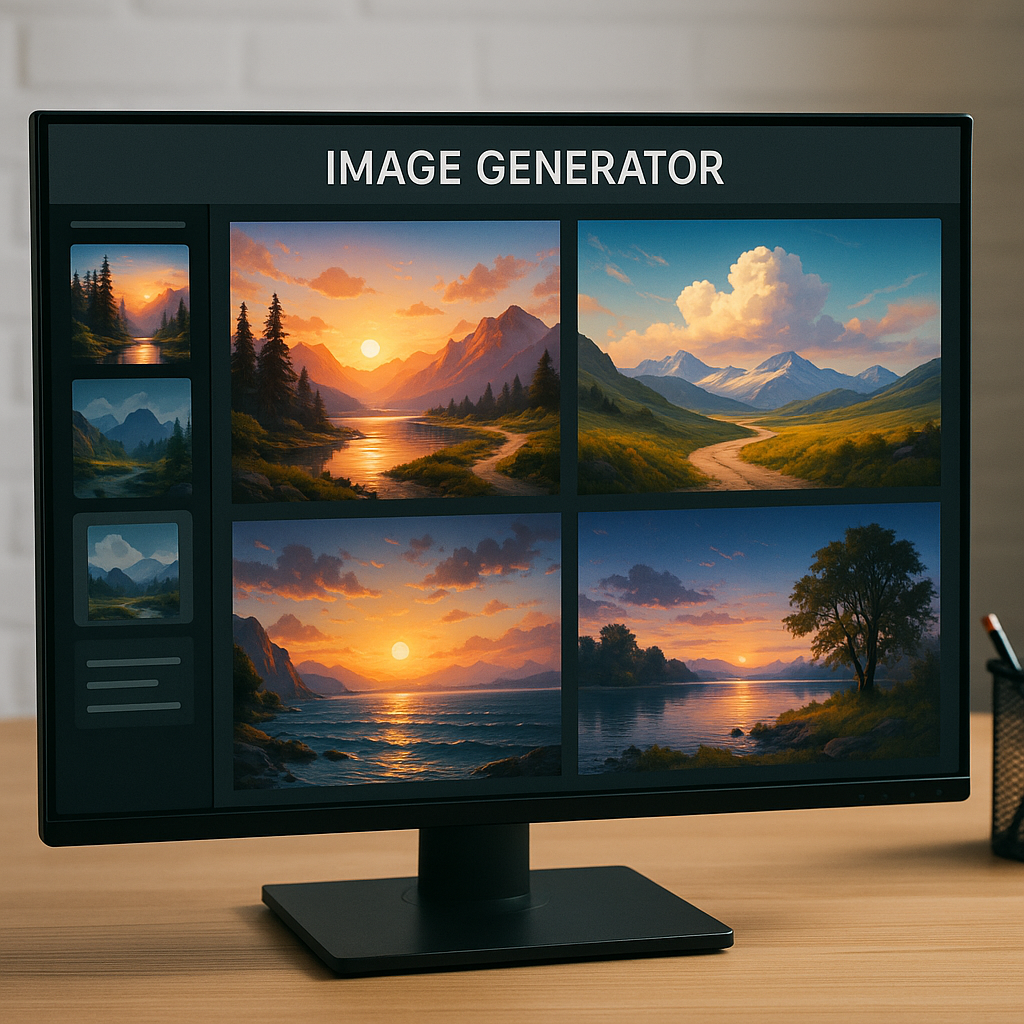
Image Generators
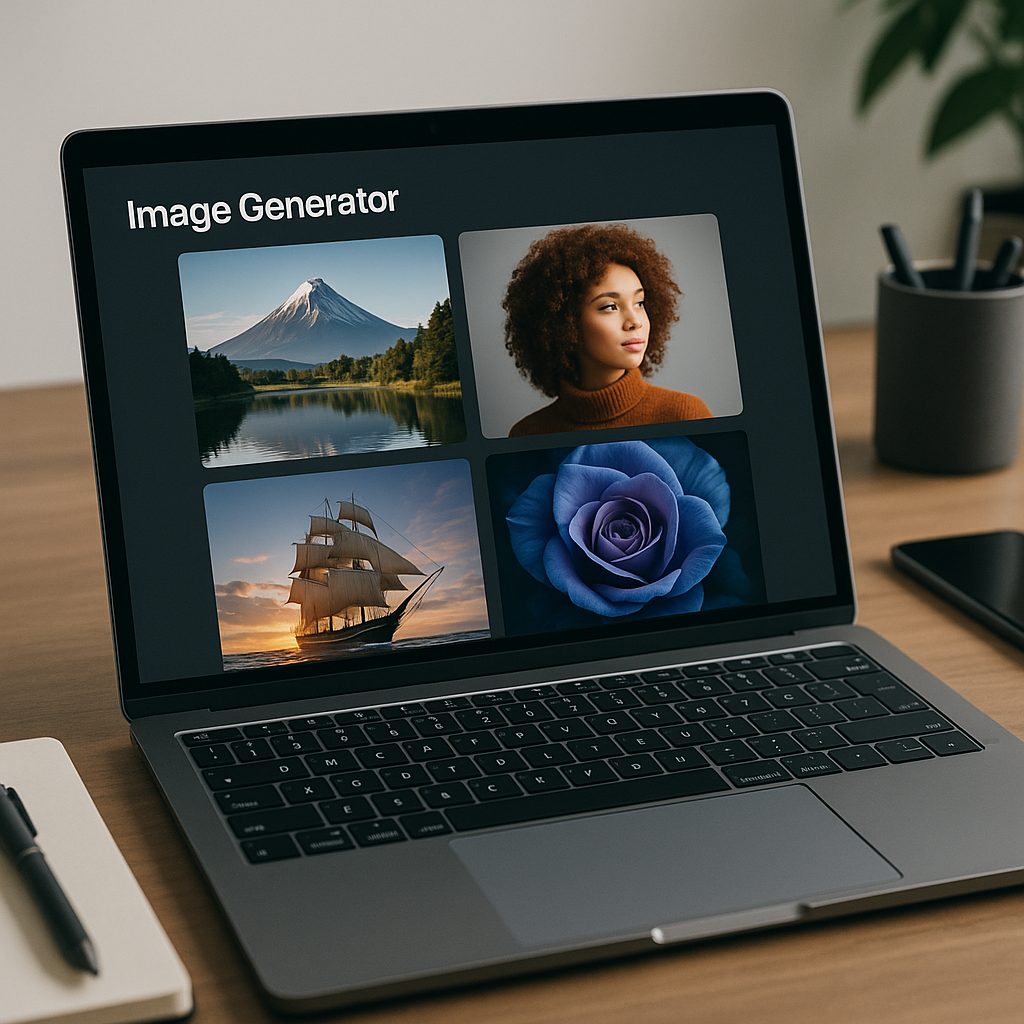
In recent years, image generators have emerged as a revolutionary technology, transforming the way individuals and businesses create visual content. These innovative tools utilize artificial intelligence (AI) and machine learning algorithms to generate a wide range of images, from realistic photographs to surreal artwork. As they gain popularity across various sectors, understanding their functionality, applications, and implications becomes increasingly essential.
At the core of most image generators lies a neural network, a complex structure modeled after the human brain, capable of learning and recognizing patterns. Generative Adversarial Networks (GANs) are particularly noteworthy in this domain. A GAN consists of two neural networks: a generator that creates images and a discriminator that evaluates them. The generator tries to produce images that fool the discriminator into believing they are real, while the discriminator aims to distinguish between genuine images and those created by the generator. This back-and-forth process continues until the generator produces high-quality images that are nearly indistinguishable from real ones.
The applications of image generators span across numerous fields, including entertainment, marketing, fashion, and even healthcare. In the gaming industry, developers can utilize these tools to create expansive virtual environments and characters, significantly reducing the time and resources needed for manual design. Additionally, filmmakers are experimenting with AI-generated visuals to enhance special effects and concept art, leading to more immersive storytelling experiences.
In marketing, brands are leveraging image generators to create personalized advertisements tailored to specific audiences. Companies can analyze consumer data and generate images that resonate with target demographics, thereby boosting engagement and conversion rates. For instance, a fashion retailer might use an image generator to create unique clothing designs based on current trends, appealing directly to consumer preferences without the need for extensive photo shoots or designer input.
The fashion industry, in particular, has seen a surge in the use of image generators. Designers are using these tools to visualize collections before they are produced, allowing for rapid prototyping and experimentation with various styles and colors. Furthermore, AI-driven fashion platforms can generate entire lookbooks, showcasing outfits modeled by virtual avatars that embody diverse body types, ethnicities, and genders, promoting inclusivity and representation.
Healthcare applications of image generators are also on the rise. Medical professionals are exploring the potential of AI to generate synthetic medical images for training purposes. By creating realistic images of conditions or anomalies, practitioners can enhance their diagnostic skills without compromising patient privacy. Moreover, researchers are investigating the use of generative models to simulate biological processes, aiding in drug discovery and the understanding of complex diseases.
Despite their numerous advantages, the rise of image generators raises critical ethical considerations. One major concern is the potential for misuse in creating misleading or harmful content. The ability to generate hyper-realistic images can be exploited for creating deepfakes—manipulated media that can deceive viewers into believing false narratives. This technology poses significant threats to personal reputations and societal trust, as seen in various instances of misinformation campaigns.
Moreover, issues of copyright and ownership are becoming increasingly complex in the realm of AI-generated content. If an image generator creates a unique piece of art, who owns the rights to that image? The original programmer, the user who inputted the parameters, or the AI itself? Navigating these legal waters is crucial as image generation technology continues to evolve and proliferate.
Another concern is the potential for job displacement within creative industries. While image generators can streamline processes and reduce costs, they also threaten traditional roles in graphic design, illustration, and photography. As AI tools become more sophisticated, there is an ongoing debate about the balance between human creativity and machine-generated content. Many industry experts advocate for a collaborative approach, where AI serves as an assistant rather than a replacement, enhancing human creativity rather than diminishing it.
In response to the rapid advancement of image generation technology, various organizations are establishing guidelines and best practices to ensure ethical use. Initiatives focusing on transparency, accountability, and responsible AI development aim to mitigate the risks associated with this powerful tool. As technology continues to advance, fostering a dialogue between technologists, ethicists, and the public will be essential in shaping the future of image generation.
Looking ahead, the future of image generators appears bright and full of potential. With ongoing advancements in AI and machine learning, the quality and diversity of generated images will only improve. As these tools become more accessible, they will empower individuals and businesses alike to unleash their creativity without the constraints of traditional methods. The democratization of image creation can lead to a surge of innovation and artistic expression, fostering new styles and movements within the visual arts.
In conclusion, image generators represent a remarkable intersection of technology and creativity. While they offer exciting opportunities across various sectors, it is crucial to navigate the accompanying ethical challenges with foresight and responsibility. As we stand at the threshold of a new era in visual content creation, embracing the possibilities while addressing the potential pitfalls will determine how society harnesses this groundbreaking technology for the greater good.
Recent Posts
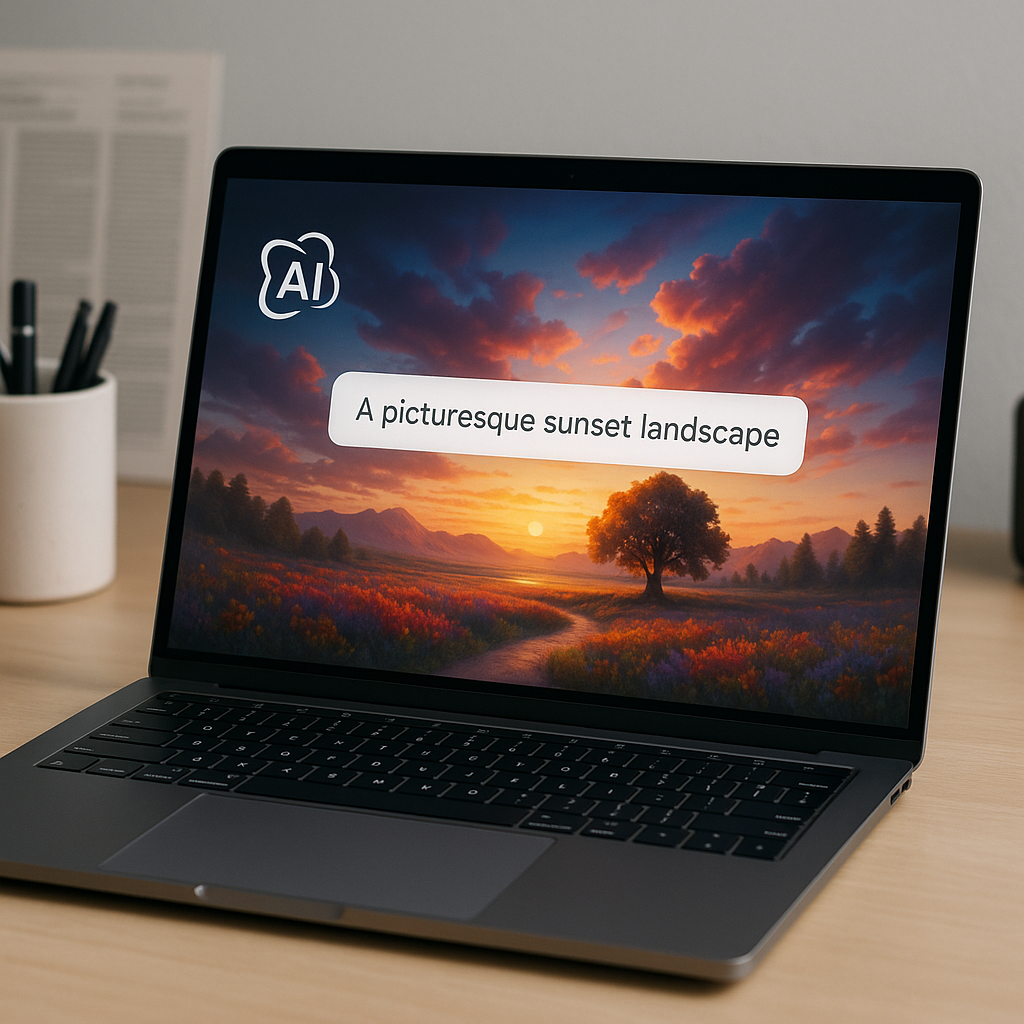
Unleashing Creativity: How Image Generators Are Transforming Art and Design
January 20, 2026
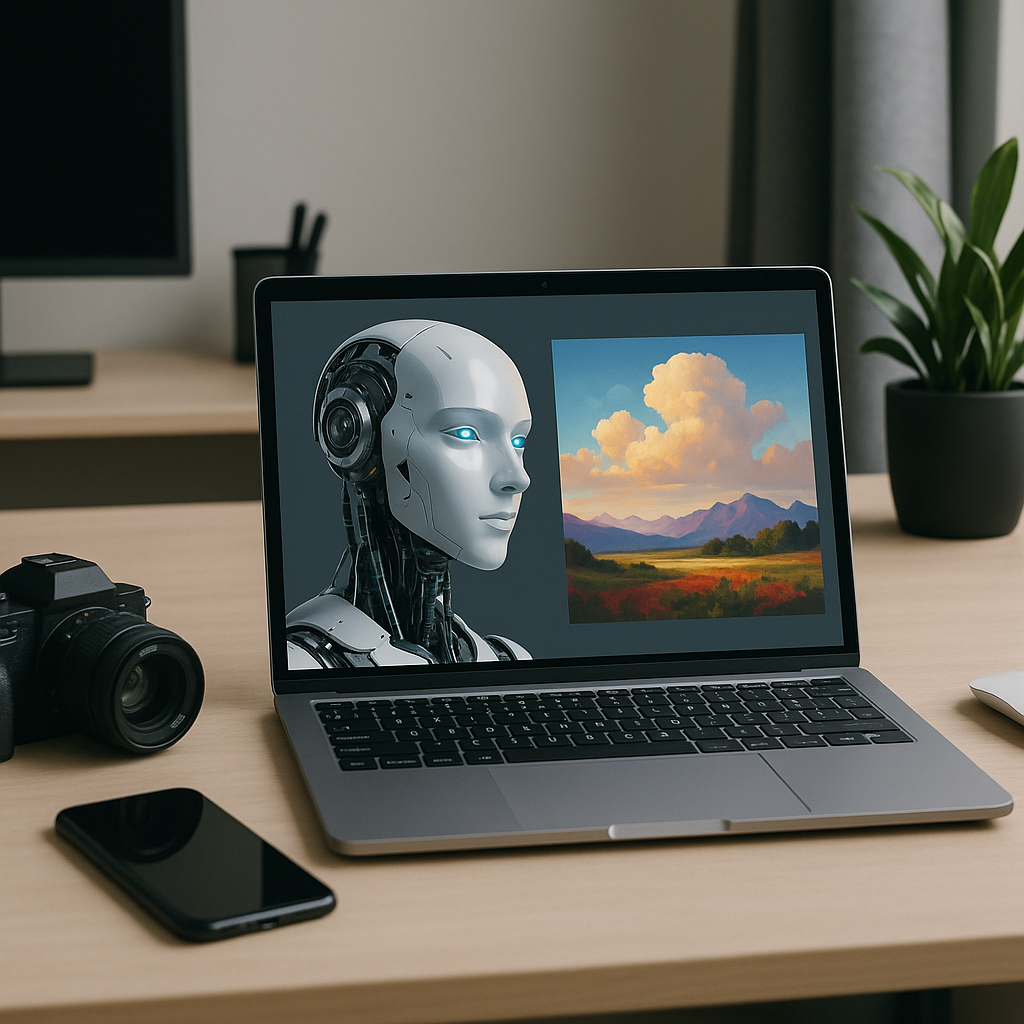
Unlocking Creativity: How Image Generators Are Transforming Art and Design
January 27, 2026
Unlock Your Creativity: How Image Generators Are Transforming Digital Artistry
January 21, 2026

Maximum Potential
Get the full experience with Pro Plan
INFORMATION