February 16, 2026
Unlock Your Creativity: Top 10 Image Generators Revolutionizing Digital Art in 2023
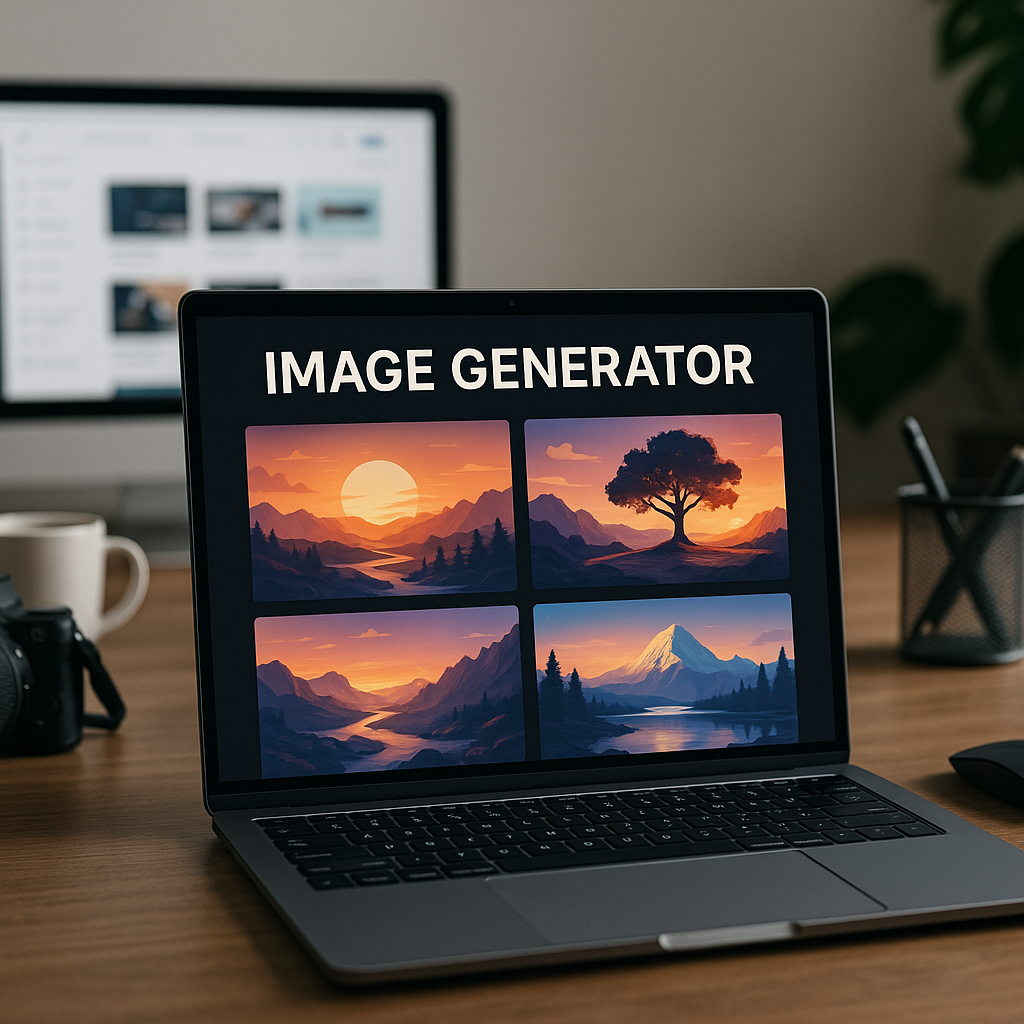
Image Generators
In recent years, image generators have gained significant traction, revolutionizing the way artists, designers, and everyday users create visual content. These advanced technologies leverage artificial intelligence (AI) and machine learning algorithms to produce unique images based on text prompts or existing images. As the demand for digital content continues to soar, the impact of image generators on various industries is profound, reshaping creative processes and redefining the roles of artists and designers.
At the core of image generation technology are neural networks, specifically Generative Adversarial Networks (GANs) and diffusion models. GANs consist of two competing networks: a generator that creates images and a discriminator that evaluates them. Through this adversarial process, the generator learns to produce increasingly realistic images over time. Diffusion models, on the other hand, work by gradually transforming random noise into coherent images through a series of steps, making them particularly adept at generating high-quality visuals.
One of the most notable developments in image generation is the rise of platforms like DALL-E, Midjourney, and Stable Diffusion. DALL-E, developed by OpenAI, can generate intricate images from textual descriptions, allowing users to produce artwork simply by typing in their ideas. Midjourney has also gained popularity for its artistic flair, catering to users looking for stylized and imaginative outputs. Meanwhile, Stable Diffusion has made waves due to its open-source nature, enabling developers to create their own applications using the core technology.
The applications of image generators are vast and versatile. In the realm of digital art, artists are using these tools to brainstorm ideas, create drafts, or even produce final pieces. This has led to a new form of collaboration between human creativity and machine precision. Artists often input various prompts, experimenting with different styles and concepts, and then refine the generated images to fit their vision. This synergy between human and machine is not just a trend; it represents a shift in the creative process, where technology enhances rather than replaces human creativity.
Moreover, businesses in marketing and advertising are leveraging image generators to create compelling visuals for campaigns. Traditional image creation can be time-consuming and expensive, requiring specialized skills and resources. However, with image generators, companies can quickly produce high-quality images tailored to specific themes or messages without the need for extensive graphic design knowledge. This democratization of design allows smaller businesses to compete on a more level playing field with larger corporations.
Despite the numerous advantages, the rise of image generators is not without controversy. One of the primary concerns is the potential for misuse, particularly in generating misleading or harmful content. Instances of deepfakes and manipulated images can disrupt public trust and spread misinformation. As a result, developers of these technologies are increasingly focused on implementing ethical guidelines and safety measures to mitigate these risks. OpenAI, for instance, has put restrictions on the types of images DALL-E can generate to prevent the creation of harmful or inappropriate content.
Intellectual property issues also loom large in discussions surrounding image generators. As these tools can produce images that closely resemble existing artworks or styles, questions arise about ownership and originality. Who owns the rights to an image created by an AI? Is it the user who provided the prompt, the developers of the AI, or the original artists whose styles were emulated? These legal gray areas highlight the need for new frameworks and regulations to address the implications of AI-generated content.
Moreover, the impact of image generators extends into education and training. Art schools and design programs are beginning to incorporate AI tools into their curricula, teaching students how to use these technologies effectively. By blending traditional techniques with modern tools, the next generation of artists and designers can explore new creative possibilities and stay relevant in an ever-evolving digital landscape.
Furthermore, the accessibility of image generators is transforming how individuals engage with art and design. People who may not have formal training can easily create visually appealing content, leading to a surge of creativity across social media platforms. This democratization of art allows for diverse voices and perspectives to be represented in the digital space, enriching the cultural landscape.
As image generators continue to evolve, their integration into various sectors will likely deepen. Industries such as gaming, film, and fashion are beginning to experiment with these technologies, using them for concept art, storyboarding, and even virtual clothing design. The potential for customization and rapid prototyping is particularly appealing in these industries, where visual content is paramount.
Looking forward, the future of image generators appears bright, yet it demands careful consideration of ethical implications, legal frameworks, and the societal impact of AI-generated content. As technology progresses, it will be essential for developers, artists, businesses, and policymakers to collaborate and establish guidelines that promote responsible use while fostering innovation. The balance between harnessing the power of AI and maintaining the integrity of creative expression will ultimately shape the next chapter in the story of image generation.
In conclusion, image generators stand at the forefront of a creative revolution, offering unprecedented opportunities for innovation and collaboration. As these tools continue to advance, they will undoubtedly play a significant role in shaping the future of art, design, and communication. The journey of integrating AI into the creative process is just beginning, and the possibilities are as limitless as the imagination itself.
Recent Posts
Breakthrough in Neural Networks: How New AI Models Revolutionize Global Tech
June 16, 2026
Head-to-Head: Comparing Neural Network Models and Their Impact on AI Work Today
June 16, 2026
New Breakthrough in Image Generators Promises to Revolutionize Artistic Expressi...
June 16, 2026
Maximum Potential
Get the full experience with Pro Plan
INFORMATION