January 24, 2026
Unlock Your Creativity: Top 5 Image Generators Transforming Visual Content in 2023
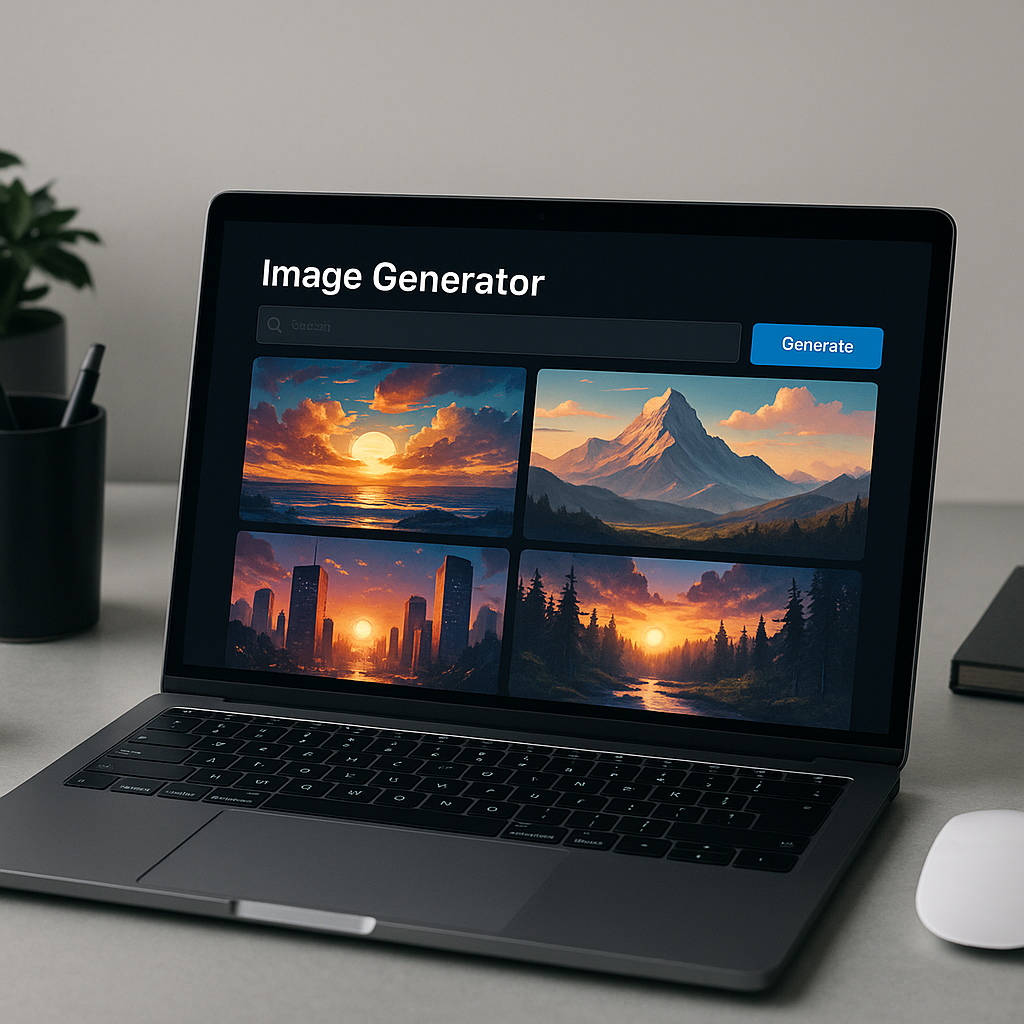
Image Generators
The rise of image generators has transformed the landscape of digital art and media creation, revolutionizing how creators visualize their ideas and bring them to life. These innovative tools, powered by advanced artificial intelligence algorithms, have made it possible for anyone, regardless of artistic skill, to generate stunning visual content with just a few clicks. As the technology continues to evolve, its implications for various industries are both exciting and complex.
At the heart of image generation lies a branch of AI known as generative adversarial networks (GANs). These networks consist of two competing algorithms: one generates images while the other evaluates them, providing feedback to improve the outputs. Over the years, this technology has advanced significantly, leading to the development of user-friendly applications that allow individuals to create everything from realistic portraits to surreal landscapes.
Prominent platforms like DALL-E, Midjourney, and Stable Diffusion have garnered immense popularity, each offering unique features that cater to different user needs. DALL-E, developed by OpenAI, is celebrated for its ability to generate highly detailed images from textual descriptions. Users can input phrases like "a two-headed flamingo in a futuristic city," and the AI will create a corresponding image that is often astonishing in its creativity. Similarly, Midjourney, which operates primarily through Discord, has cultivated a community of artists and enthusiasts who share their creations while exploring the boundaries of imagination.
Stable Diffusion, on the other hand, has gained traction for its open-source model, allowing developers to modify and adapt the technology for various applications. This flexibility has democratized access to image generation, enabling a wider audience to experiment and innovate. The open-source nature also fosters collaboration within the tech community, with users contributing improvements and new features that enhance the overall functionality of the tool.
As image generators become more accessible, they have sparked a considerable debate about the implications for artists and the creative industry. Some traditional artists express concern over the potential devaluation of their work, fearing that the ease of generating art through AI could undermine their skills and years of dedication. However, proponents argue that these tools can serve as a new medium for artistic expression rather than a replacement. They can facilitate the creative process by providing inspiration, generating ideas, or even acting as a collaborative partner in the artistic endeavor.
The education sector is also embracing image generators as a teaching tool. Art and design instructors are incorporating these technologies into their curricula, helping students explore concepts of composition, color theory, and visual storytelling. By using image generators, students can quickly visualize their ideas, allowing them to focus on refining their artistic voice and understanding the principles of design without getting bogged down by technical skill limitations.
Moreover, the advertising and marketing industries have found immense value in image generation technology. Brands are using AI-generated images to create eye-catching visuals for campaigns, social media posts, and product presentations. The ability to produce custom imagery tailored to specific themes or messages enables companies to stand out in a crowded digital landscape. This trend has led to discussions about the ethical considerations surrounding the use of AI-generated content in marketing, particularly in terms of authenticity and transparency.
Despite the myriad benefits, the rise of image generators is not without its challenges. Issues such as copyright, ownership, and ethical use of AI-generated content have become increasingly pertinent. As these tools can mimic existing styles and artworks, questions arise about the potential for copyright infringement and the originality of AI-generated images. Creators and lawmakers are grappling with how to navigate these complexities, ensuring that artists' rights are protected while still fostering innovation in the digital space.
Another significant concern is the potential for misuse of image generators. The ability to create realistic images can lead to the generation of misleading or harmful content, including deepfakes or propaganda. As AI technology becomes more sophisticated, the line between reality and fabrication blurs, prompting discussions about the responsibility of developers and users in mitigating these risks.
As we look to the future, it is clear that image generators are here to stay. The technology will likely continue to advance, offering even greater capabilities and creative possibilities. The integration of user feedback, ethical guidelines, and collaborative efforts within the creative community will be essential in shaping the trajectory of this technology. As artists, educators, and businesses adapt to these changes, they will play a pivotal role in defining how image generation enhances rather than detracts from the human creative experience.
In conclusion, image generators represent a significant leap forward in the interplay between technology and creativity. While the challenges posed by AI-generated content are substantial, the potential for innovation and new forms of artistic expression is equally compelling. The ongoing dialogue surrounding these technologies will help ensure that they serve as tools for empowerment and inspiration, rather than detracting from the rich tapestry of human creativity.
Recent Posts
Breakthrough in Neural Networks: How New AI Models Revolutionize Global Tech
June 16, 2026
Head-to-Head: Comparing Neural Network Models and Their Impact on AI Work Today
June 16, 2026
New Breakthrough in Image Generators Promises to Revolutionize Artistic Expressi...
June 16, 2026
Maximum Potential
Get the full experience with Pro Plan
INFORMATION