February 25, 2026
Unlocking Creativity: How Image Generators Are Revolutionizing Digital Art
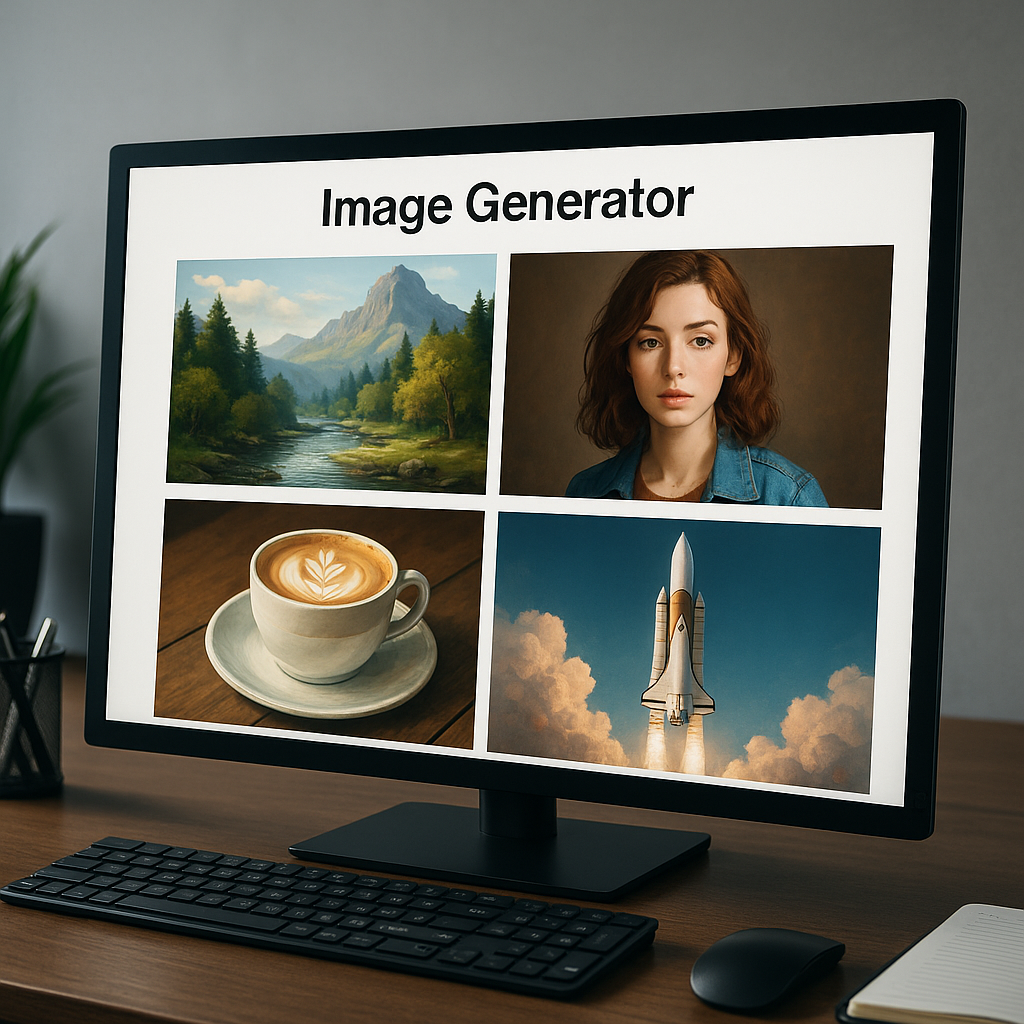
Image Generators
In recent years, the emergence of image generators has revolutionized the landscape of digital art, design, and content creation. These powerful tools, often powered by artificial intelligence (AI), have democratized the process of visual creation, allowing individuals and businesses alike to generate stunning images with little to no artistic skill. As technology advances and the demand for unique visual content increases, image generators are becoming an integral part of various industries, from marketing to entertainment.
Image generators typically utilize deep learning algorithms, particularly a subset known as Generative Adversarial Networks (GANs). This technology involves two neural networks, a generator and a discriminator, that work in tandem. The generator creates images, while the discriminator evaluates them against real images, providing feedback to improve the generator's output. Over time, this process leads to the creation of images that can be strikingly realistic and artistically diverse.
One of the most renowned examples of an image generator is OpenAI's DALL-E, which has captured the imagination of both the public and professionals. DALL-E can produce images from textual descriptions, allowing users to create visuals simply by typing in a phrase. For instance, a user could request "a cat lounging on a beach under a rainbow," and DALL-E would generate an image that matches this description. This capability not only serves artists and designers but also provides businesses with an innovative way to generate marketing material quickly.
Another notable player in the image generation field is Midjourney, which has gained popularity for its ability to create high-quality artistic images based on user prompts. Midjourney emphasizes creativity, enabling users to experiment with various styles and aesthetics, making it a favorite among artists seeking inspiration or unique visual assets for their projects. The platform has fostered a vibrant community where users share their creations, offering a space for collaboration and feedback.
The impact of image generators extends beyond the art world into various sectors, including e-commerce, gaming, and social media. In e-commerce, businesses are utilizing these tools to create product images that resonate with consumers. For example, a furniture retailer could generate realistic renderings of how a piece of furniture would look in different settings, aiding customers in visualizing their potential purchases. This not only enhances the shopping experience but can also lead to increased sales.
In the gaming industry, developers are leveraging image generators to create expansive virtual worlds and character designs. Instead of relying solely on traditional art teams, studios can use these tools to generate preliminary designs, which can then be refined by human artists. This hybrid approach speeds up the development process and allows for greater creativity, as the AI can produce ideas that might not have been considered otherwise.
Social media platforms are also adopting these technologies, allowing users to create unique content that stands out in a crowded digital landscape. Applications like Canva and Adobe Spark have begun integrating AI-driven image generation features, enabling users to craft visually appealing graphics for posts, advertisements, and promotions. By lowering the barrier to entry for high-quality content creation, these tools empower individuals and small businesses to compete with larger brands.
However, the rise of image generators is not without its challenges and controversies. One major concern revolves around copyright and intellectual property rights. As AI-generated images become more prevalent, questions arise about who owns the rights to these creations. Is it the user who prompts the generator, the developers of the AI, or the AI itself? This legal gray area poses significant challenges as the technology continues to evolve and proliferate in creative industries.
Additionally, the potential for misuse is a pressing issue. Image generators can create hyper-realistic images that can be used to spread misinformation or create deepfakes, which can have serious ethical implications. The ability to produce convincing images at scale raises concerns about the authenticity of visual content, making it increasingly difficult for consumers to discern what is real and what is artificially generated. As a result, there is a growing call for regulatory measures to govern the use of these technologies responsibly.
Moreover, the question of originality and artistic integrity is a topic of heated debate among artists and critics. Some argue that AI-generated images lack the emotional depth and intentionality inherent in human-created art. While image generators can produce visually stunning results, critics contend that they cannot replicate the unique perspective and experiences that individual artists bring to their work. This ongoing discussion continues to shape the perception of AI in creative fields.
Despite these challenges, the future of image generators appears bright. As technology continues to advance, we can expect improvements in the quality and diversity of images produced by these AI systems. Researchers are exploring new methodologies to enhance the capabilities of image generators, making them more intuitive and user-friendly. Additionally, collaborations between artists and AI developers are likely to yield exciting new forms of creative expression, blurring the lines between human and machine-generated art.
In conclusion, image generators are transforming the way we think about and create visual content. With their ability to generate high-quality images quickly and cost-effectively, these tools are becoming indispensable in various industries. While challenges regarding copyright, misuse, and artistic integrity remain, the potential for innovation and collaboration between humans and AI promises to shape the future of digital creativity. As we navigate this new frontier, it is crucial to foster discussions around responsible use and ethical considerations to ensure that the benefits of image generators can be enjoyed by all.
Recent Posts
Breakthrough in Neural Networks: How New AI Models Revolutionize Global Tech
June 16, 2026
Head-to-Head: Comparing Neural Network Models and Their Impact on AI Work Today
June 16, 2026
New Breakthrough in Image Generators Promises to Revolutionize Artistic Expressi...
June 16, 2026

Maximum Potential
Get the full experience with Pro Plan
INFORMATION