April 12, 2026
Unlocking Creativity: How Image Generators Are Revolutionizing Visual Artistry
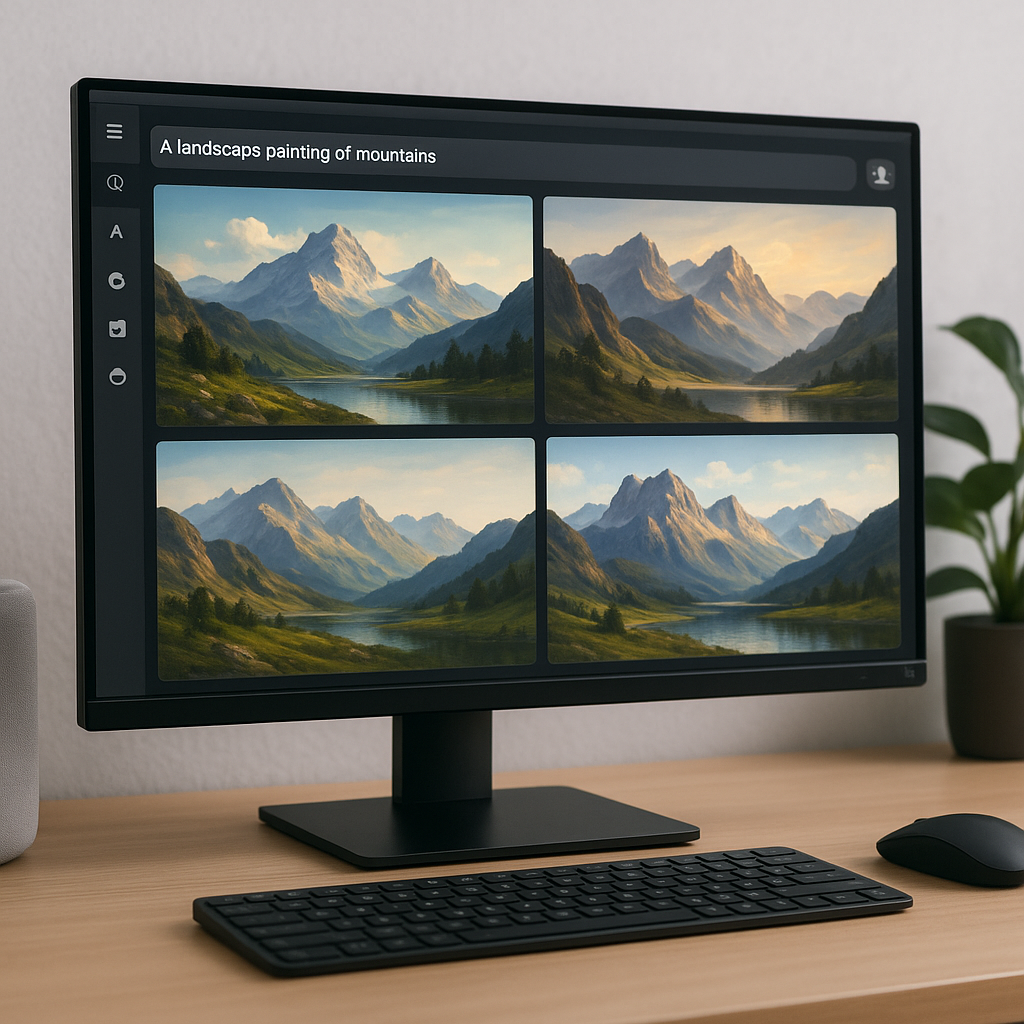
Image Generators
The digital landscape has been transformed by the advent of image generators, a technology that harnesses the power of artificial intelligence to create visuals from textual descriptions. This innovation has not only reshaped the way artists and designers create but has also opened up new avenues for businesses, marketers, and content creators. As image generators gain traction, they are becoming an integral part of various industries, from advertising to gaming and beyond.
At the core of image generators are advanced algorithms and models, such as Generative Adversarial Networks (GANs) and diffusion models. These systems learn from vast datasets, analyzing millions of images and their textual descriptions to understand the intricate relationship between words and visuals. By doing so, they can generate images that closely align with the input prompts provided by users. For instance, a user can input a phrase like "a serene mountain landscape at sunset," and the generator will produce a corresponding image that visually represents this description. This capability has democratized access to high-quality imagery, enabling individuals with no artistic skills to create stunning visuals.
One of the most popular platforms in this domain is OpenAI's DALL-E, which gained significant attention for its ability to generate detailed and imaginative images from simple text prompts. DALL-E's success is attributed to its sophisticated understanding of context, allowing it to produce unique images that often include elements not commonly found together. For example, users can ask for an "armchair in the shape of an avocado," and DALL-E can generate a visually coherent representation of this surreal concept. This level of creativity has sparked discussions about the potential applications of such technology in various fields.
In the advertising sector, brands are leveraging image generators to create engaging marketing materials faster and more cost-effectively. Traditional methods of hiring photographers or graphic designers can be time-consuming and expensive. With image generators, companies can quickly produce visuals tailored to specific campaigns, enhancing their ability to respond to market trends and consumer demands. This shift not only streamlines the creative process but also allows for greater experimentation, as brands can test multiple visual concepts in a short time frame.
Moreover, the gaming industry has started to embrace image generators for creating assets such as characters, environments, and textures. Game developers can utilize these tools to generate unique in-game content, reducing the time and resources spent on manual design. This is particularly advantageous for indie game developers who often operate on tight budgets and timelines. The ability to generate high-quality visuals quickly can level the playing field, enabling smaller studios to compete with larger companies.
Education is another sector experiencing the benefits of image generators. Educators can create customized illustrations and visual aids for their lessons, making learning more engaging for students. For example, a history teacher can generate images depicting historical events or figures, enriching the educational experience and helping students visualize complex concepts. Additionally, students can use these tools for their projects, fostering creativity and innovation in their work.
However, the rise of image generators is not without its challenges and ethical considerations. One primary concern revolves around copyright and ownership issues. As these AI models generate images based on existing content, questions arise about the originality of the output and the rights of the original creators. The debate intensifies when considering commercial use; if a generated image is too similar to an existing work, it could infringe upon copyright laws. This uncertainty has prompted discussions among legal experts, artists, and technologists about the need for clear guidelines and regulations governing the use of AI-generated content.
Another significant concern is the potential for misuse. Image generators can be leveraged to create misleading or harmful content, such as deepfakes or images that propagate misinformation. As these tools become more accessible, there is a risk that individuals with malicious intent may exploit them to create deceptive visuals that could manipulate public opinion or damage reputations. This necessitates a proactive approach from developers and policymakers to implement safeguards that prevent misuse while still promoting innovation.
Furthermore, the question of artistic integrity is prominent in discussions about image generators. Many traditional artists fear that the rise of AI-generated art could devalue their craft and lead to a decline in appreciation for human artistry. While image generators can produce visually stunning pieces, they lack the emotional depth, context, and narrative that human artists bring to their work. This distinction highlights the importance of recognizing the unique qualities of human creativity, even in an age dominated by technology.
Looking ahead, the future of image generators appears promising, with ongoing advancements likely to enhance their capabilities. Researchers are continuously improving algorithms to produce even more realistic and contextually relevant images, expanding the potential applications of this technology. As AI continues to evolve, we may see image generators integrated into more creative tools, enabling users to collaborate with machines in unprecedented ways.
Moreover, as society navigates the complexities of AI-generated content, there will be an increasing emphasis on ethical standards and responsible use. The creative community, along with technologists and policymakers, will need to engage in dialogue to establish frameworks that balance innovation with accountability. This collaboration is essential to ensure that the benefits of image generators are realized while mitigating the risks associated with their use.
In conclusion, image generators represent a significant leap in the intersection of technology and creativity. They have the potential to revolutionize various industries, providing tools that enhance productivity and foster innovation. However, as this technology continues to develop, it is crucial to address the ethical implications and ensure that the creative rights of individuals are upheld. With thoughtful consideration and collaborative efforts, society can harness the power of image generators while preserving the essence of human creativity.
Recent Posts
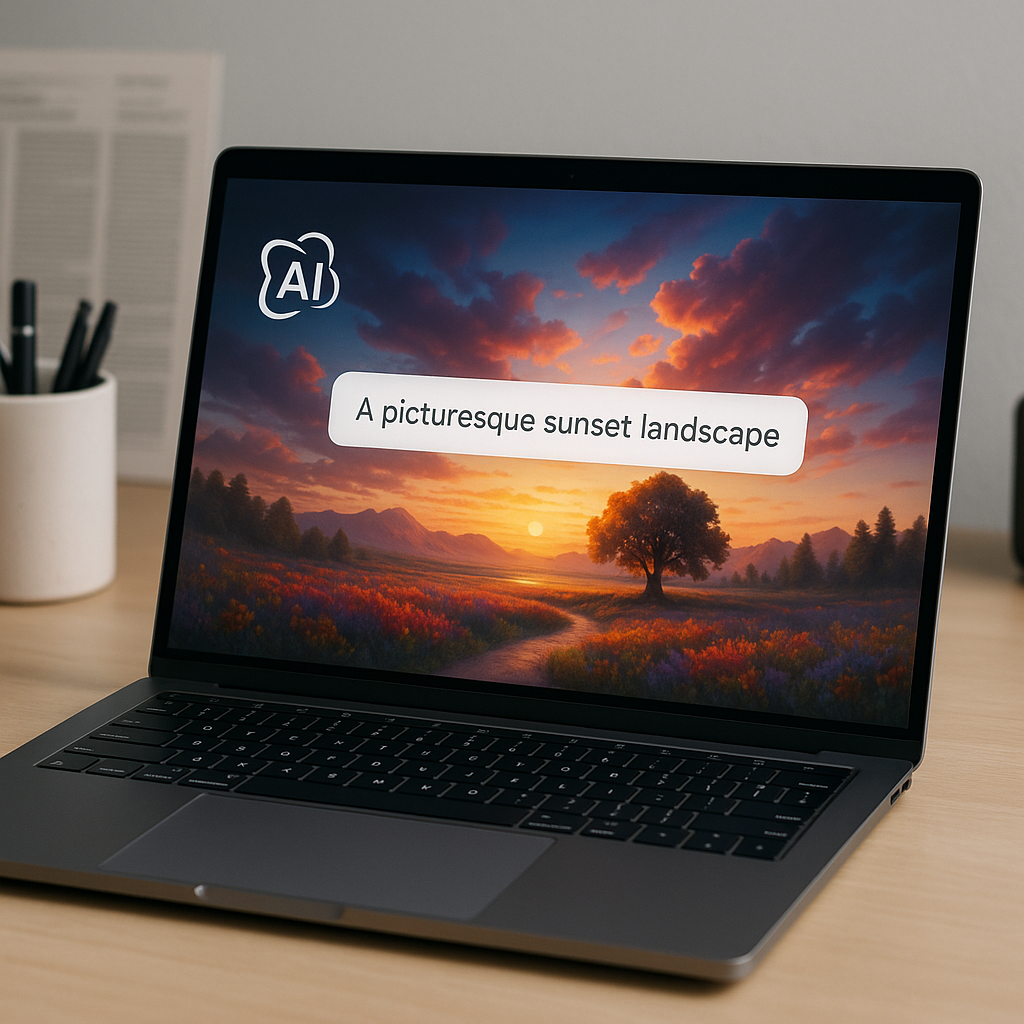
Unleashing Creativity: How Image Generators Are Transforming Art and Design
January 20, 2026
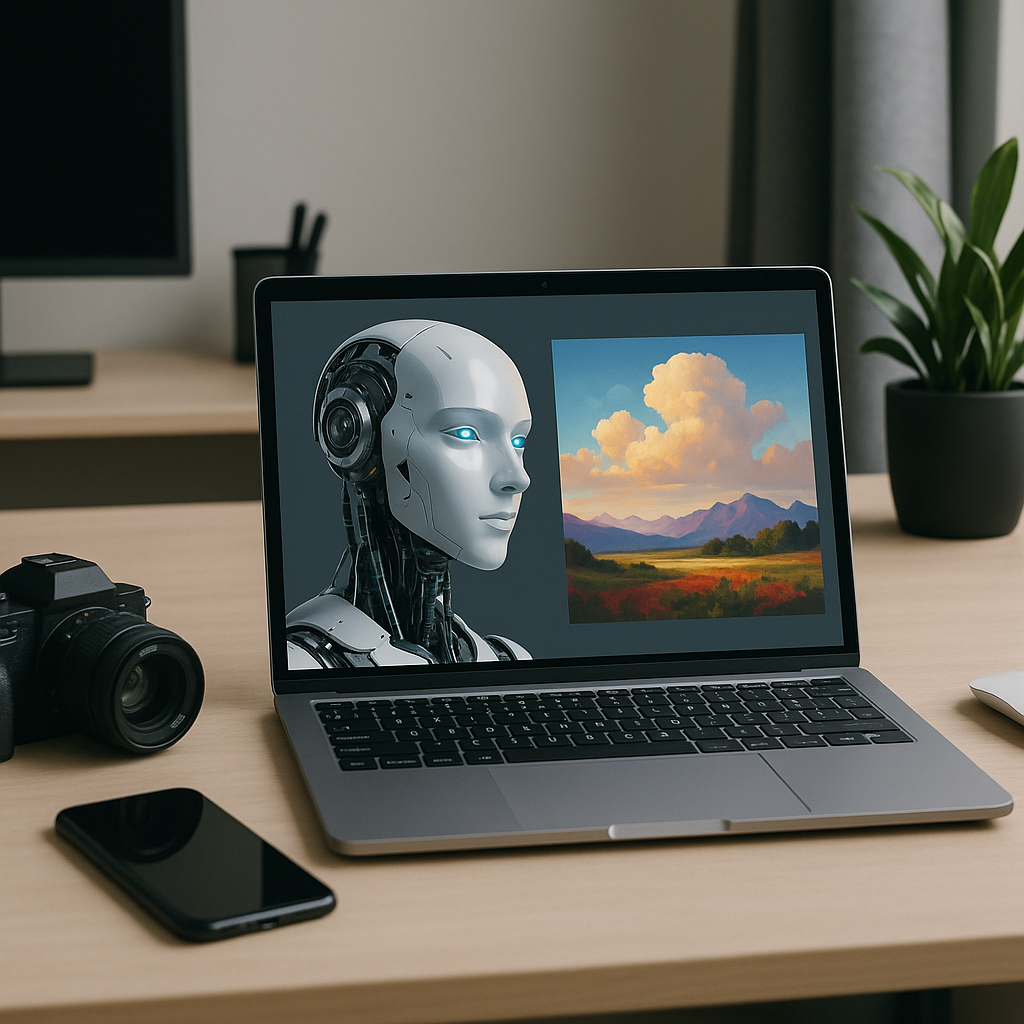
Unlocking Creativity: How Image Generators Are Transforming Art and Design
January 27, 2026
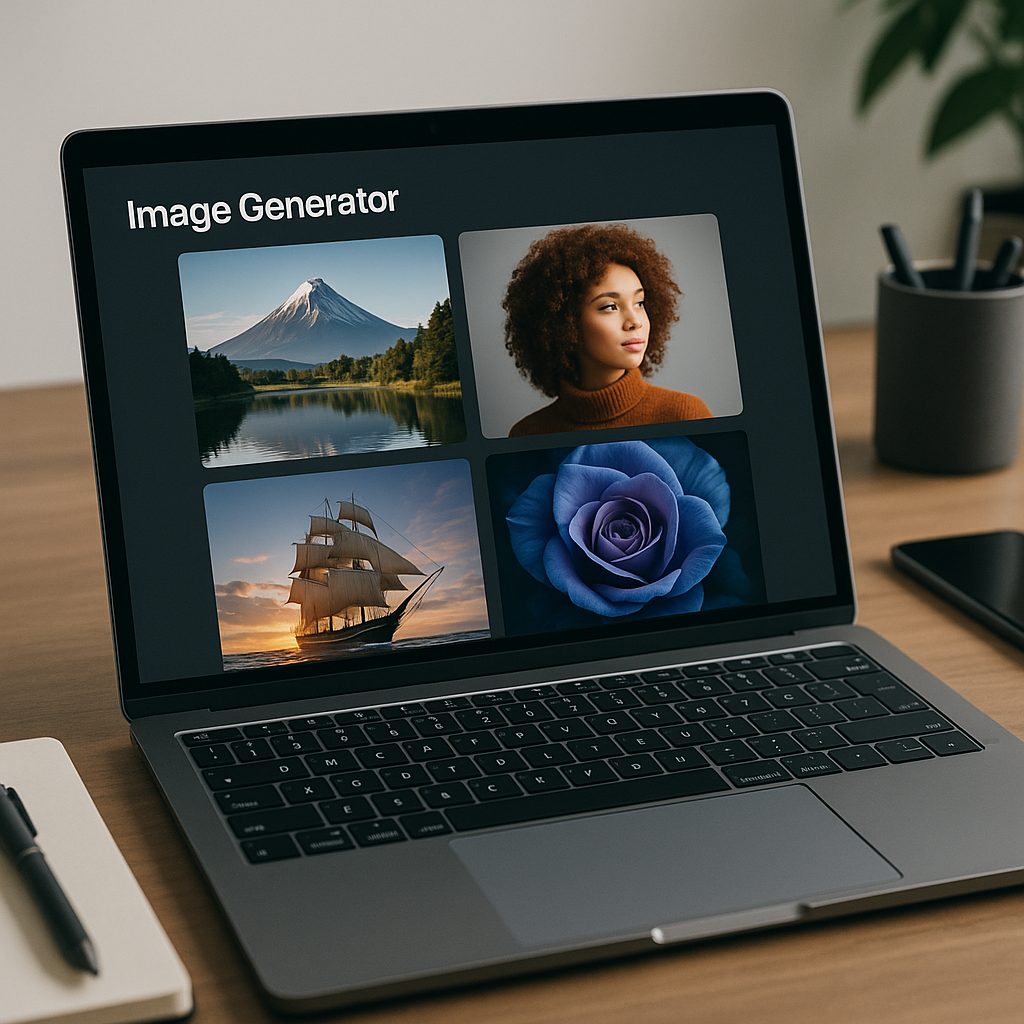
Unlock Your Creativity: How Image Generators Are Transforming Digital Artistry
January 21, 2026

Maximum Potential
Get the full experience with Pro Plan
INFORMATION