February 1, 2026
Unlocking Creativity: How Image Generators Are Transforming Digital Art in 2023
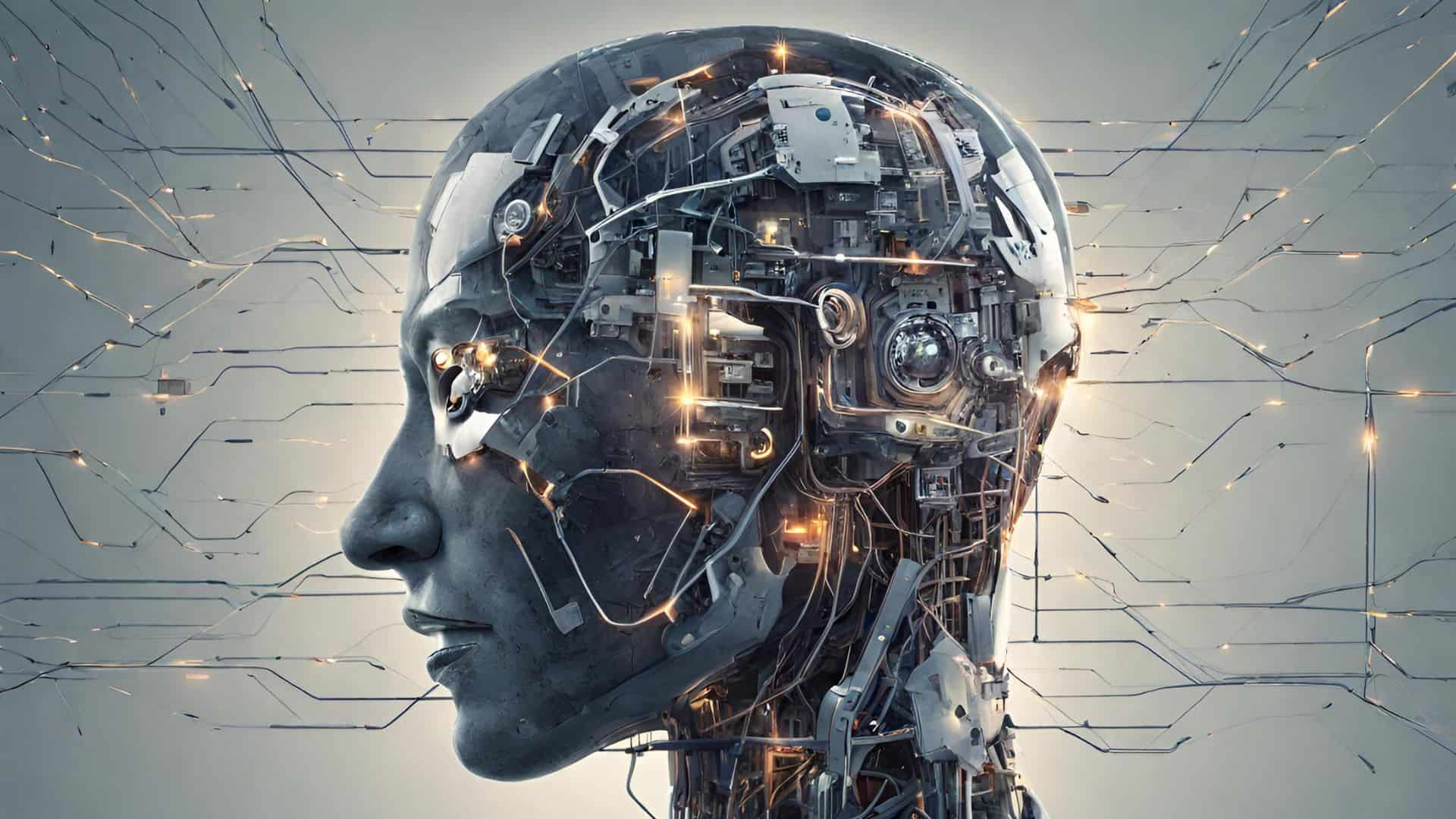
Image Generators
In recent years, the rise of artificial intelligence has transformed various industries, and one of the most captivating developments has been the emergence of image generators. These innovative tools leverage deep learning algorithms to create stunning visuals, ranging from realistic photographs to abstract artwork, all based on textual descriptions or prompts provided by users. As businesses, artists, and individuals explore the vast possibilities that image generators offer, the implications of this technology are reverberating across creative fields, marketing, and even scientific research.
At the core of most image generators is a neural network architecture known as Generative Adversarial Networks (GANs). This technology consists of two neural networks: the generator and the discriminator. The generator creates images, while the discriminator evaluates them against actual images, providing feedback that helps the generator improve its output. Over time, this collaborative process enables the generator to produce increasingly realistic images that can be indistinguishable from those captured by cameras or created by human artists.
One of the most notable advancements in image generation is the development of models like DALL-E and its successors, which are designed to create images from textual descriptions. For example, users can input a phrase like "a two-headed flamingo wearing a top hat," and the model will generate a unique image that matches the description. This capability not only showcases the technical prowess of AI but also opens up a new realm of creativity, where anyone can become an artist with just a few words.
The implications of image generators extend beyond mere novelty. In the marketing sector, businesses are leveraging these tools to create eye-catching visuals for advertisements, social media campaigns, and websites. The ability to produce tailored images quickly allows companies to respond to trends and customer needs with agility. For instance, a fashion retailer can generate images of models wearing specific outfits without the need for expensive photoshoots, thus saving time and resources while maintaining a fresh and engaging online presence.
Moreover, image generators are proving invaluable in the realm of content creation. Bloggers, social media influencers, and even news organizations are utilizing these AI-driven tools to enhance their visual storytelling. By generating custom images that align with their narratives, content creators can captivate their audiences more effectively. This technology allows for the rapid production of visuals that can complement written content, driving engagement and increasing the likelihood of audience retention.
As with any emerging technology, the rise of image generators has sparked a debate over ethics and copyright issues. The question of ownership arises when AI-generated images become indistinguishable from human-created art. Who owns the rights to these images? Is it the developer of the AI, the user who provided the prompt, or does the image exist in a legal gray area? These questions are becoming increasingly relevant as more businesses and individuals integrate image generators into their workflows.
Furthermore, concerns about the potential for misuse of this technology are growing. With the ability to create hyper-realistic images, there is a risk that individuals could generate misleading or harmful content, such as fake news or deepfakes. As a result, tech companies and policymakers are tasked with establishing guidelines and regulations to prevent abuse while still fostering innovation. Initiatives to watermark or track AI-generated images are being discussed as a way to ensure authenticity and mitigate potential harm.
Despite these challenges, the benefits of image generators are undeniable. Artists are finding new avenues for expression, using AI as a collaborative partner rather than a competitor. Many artists are embracing these tools to push the boundaries of their creativity, generating unique styles and concepts that would be difficult to achieve manually. This fusion of human creativity and machine learning is leading to the emergence of new art movements that challenge traditional notions of authorship and creativity.
In the realm of scientific research, image generators are also making their mark. Researchers are using AI to visualize complex data and concepts, creating illustrations that make scientific findings more accessible to the general public. From generating images of molecular structures to simulating astronomical phenomena, these tools are enhancing the way researchers communicate their work and engage with audiences outside of academia.
As the technology continues to evolve, we can expect even more sophisticated image generators capable of producing higher-quality visuals and understanding more nuanced prompts. The integration of other modalities, such as video and audio, could lead to the development of comprehensive multimedia generators that create immersive experiences. The potential applications are vast, and as the boundaries between human and machine creativity blur, society will need to navigate the moral and ethical implications of these advancements.
The future of image generation appears bright, with ongoing advancements promising to enhance the creative landscape. As businesses adopt these tools to streamline their processes, artists explore new forms of creativity, and researchers communicate complex ideas, the impact of image generators will continue to resonate across various fields. With careful consideration of the ethical challenges and a commitment to responsible development, society can harness the power of this technology to inspire creativity and innovation for years to come.
In conclusion, image generators are not just a passing trend but rather a significant advancement in the intersection of technology and creativity. As we embrace this new era of artificial intelligence, it is essential to recognize the potential benefits and challenges that come with it. By fostering a dialogue about ethics, ownership, and responsible use, we can ensure that image generators contribute positively to the creative landscape while minimizing risks. The journey of blending human creativity with machine intelligence is just beginning, and it promises to reshape the way we understand art, communication, and innovation in the digital age.
Recent Posts
Breakthrough in Neural Networks: How New AI Models Revolutionize Global Tech
June 16, 2026
Head-to-Head: Comparing Neural Network Models and Their Impact on AI Work Today
June 16, 2026
New Breakthrough in Image Generators Promises to Revolutionize Artistic Expressi...
June 16, 2026
Maximum Potential
Get the full experience with Pro Plan
INFORMATION