February 12, 2026
Unlocking Creativity: How Image Generators Are Transforming Digital Art in 2023
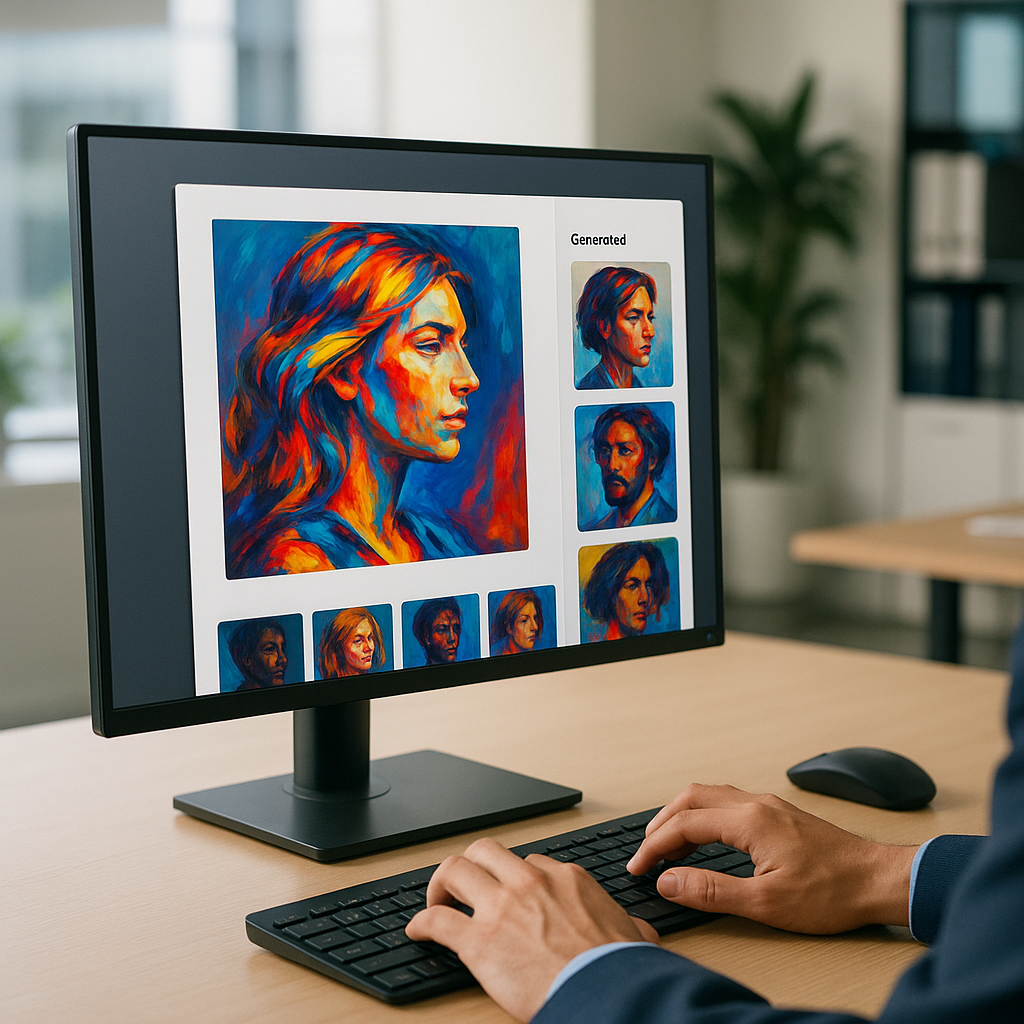
Image Generators
In recent years, image generators have revolutionized the landscape of digital art and content creation, merging artificial intelligence with creative expression. These sophisticated tools, powered by advanced algorithms, can generate stunning visuals based on textual prompts, altering the way artists, designers, and marketers approach their work. This shift is not just about the technology; it signifies a profound change in the relationship between creativity and machine intelligence.
Image generators, particularly those built on deep learning models, utilize vast datasets to understand and recreate visual patterns. Systems like OpenAI's DALL-E, Midjourney, and Stability AI's Stable Diffusion are at the forefront of this movement, showcasing the remarkable capabilities of AI in generating high-quality images from simple textual descriptions. With a few keystrokes, users can create anything from surreal landscapes to realistic portraits, sparking a wave of creativity that was previously unimaginable.
The functionality of these image generators is deeply rooted in neural networks, which mimic the way human brains process information. By analyzing millions of images and their corresponding descriptions, these models learn to associate words with visual elements. When a user inputs a phrase, the AI interprets it and generates an image that aligns with the request, often producing works that blend various artistic styles or push the boundaries of conventional design.
One of the most compelling aspects of image generators is their accessibility. Artists and non-artists alike can leverage these tools to bring their ideas to life without needing extensive training in traditional artistic methods. This democratization of art creation is particularly significant in a society that increasingly values visual communication, from social media to advertising. For brands, the ability to generate unique imagery on demand can streamline workflows and reduce costs associated with hiring professional designers or purchasing stock images.
However, the rise of image generators has not come without controversy. As AI-generated art gains popularity, questions about originality and copyright have emerged. Who owns the rights to an image created by an algorithm? This dilemma has spurred debates among artists, legal experts, and tech developers. In some cases, the outputs of these generators may inadvertently mimic existing works, raising concerns about plagiarism and the potential devaluation of human artistry. As a result, many creators are advocating for clearer guidelines and policies surrounding the use of AI in art.
Moreover, the ethical implications of AI-generated content extend beyond copyright issues. The potential for misuse is significant; image generators can create misleading or harmful visuals, from deepfakes to propaganda. This has raised alarms about the role of AI in perpetuating misinformation and the responsibilities of developers to implement safeguards against malicious use. Some platforms have begun incorporating filters or moderation systems to prevent the generation of inappropriate content, but the effectiveness of these measures remains a topic of ongoing discussion.
Despite these challenges, the creative potential of image generators is undeniable. They offer artists a new palette of possibilities, enabling experimentation and innovation. Many artists are embracing these tools as collaborators rather than competitors, using AI-generated images as starting points or incorporating them into their work. This fusion of human creativity and artificial intelligence fosters a dynamic artistic environment where both can coexist and inspire one another.
In educational settings, image generators are proving to be valuable resources for teaching and learning. Art educators are using them to demonstrate concepts in design and composition, allowing students to explore their creativity in a low-stakes environment. Additionally, these tools can serve as inspirational aids, helping students to visualize ideas that may be challenging to articulate through words alone. As the integration of technology in education continues to evolve, image generators represent a cutting-edge resource for engaging learners.
Furthermore, the impact of image generators extends into various industries beyond traditional art. In gaming, for example, developers can utilize these tools to generate concept art or even entire game environments, speeding up the development process and enhancing creativity. In fashion, designers are experimenting with AI-generated patterns and textiles, pushing the boundaries of what is possible in apparel design. The advertising sector also benefits, as marketers can quickly create tailored visuals for specific campaigns, allowing for a more agile response to market trends.
As we look to the future, the trajectory of image generators seems poised for continued advancement. Emerging technologies, including improvements in machine learning and the integration of augmented and virtual reality, are likely to enhance the capabilities of these tools. Imagine a world where users can not only generate images but also interact with them in immersive environments, creating an entirely new dimension of creativity.
In conclusion, image generators represent a significant evolution in the intersection of technology and art. While they bring forth a myriad of opportunities for innovation and creativity, they also pose important questions that society must address regarding ethics, ownership, and the role of human creativity in an increasingly automated world. As these tools become more integrated into our daily lives, their influence will undoubtedly shape the future of visual communication and artistic expression, paving the way for a new era of collaboration between humans and machines.
Recent Posts
Breakthrough in Neural Networks: How New AI Models Revolutionize Global Tech
June 16, 2026
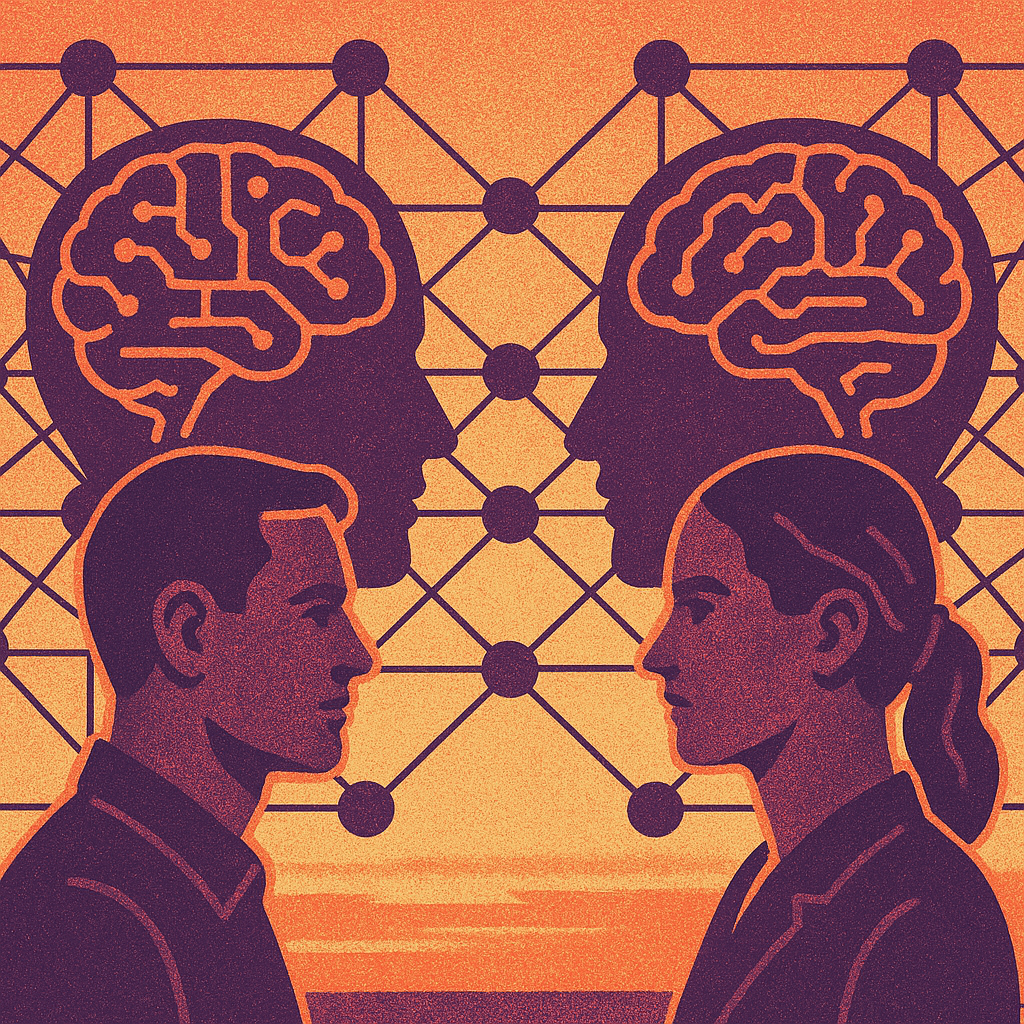
Head-to-Head: Comparing Neural Network Models and Their Impact on AI Work Today
June 16, 2026
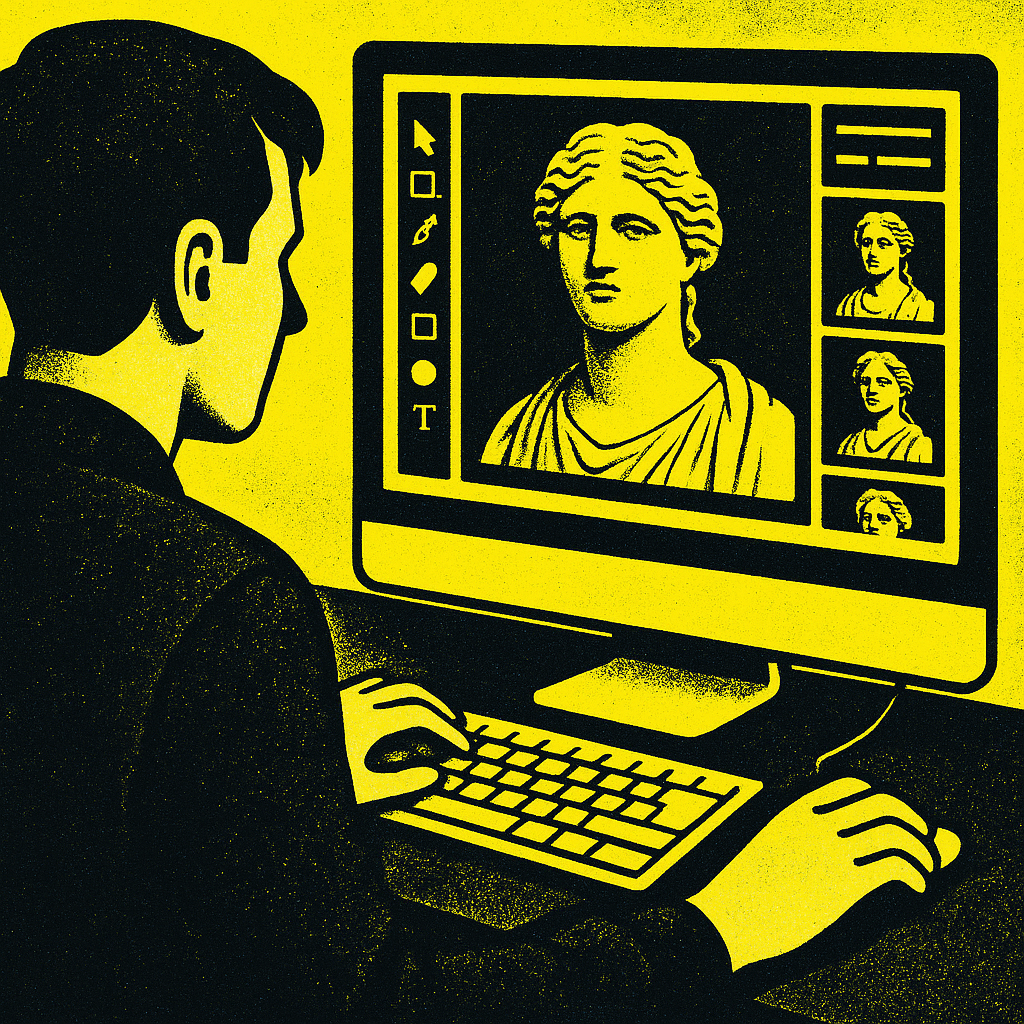
New Breakthrough in Image Generators Promises to Revolutionize Artistic Expressi...
June 16, 2026
Maximum Potential
Get the full experience with Pro Plan
INFORMATION