April 14, 2026
Unlocking Creativity: How Image Generators Are Transforming Digital Art in 2023
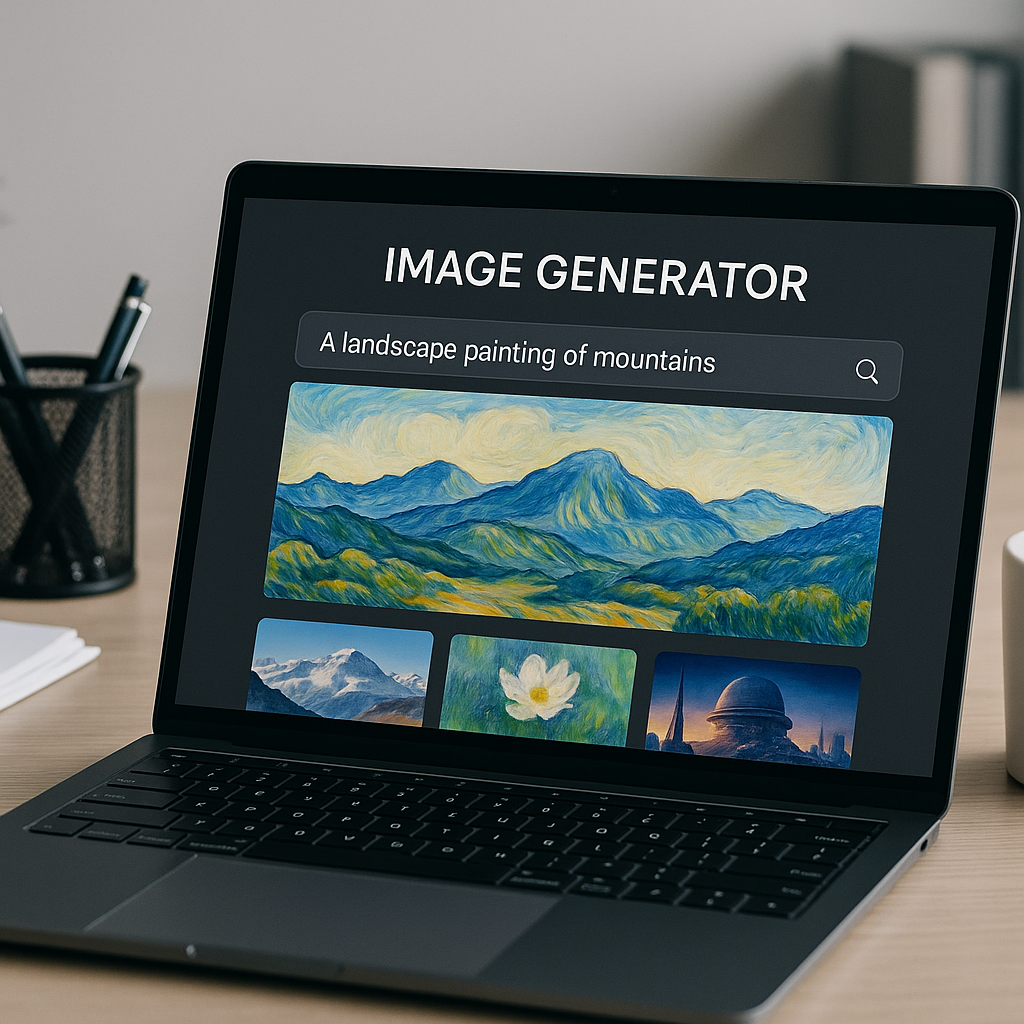
Image Generators
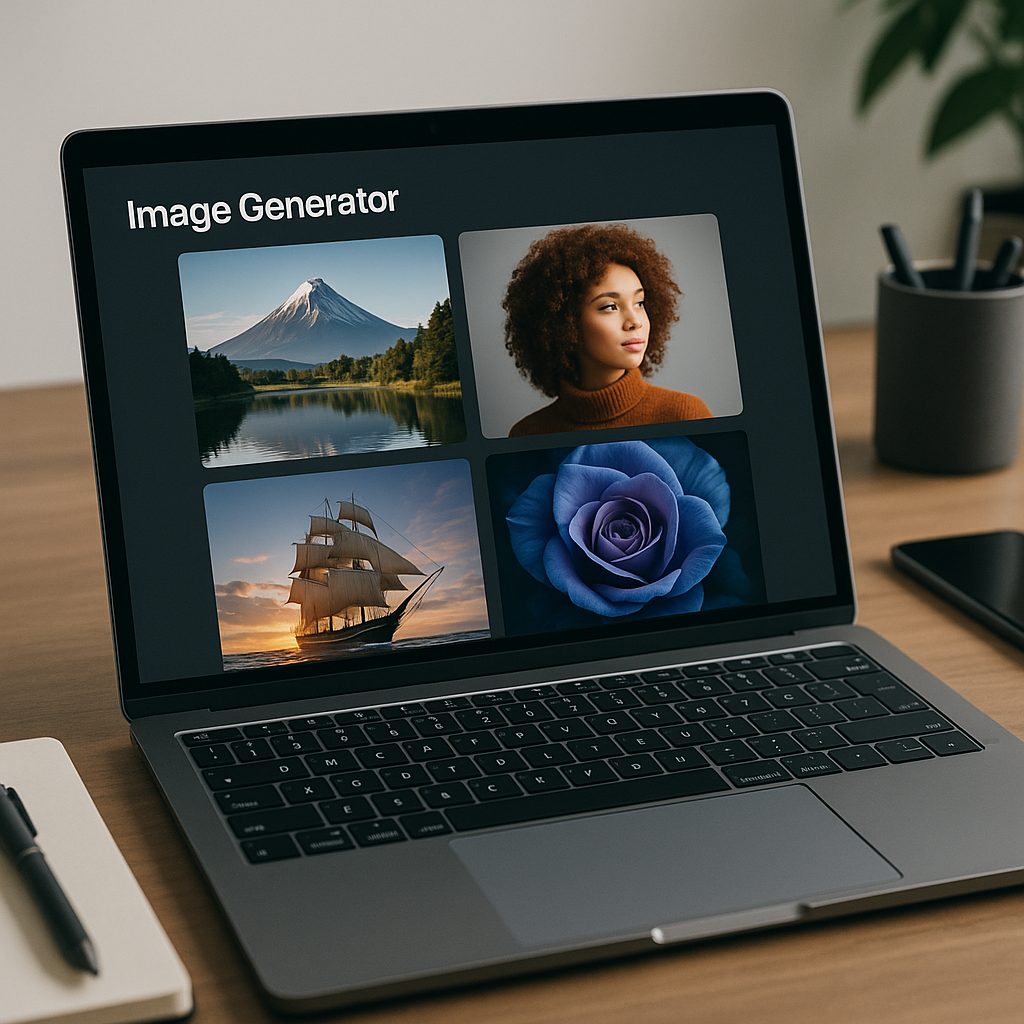
The rapid evolution of artificial intelligence has ushered in a new era of creativity and innovation, particularly through the emergence of image generators. These sophisticated tools leverage advanced algorithms, including deep learning and neural networks, to create visually stunning images from textual descriptions or existing images. As the technology continues to advance, it is reshaping various industries, from art and design to marketing and entertainment.
Image generators, such as OpenAI's DALL-E, Midjourney, and Stability AI's Stable Diffusion, have gained significant attention in recent years. These platforms allow users to input descriptive phrases and generate images that match the given context. For instance, a user might type "a futuristic cityscape at sunset," and the generator will produce a unique visual interpretation of that scene. This capability is not just a novelty; it represents a fundamental shift in how images can be created, consumed, and utilized across various sectors.
At the core of these image generators is a method known as Generative Adversarial Networks (GANs), which consists of two neural networks—the generator and the discriminator—competing against each other. The generator creates images, while the discriminator evaluates them, providing feedback that helps improve the generator's output. This iterative process leads to increasingly realistic and creative images. As these algorithms are trained on vast datasets of existing images, they learn to understand patterns, styles, and the intricacies of visual composition, allowing for the creation of images that can be both imaginative and grounded in reality.
The impact of image generators extends far beyond mere artistic exploration. In the marketing and advertising industries, companies are beginning to utilize these tools to streamline their creative processes. Designers can generate multiple variations of an advertisement or product image in a fraction of the time it would take to create them manually. This efficiency not only saves time and resources but also allows for greater experimentation with visual concepts, ultimately leading to more engaging campaigns.
Moreover, image generators are democratizing art and design. Individuals without formal training in graphic design can create high-quality images simply by describing their vision in words. This accessibility empowers budding artists and creators, enabling them to express their ideas without the traditional barriers that often accompany artistic endeavors. Platforms that include user-friendly interfaces and community features foster collaboration and inspire creativity, making it easier for people to explore their artistic aspirations.
In the realm of entertainment, image generators are being explored for their potential to create content for video games, films, and virtual reality experiences. Game developers can generate unique landscapes, characters, and assets on-demand, significantly reducing the time spent on asset creation. This not only enhances the player experience by providing diverse and immersive environments but also allows smaller development teams to compete in a market dominated by larger studios.
Despite the remarkable advancements in image generation, the technology is not without its challenges and controversies. One of the primary concerns is the ethical implications of using AI-generated images. Issues surrounding copyright and ownership are particularly pertinent as creators grapple with the question of who holds the rights to an image produced by an algorithm. Additionally, there is the potential for misuse, such as creating misleading or harmful content, including deepfakes or other forms of manipulated imagery.
Another critical discussion revolves around the potential impact on traditional artists and designers. As image generators become increasingly capable, some fear that they may threaten the livelihoods of artists whose skills and creativity are being replicated by machines. While it is true that AI can generate images quickly, many artists argue that the value of human creativity lies in the emotional depth, personal experiences, and cultural contexts that machines cannot replicate. As such, there is an ongoing dialogue about finding a balance between embracing technological innovation and preserving the integrity of human artistry.
In response to these challenges, industry leaders are advocating for the establishment of ethical guidelines and best practices for the use of AI-generated content. This includes transparency in disclosing when an image has been created by an algorithm and developing frameworks for fair compensation for artists and contributors whose work informs these models. Ongoing discussions about the societal implications of AI technology are crucial in shaping a future where creativity and technology can coexist harmoniously.
As we move closer to an increasingly AI-driven world, the potential applications for image generators are vast and varied. From enhancing personal creativity to revolutionizing industries, the technology holds promise for transforming how we create and interact with visual content. The future of image generation is not just about efficiency or novelty; it is about reimagining the very nature of creativity itself.
In conclusion, image generators are at the forefront of a technological revolution that is changing the landscape of art, design, and communication. As these tools continue to evolve, they will undoubtedly challenge our perceptions of creativity, ownership, and the role of technology in artistic expression. The dialogue surrounding these developments is essential as we navigate the complexities of this new frontier, ensuring that the integration of AI into creative processes enhances rather than diminishes the human experience.
Recent Posts
Unleashing Creativity: How Image Generators Are Transforming Art and Design
January 20, 2026
Unlocking Creativity: How Image Generators Are Transforming Art and Design
January 27, 2026
Unlock Your Creativity: How Image Generators Are Transforming Digital Artistry
January 21, 2026
Maximum Potential
Get the full experience with Pro Plan
INFORMATION