April 22, 2026
Unlocking Creativity: How Image Generators are Transforming Visual Content Creation
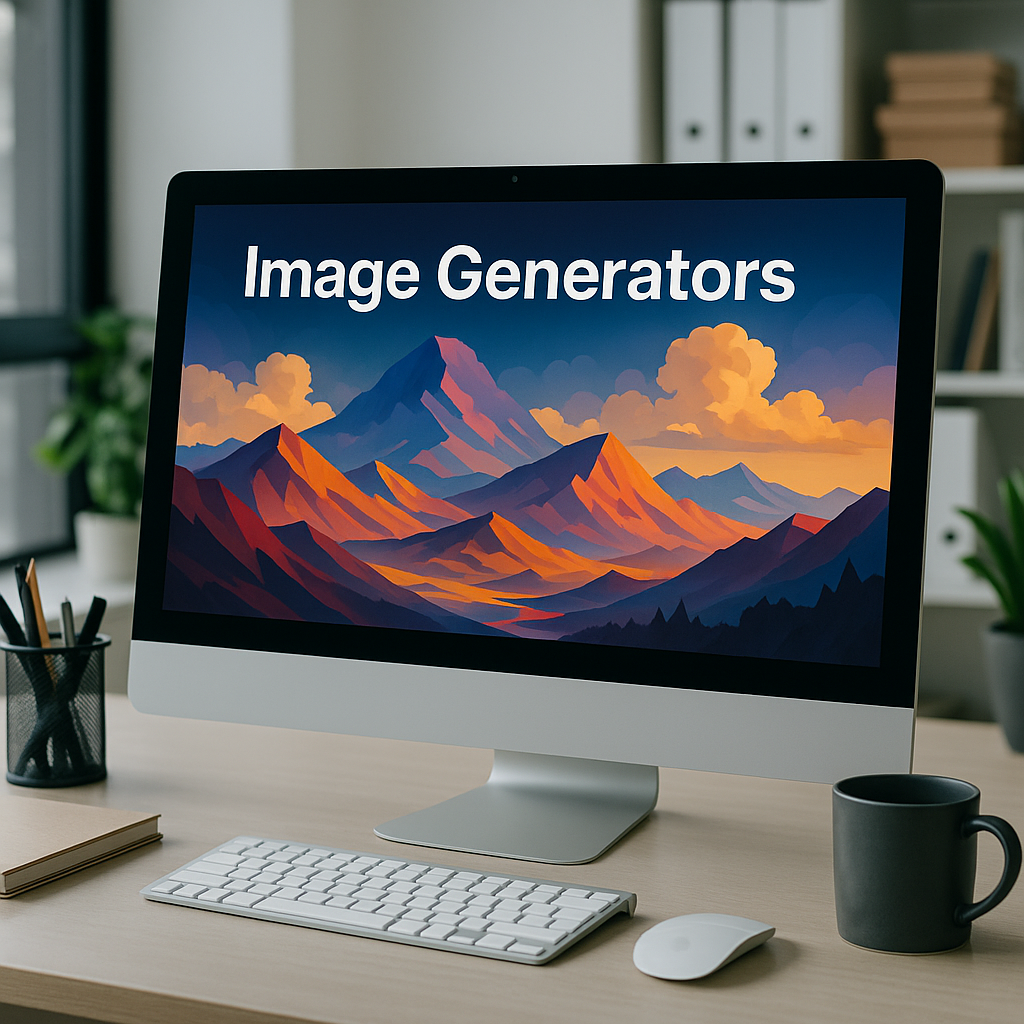
Image Generators
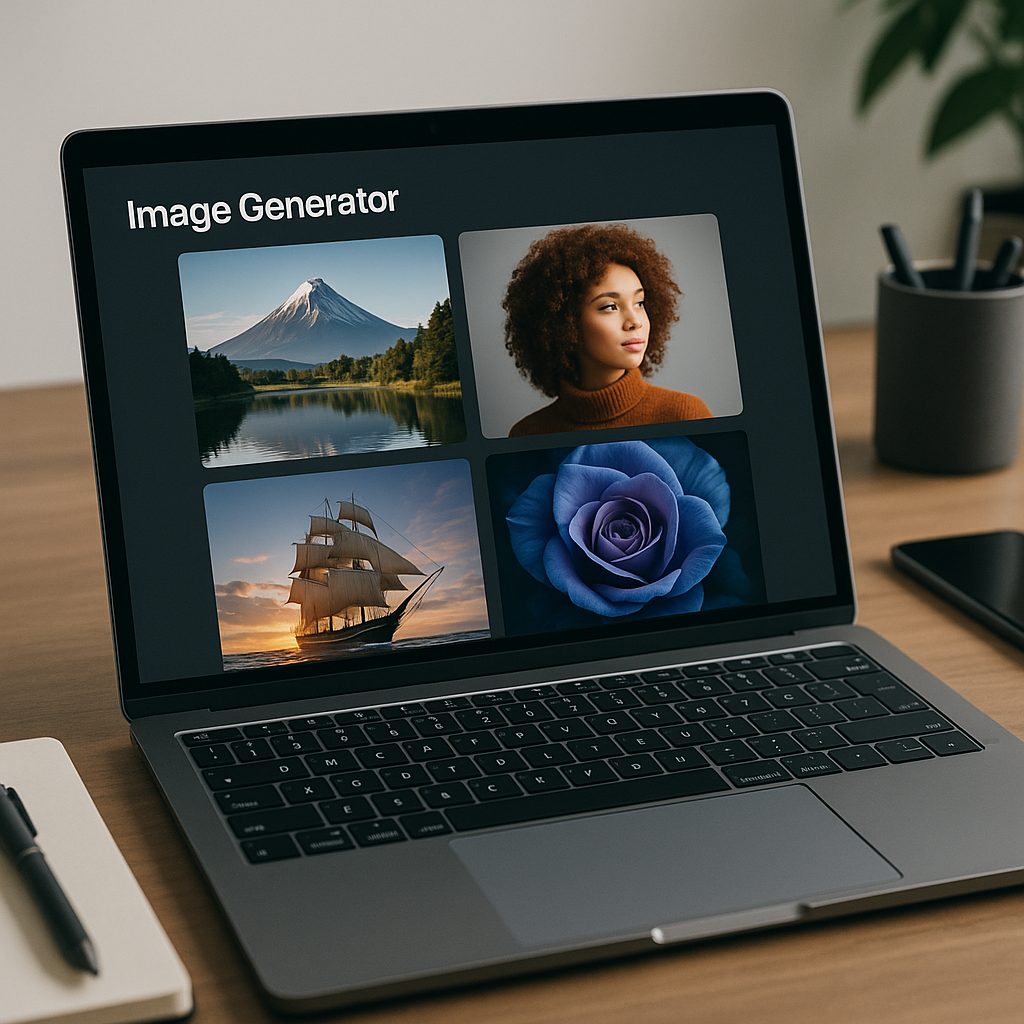
The digital landscape is undergoing a remarkable transformation, driven by advancements in artificial intelligence (AI) and machine learning. Among the most exciting developments in this sphere are image generators, sophisticated tools that create visual content from textual descriptions. These generators have rapidly gained popularity across various industries, including marketing, entertainment, and art, enabling users to produce high-quality images with minimal effort.
Image generators utilize deep learning algorithms to analyze massive datasets of images and their corresponding textual descriptions. By understanding the relationships between words and visual elements, these systems can generate images that reflect the nuances of the input text. One of the most well-known examples is OpenAI's DALL-E, which has captured widespread attention for its ability to produce imaginative and often surreal images based on user prompts. Similarly, Google's Imagen and Stability AI's Midjourney are also notable players in this field, each introducing unique features and artistic styles.
The underlying technology of image generators is primarily based on generative adversarial networks (GANs) and transformer models. GANs consist of two neural networks—the generator and the discriminator—that work in tandem. The generator creates images, while the discriminator evaluates them against real images, providing feedback that helps the generator improve over time. This iterative process results in increasingly realistic and coherent images. On the other hand, transformer models, which have revolutionized natural language processing, allow for more nuanced understanding and generation of images based on text prompts.
The applications of image generators are vast and varied. In marketing, businesses can create tailored visual content for advertisements, social media posts, and product packaging, reducing costs associated with hiring professional photographers and graphic designers. For instance, a small startup can quickly generate eye-catching promotional materials without breaking the bank or waiting for lengthy design processes.
In the realm of entertainment, filmmakers and game developers are leveraging image generators to visualize concepts and characters, allowing for quicker iterations and enhanced creativity. Instead of relying solely on traditional art forms, creators can experiment with different styles and ideas, leading to innovative outcomes that might not have been possible otherwise. This democratization of visual content creation has empowered artists and creators at all levels, from amateurs to seasoned professionals.
Moreover, the art world is experiencing a renaissance of sorts due to image generators. Artists are using these tools not only as a means to produce artwork but also as a source of inspiration. The ability to generate unique visuals can lead to new artistic styles and movements, blurring the lines between human and machine creativity. Some artists are even incorporating AI-generated images into their portfolios, leading to discussions about the nature of authorship and originality in art.
However, the rise of image generators is not without its challenges and controversies. One of the primary concerns is the potential for misuse. As these tools become more accessible, there is a risk of generating misleading or harmful images, such as deepfakes or fake news content. The ability to create hyper-realistic images can be exploited for malicious purposes, raising ethical questions about accountability and the integrity of visual information.
Additionally, the question of copyright and ownership is at the forefront of discussions surrounding AI-generated images. Traditional copyright laws were not designed with AI in mind, leading to ambiguity about who owns the rights to an image created by a machine. Artists and creators may find themselves in complex legal situations when using AI-generated content, prompting calls for updated regulations that address these new challenges.
To counteract some of these issues, companies developing image generators are implementing safeguards and ethical guidelines. For instance, OpenAI has introduced measures to prevent the generation of violent or adult content, while also working on watermarking technologies to help identify AI-generated images. These initiatives aim to ensure that the technology is used responsibly and that creators are aware of the implications of their work.
Despite these challenges, the future of image generators appears bright. As technology continues to advance, we can expect to see even more sophisticated tools that offer greater control and customization for users. Innovations in user interfaces will likely make it easier for individuals without technical expertise to harness the power of these generators, further democratizing access to visual content creation.
Moreover, as AI continues to evolve, image generators may incorporate augmented reality (AR) and virtual reality (VR) features, allowing users to not only create images but also interact with them in immersive environments. This integration could revolutionize fields such as education, training, and design, providing new ways to visualize complex concepts and engage audiences.
In conclusion, image generators represent a significant leap forward in the way we create and consume visual content. Their ability to generate high-quality images from textual descriptions is transforming industries and empowering creators worldwide. While challenges such as ethical concerns and copyright issues remain, the ongoing dialogue surrounding these topics will shape the future of AI in art and beyond. As we continue to explore the potential of image generators, one thing is clear: they are not just tools; they are catalysts for creativity and innovation in the digital age.
Recent Posts
Unleashing Creativity: How Image Generators Are Transforming Art and Design
January 20, 2026
Unlocking Creativity: How Image Generators Are Transforming Art and Design
January 27, 2026
Unlock Your Creativity: How Image Generators Are Transforming Digital Artistry
January 21, 2026
Maximum Potential
Get the full experience with Pro Plan
INFORMATION